
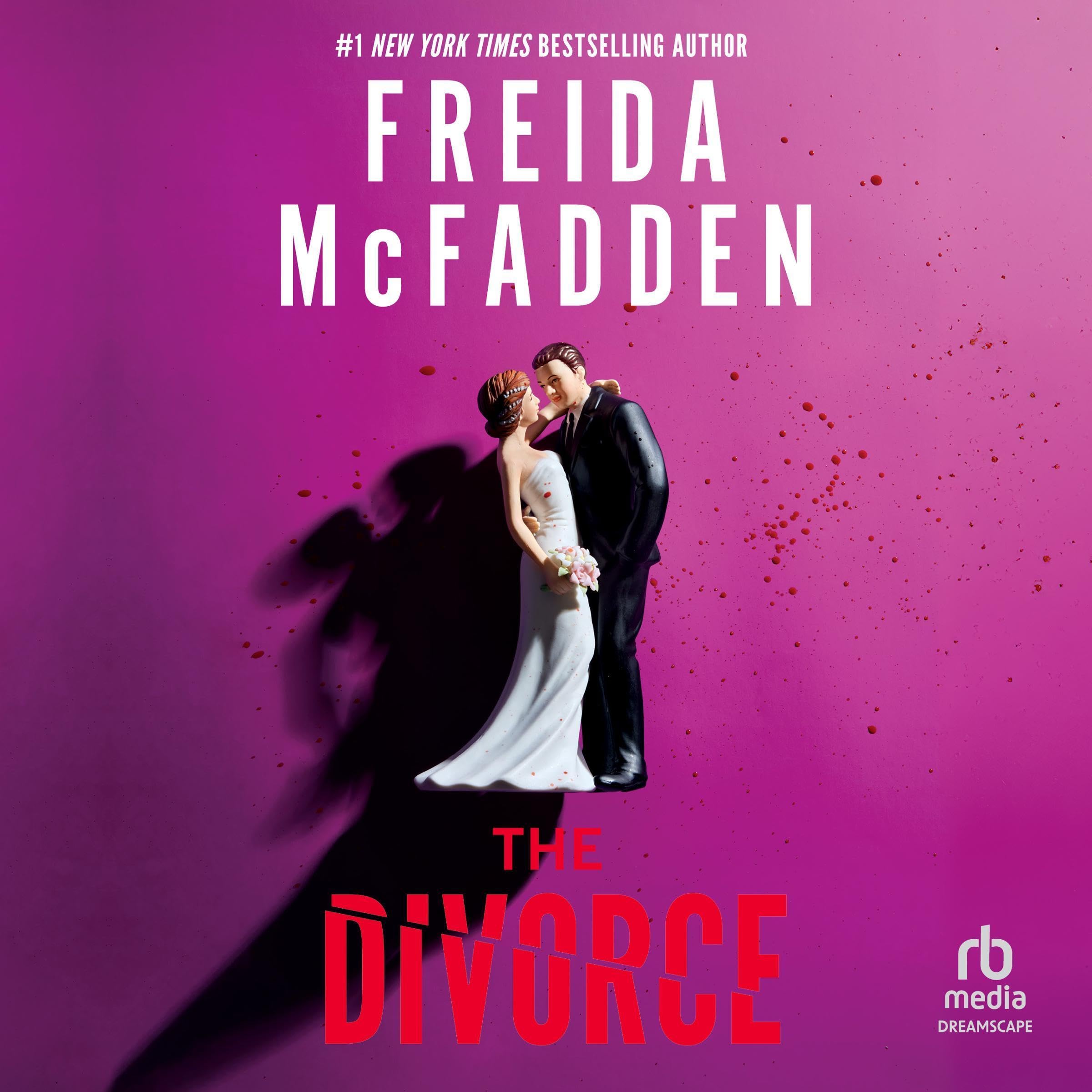
The Divorce is a guided journal designed to help individuals work through the emotional and practical aftermath of a separation. Unlike a self-help book that tells you what to think, this journal asks you to write, reflect, and organize your thoughts at your own pace. It’s a tool for processing, not a roadmap to instant healing.
In real-world use, this journal tends to sit on a nightstand or kitchen table, pulled out during moments of quiet—often late at night or early in the morning. Users typically write in it sporadically, not daily, because grief and anger don’t follow a schedule. The prompts cover everything from anger and sadness to logistics like co-parenting or dividing assets. The paper quality is decent, and the binding lays flat, which matters when you’re trying to write without wrestling with the spine.
Key functional features include structured prompts that guide reflection without being overly prescriptive. There are sections for listing what you’ve lost, what you’ve learned, and what you want going forward. The journal also includes blank pages for free writing, which many users find essential because emotions rarely fit into neat boxes. The design is deliberately minimal—no inspirational quotes or floral patterns—which some people appreciate as it doesn’t trivialize the pain.
However, there are limitations. The Divorce is not a substitute for therapy or legal advice, and it doesn’t claim to be. Some users find the prompts too generic, especially if their situation involves abuse or complex trauma. The journal assumes a relatively amicable or at least non-violent separation, which isn’t reality for everyone. Additionally, the focus on writing can feel burdensome for people who aren’t naturally expressive on paper. If you’re someone who processes better through talking or physical activity, this journal might feel like homework rather than relief.
Compared to other resources, The Divorce sits somewhere between a standard gratitude journal and a workbook like The Divorce Recovery Workbook. The workbook is more structured and action-oriented, with exercises and checklists, while this journal is more open-ended and reflective. For someone who needs concrete steps—like a budget template or a co-parenting schedule—the workbook may be more practical. But for those who need a space to vent, remember, and slowly make sense of their feelings, the journal offers more freedom.
Who is this for? It’s suitable for people who are ready to start processing their separation in a private, low-pressure way. It works best for those who have already done some initial emotional triage—like reaching out to a therapist or trusted friend—and need a consistent outlet. It’s less suitable for people in the acute crisis phase, where professional help is more urgent, or for those who find writing triggering or frustrating. It also assumes a certain level of literacy and comfort with introspection, which may not fit everyone’s style.
Ultimately, The Divorce is a thoughtful, quiet tool for a difficult time. It won’t make the pain go away, and it doesn’t try to. What it does is offer a container for the chaos—a place to put thoughts that might otherwise loop endlessly. For the right person, at the right stage of their journey, that can be genuinely useful. Just don’t expect it to fix anything on its own.