
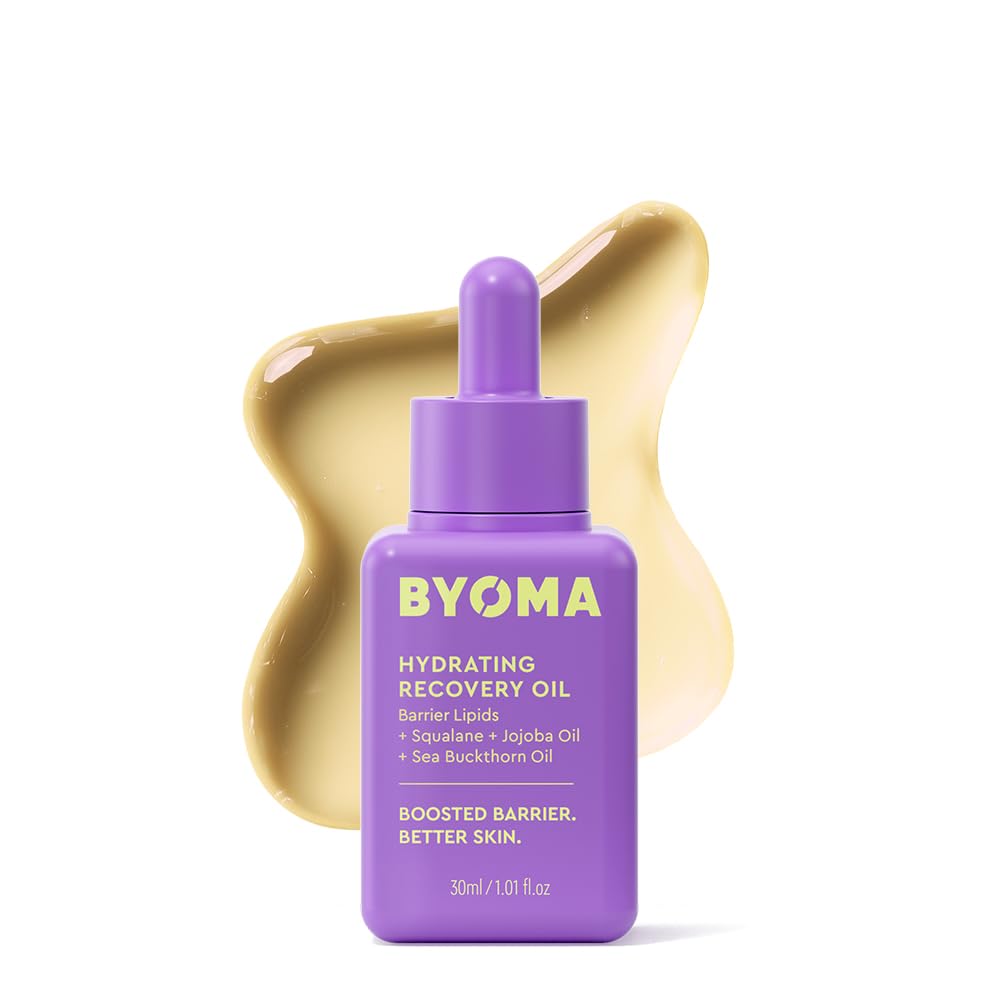
Facial oils occupy a strange space in skincare. They can be luxurious, but they can also be heavy, pore-clogging, and unnecessary for many routines. BYOMA’s Hydrating Recovery Oil enters this category with a clear pitch: ultra-lightweight and non-greasy, designed to hydrate without weighing skin down. After spending several weeks testing it in a variety of conditions, here’s a grounded look at what it does, where it falls short, and who might benefit.
What it is and how it fits into a routine
The product is a 30ml facial oil that claims to be ultra-lightweight and non-greasy. It’s intended to hydrate and support the skin barrier, likely through a blend of emollients and possibly ceramides or similar ingredients (the brand emphasizes barrier care). In practice, it’s used as a final step in a skincare routine—after serums and moisturizers—to seal in hydration, or mixed into a moisturizer for an extra boost. Some might also use it as a standalone moisturizer for oily skin, though that’s a stretch given its lack of water-based humectants. The oil comes in a typical dropper bottle, which allows for controlled dispensing, though the glass packaging makes it less travel-friendly than plastic alternatives.
Real-world performance
During testing, the oil lived up to its lightweight claim. It spread easily and absorbed within a minute or two, leaving a slight sheen that faded after about five minutes. It didn’t feel greasy or heavy, even on combination skin. For those with dry skin, it provided a noticeable boost in hydration when layered over a moisturizer, and it helped reduce flakiness around the nose and mouth during colder weather. However, it’s not a miracle worker—if skin is severely dehydrated, this oil alone won’t fix it; it’s more of a supportive step than a treatment.
One thing to note: the oil has a faint, natural scent that some may find off-putting. It’s not fragranced, but the raw ingredients come through. If you’re sensitive to smells, this could be a drawback. Also, while it’s non-comedogenic in theory, those with very acne-prone skin should patch test first, as oils can still trigger breakouts in some individuals.
Where it falls short
The biggest limitation is its versatility. It’s not a replacement for a moisturizer, and it won’t provide enough hydration for very dry skin on its own. It’s also not a treatment product—it doesn’t contain retinol, vitamin C, or other actives, so don’t expect anti-aging or brightening benefits. Additionally, the 30ml size is standard, but given that you only need a few drops per use, it should last a few months. However, the glass bottle isn’t ideal for travel, and the dropper can get messy over time.
How it compares
Compared to a traditional facial oil like rosehip or argan oil, BYOMA’s offering is significantly lighter and less occlusive. Those oils can be heavy and may sit on the skin, while this one sinks in quickly. On the other hand, it’s not as reparative as a dedicated barrier oil with ceramides (e.g., Dr. Jart+ Ceramidin Oil Balm). If you’re looking for a simple, lightweight oil to add to your routine, this is a solid choice. But if you need serious barrier repair or have very dry skin, a richer cream or balm might be more effective.
Who it’s for—and who it’s not
This oil is best suited for normal to combination skin types looking for a lightweight hydration boost, especially those who find traditional oils too heavy. It’s also a good option for men or anyone new to facial oils, as it’s easy to use and doesn’t feel greasy. However, it’s not ideal for very dry skin (unless layered with a moisturizer), acne-prone skin (patch test first), or anyone expecting active ingredients. If you’re on a tight budget, there are cheaper oils that do a similar job, but BYOMA’s formulation is more elegant.
Overall, the BYOMA Hydrating Recovery Oil is a decent, no-frills facial oil that delivers on its lightweight promise. It’s not a game-changer, but it’s a reliable addition to a hydration-focused routine. Just keep your expectations in check—it’s a supporting player, not the star.