
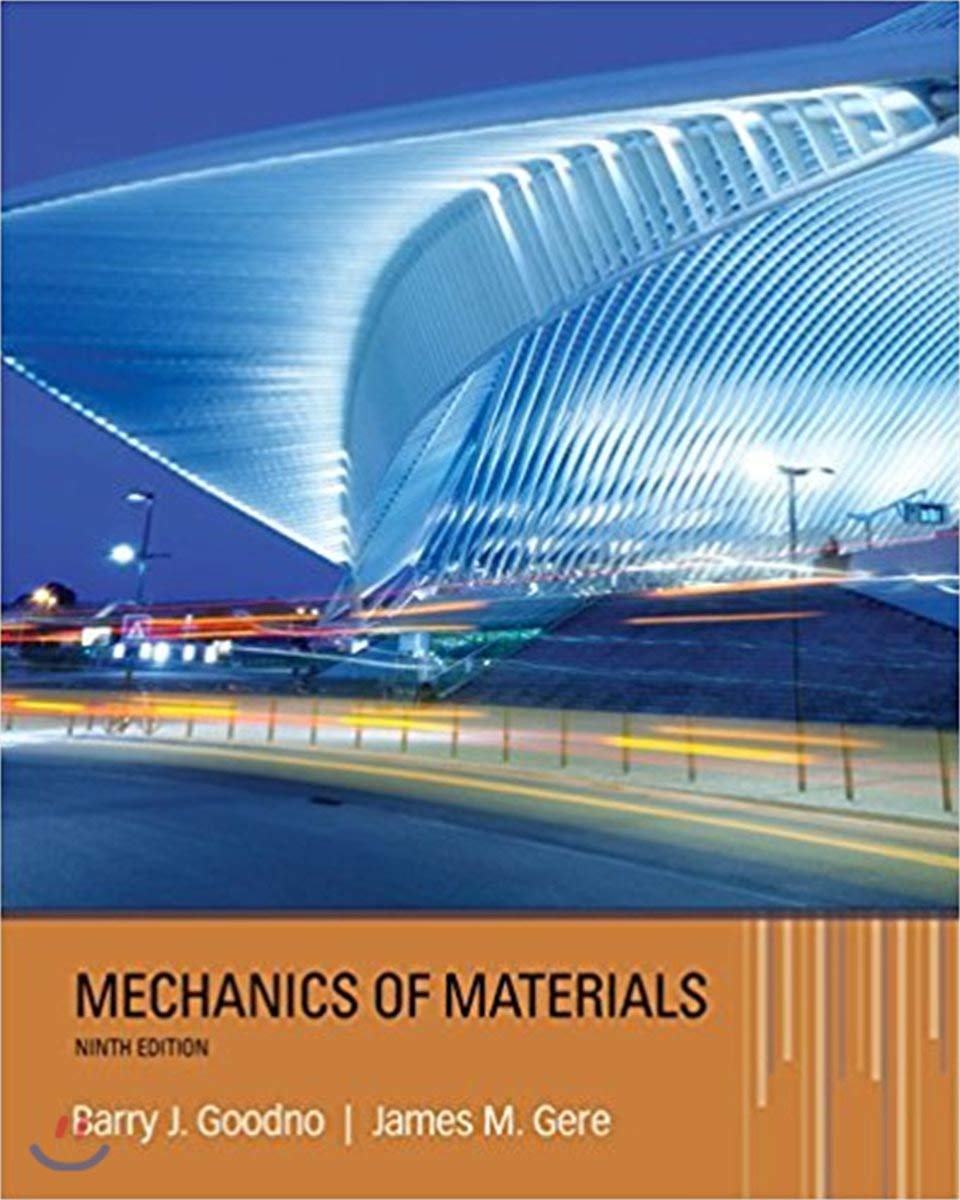
Mechanics of Materials is a standard textbook in undergraduate engineering programs, and the MindTap edition bundles the print or digital text with Cengage’s digital learning platform. It is aimed squarely at students enrolled in a first course on stress, strain, and deformation, typically taken in the second or third year of mechanical, civil, or aerospace engineering. The book is not a lightweight supplement or a quick-reference guide; it is a full course text that assumes prior exposure to statics and calculus.
In practice, students use this book alongside lectures and problem sets. The chapter sequence moves from basic concepts of stress and strain through axial loading, torsion, bending, transverse shear, combined loadings, stress transformations, beam deflection, column buckling, and energy methods. That structure mirrors the typical syllabus, so the text functions as the primary reading source rather than a secondary aid. The MindTap component adds digital homework, readings, and multimedia resources that instructors can assign directly, which is the main reason some courses require this specific package.
Functionally, the book’s strengths lie in its worked examples and problem sets. Each chapter includes a substantial number of problems, many keyed to real structural and machine elements, and the examples walk through solution methods step by step. The MindTap platform provides algorithmic problems that change values for each attempt, which can reduce answer-sharing but also means students cannot simply memorize numerical results. The digital edition supports highlighting, search, and access across devices, and the platform includes tutorials and feedback for certain problem types.
That said, the MindTap requirement is also one of the product’s main drawbacks. Access codes are typically sold separately or bundled at a premium, and they expire. Students who buy a used print copy often discover they still need to purchase platform access to complete required assignments. The digital platform itself can feel cluttered, and its usefulness depends heavily on how an instructor configures it. Some students find the algorithmic homework helpful for practice; others find the interface and the cost hard to justify when the textbook content alone would suffice for self-study.
The text is also dense. Explanations are thorough but not always conversational, and the derivations assume comfort with calculus and statics. Students who need more intuitive, visually oriented explanations may find themselves supplementing with videos or a lighter review text. The problem sets are demanding, which is appropriate for engineering coursework but can be frustrating for readers working without instructor support. A few topics, such as stress concentrations and failure criteria, are covered adequately but not exhaustively; readers needing deeper treatment will want additional references.
Compared with alternative mechanics of materials texts, such as Hibbeler’s or Beer and Johnston’s, this book sits in the same general tier of rigor and coverage. The differentiator is the MindTap integration rather than the prose itself. Hibbeler is often praised for clearer diagrams and a more accessible writing style, while this text is sometimes seen as slightly more formal in its derivations. Students choosing on their own should compare syllabi and instructor requirements first, because the platform requirement usually decides the purchase more than the book’s content does.
This product suits students in a required mechanics of materials course where the instructor assigns MindTap homework, and it works reasonably well for independent learners who want a rigorous problem-heavy reference. It is less suitable for casual readers, for students who already own a comparable text, or for anyone who only needs a quick refresher and would rather avoid platform costs and expiration issues. The realistic expectation is a solid, demanding course text with a digital layer that adds convenience and cost in roughly equal measure.