
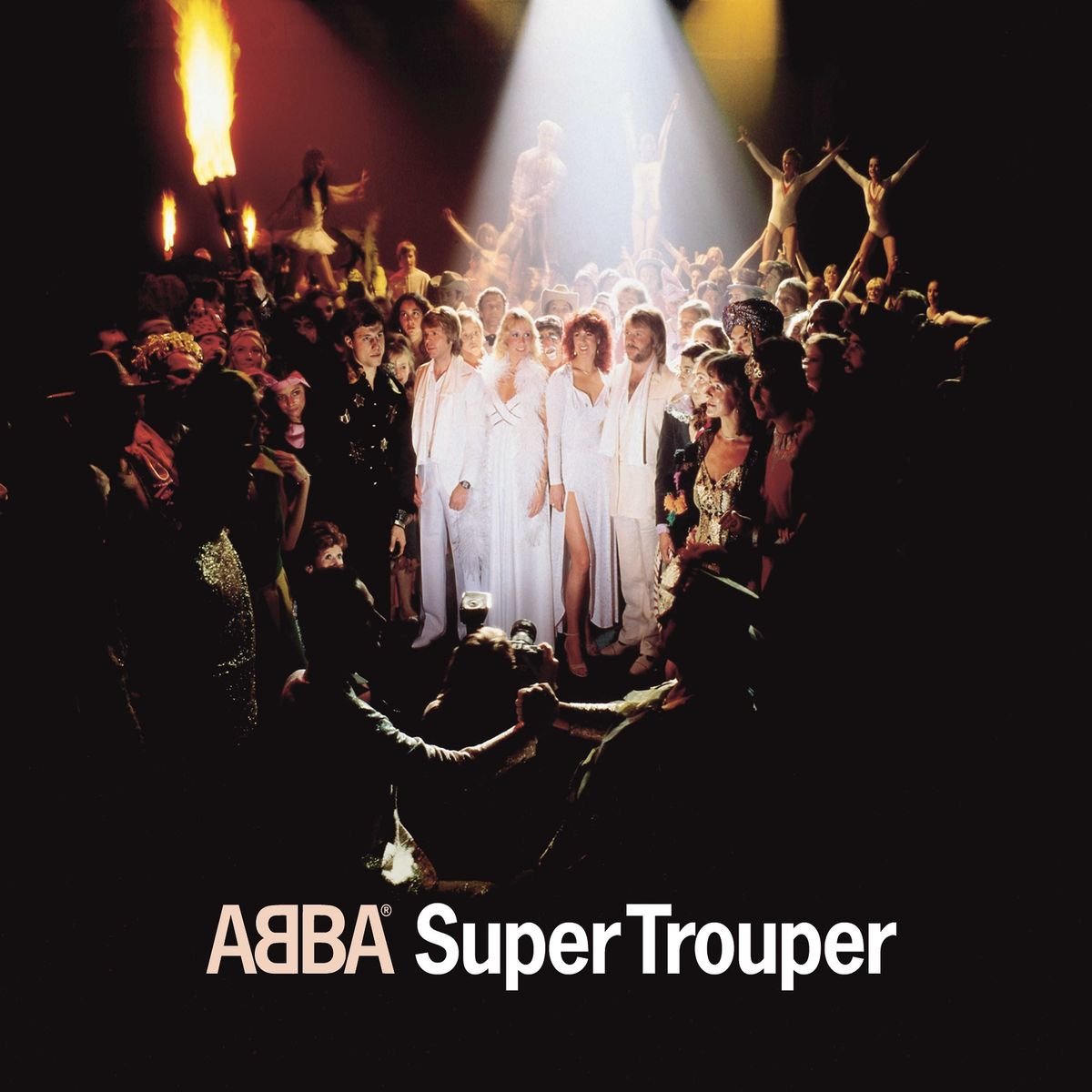
Super Trouper is a name that carries a lot of history in stage lighting. The original follow spot became shorthand for a certain kind of big-venue spectacle, and the product line has since been adapted for a range of live performance contexts. This review looks at the current Super Trouper as a practical lighting fixture rather than a piece of nostalgia, focusing on how it performs in the venues where most working technicians actually operate.
The first thing to understand is that Super Trouper is not a general-purpose stage light. It is a follow spot, and follow spots occupy a specific niche. They are manual, operator-driven instruments used to track performers during key moments: a soloist walking downstage, a lead actor during a curtain call, a musician taking a spotlight ride through the audience. In small and mid-size venues, a follow spot often replaces more elaborate automated rigs because it is cheaper, simpler, and does not require a lighting console operator to program cues. The Super Trouper fits that role well, though with some caveats.
In real-world use, the fixture is typically mounted at the back of a house or on a riser, operated by a technician who manually pans and tilts to follow the performer. The operator controls beam size, intensity, and sometimes color via boomerang or gel frames, depending on the model. This manual operation is both the appeal and the limitation. A skilled operator can make a follow spot feel invisible, keeping the performer lit without drawing attention to the beam. An inexperienced operator can make the same fixture feel intrusive, with visible beam edges and jittery movement. The Super Trouper does not correct for operator error, which is worth knowing before buying.
Functionally, the fixture offers a few things that matter in practice. The optical train is designed for a relatively flat field, meaning the beam stays even across its diameter rather than hot-spotting in the center. That matters when lighting faces, because a hot center makes skin tones look blown out while the edges fall off. The beam angle is adjustable within a range, and the iris mechanism is smooth enough for gradual tightening during a musical number. Lamp options vary by model, but the general expectation is a bright, warm output that cuts through ambient stage wash. It is not a subtle instrument, and it is not meant to be.
One trade-off is weight and mounting. Super Trouper fixtures are not lightweight, and they require a sturdy stand or truss position. In venues with low ceilings or limited back-of-house space, mounting can be awkward. The fixture also generates significant heat, which is normal for this class of light but worth planning for in small rooms with poor ventilation. Operators should expect to manage cable runs and possibly a separate power circuit, depending on the lamp.
Compared to automated moving-head spots, the Super Trouper is a different category of tool. Moving heads offer programmability, color mixing, and gobo effects without a dedicated operator, but they cost more, require console time, and can feel impersonal in intimate settings. A follow spot like the Super Trouper keeps a human in the loop, which is often the right call for theater, dance, and live music where the performer’s movement is unpredictable. The trade-off is labor: someone has to run it.
Who is it for? Primarily small to mid-size venues, schools, community theaters, churches, and touring productions that need a reliable manual follow spot without investing in a full automated rig. It suits technicians who are comfortable operating manually and who value a warm, even beam over programmable effects. Who is it not for? Large-scale productions that need multiple synchronized moving lights, venues with no dedicated operator position, and anyone expecting plug-and-play automation. It is also not the right choice for subtle architectural or ambient lighting, where a softer, more diffuse fixture would serve better.
Overall, the Super Trouper is a specialized instrument that does one job and does it with a certain old-school reliability. It rewards operator skill and punishes neglect. For the right venue and the right crew, it remains a sensible choice. For everyone else, it is worth considering whether a moving head or a simpler fixed spot would be a better fit before committing.