
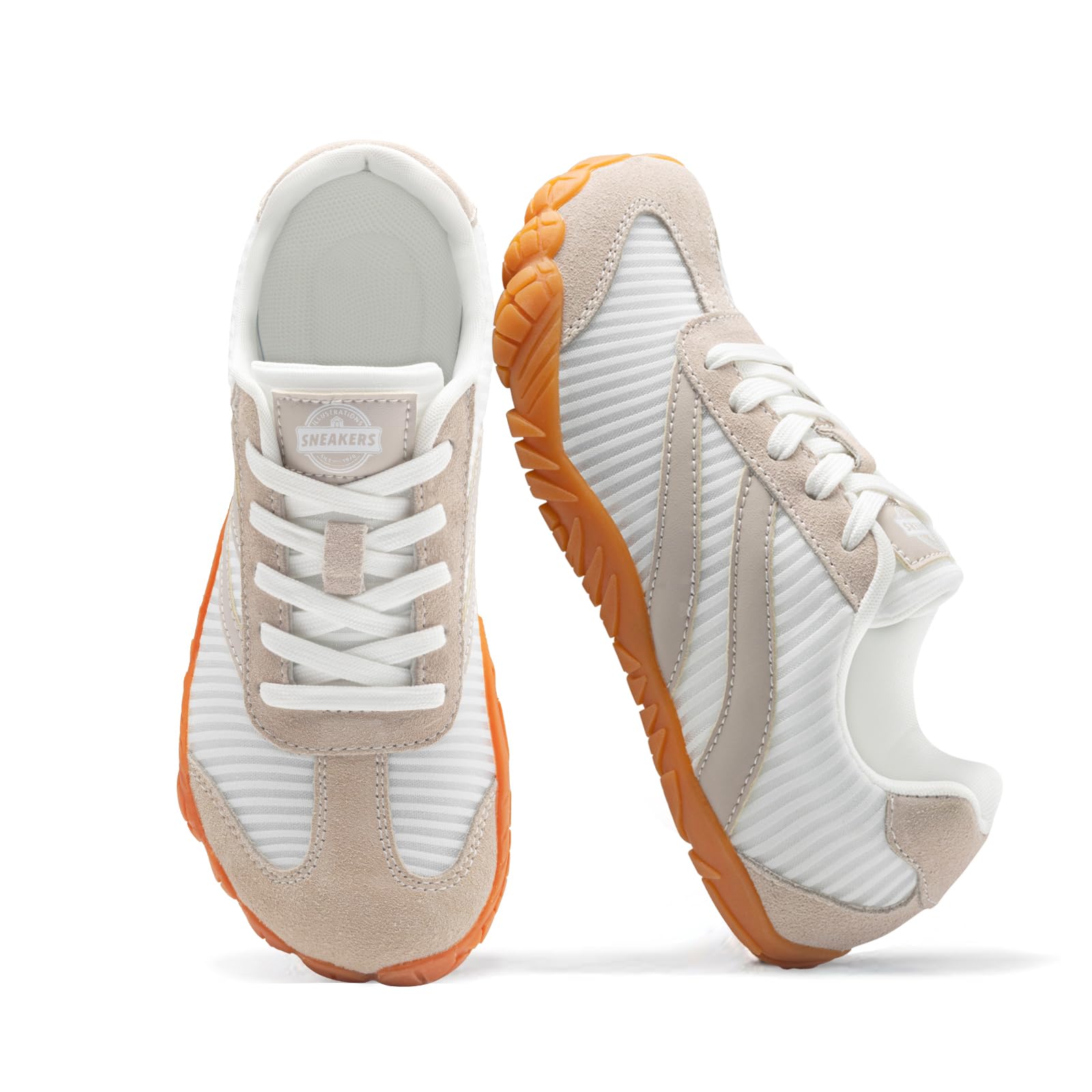
There’s a quiet shift happening in the footwear aisle. More women are swapping their cushioned, narrow-toed sneakers for something that feels a bit more… natural. These barefoot-style casual sneakers, with their wide toe box and zero-drop sole, are part of that movement. They promise a closer-to-the-ground feel and room for your toes to spread out, but they also ask you to change the way you walk. After spending a few weeks wearing them in everyday settings—errands, short walks, and even a full day at a museum—I have a clearer picture of what they do well and where they might not fit everyone.
First, the fit. The wide toe box is the headline feature, and it’s genuinely noticeable. My toes can splay naturally, which is a relief if you’ve ever felt cramped in standard sneakers. The zero-drop sole (meaning the heel and forefoot are at the same height) took some getting used to. If you’re coming from a shoe with a raised heel, even a small one, your calf muscles will feel it for the first few days. That’s not a flaw—it’s a feature of the design—but it’s worth knowing before you buy. The sole itself is thin and flexible, which gives you good ground feedback, but it also means you’ll feel pebbles and uneven pavement more than you would in a traditional running shoe.
In terms of construction, these sneakers are simple and functional. The upper is a soft, breathable knit material that wraps around the foot without squeezing. There are no stiff overlays or rigid heel counters, which helps the shoe move with you rather than against you. The outsole has a modest tread pattern—nothing aggressive, but enough for dry pavement and light trails. I wouldn’t take them on a muddy hike, but for a walk in the park or a casual day out, they’re perfectly adequate. The insole is removable, which is a plus if you want to use your own orthotics or go completely barefoot inside.
One thing that stood out during testing was how they performed over a long day. I wore them for about eight hours of mostly walking and standing. My feet didn’t feel tired in the usual way—there was no arch fatigue or heel pain. Instead, the fatigue shifted to my calves and the small muscles in my feet, which is exactly what a barefoot-style shoe is supposed to do. It’s a different kind of tired, and it does ease up as your body adapts. But if you’re not used to this style, don’t expect to run a marathon in them right away. Start with short wear sessions and build up gradually.
Compared to a typical pair of cushioned athletic sneakers, these are a trade-off. You lose the plush, cloud-like feel and the extra support that many people rely on. You gain a more natural foot position and better proprioception—the sense of where your foot is in space. That’s valuable for balance and foot strength, but it’s not for everyone. If you have plantar fasciitis or other foot conditions that require significant arch support, these probably aren’t your first choice. They’re better suited for people with healthy feet who want to maintain or improve foot function, or for those transitioning to minimalist footwear.
Style-wise, these sneakers are understated. The design is clean and neutral, with a low-profile silhouette that pairs well with jeans, leggings, or casual dresses. They don’t scream “barefoot shoe” like some models with individual toe pockets or overly chunky soles. That makes them easier to wear in social settings without drawing unwanted attention. The color options are limited, but the ones available are versatile. Sizing runs true to length, but because of the wide toe box, some may find they need to size down if they’re between sizes. I’d recommend trying them on with the socks you plan to wear.
There are a few limitations worth mentioning. The thin sole offers minimal protection from sharp objects—I stepped on a small piece of gravel and definitely felt it. Also, the knit upper, while breathable, isn’t waterproof. A light drizzle will soak through, so these are not ideal for wet climates. And while the zero-drop design is great for alignment, it can be a problem if you have a history of Achilles tendon issues. That’s a real trade-off that a lot of barefoot-style shoes share.
Who is this shoe for? If you’re curious about barefoot footwear, want to strengthen your feet, or just appreciate a wide toe box for comfort, this is a solid, affordable entry point. It’s also a good option for standing desks, yoga, or light travel. Who is it not for? People who need heavy cushioning or arch support, those with acute foot injuries, or anyone expecting a traditional sneaker feel. It’s a specific tool for a specific purpose, and it does that job well.
In the end, these sneakers are a thoughtful, no-frills option in the growing barefoot category. They’re not a miracle cure for foot pain, and they won’t replace your favorite running shoes. But if you’re looking to give your feet more room and a more natural walking experience, they’re worth a try. Just be patient with the transition and listen to your body.