
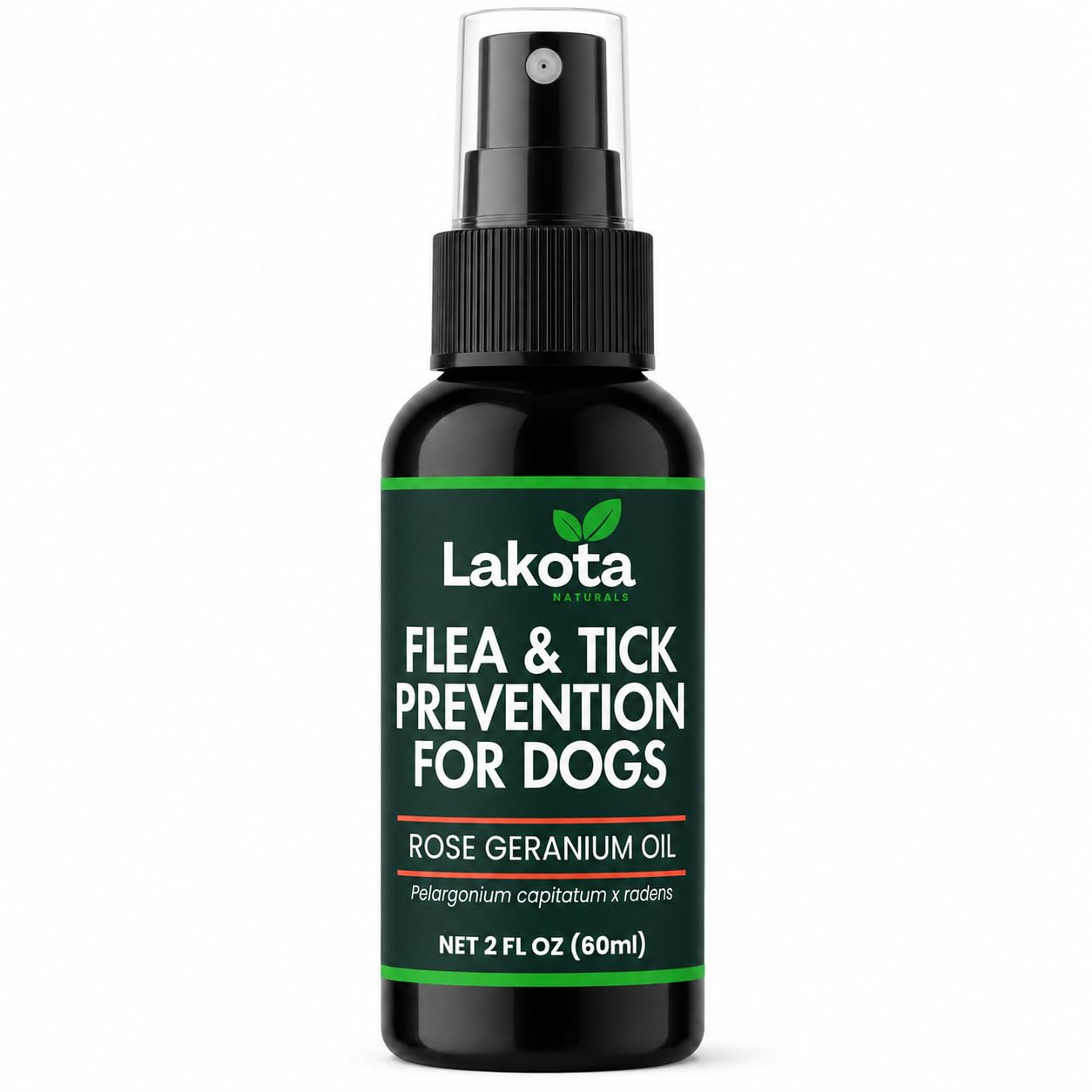
Flea and tick prevention is a crowded market, dominated by spot-on treatments and oral medications. So when a small 2oz spray bottle promising an ‘all natural’ approach lands on the shelf, it invites a certain amount of skepticism. This review looks at one such product, examining where it fits into a practical pet care routine and whether its claims hold up under real-world use.
The spray comes in a compact, unassuming bottle. The pump mechanism delivers a fine mist, which is useful for reaching the base of the fur where fleas and ticks tend to congregate. The scent is distinctly herbal—think citronella and cedar—which is pleasant enough for humans but might take a moment for your dog to get used to. Application is straightforward: you spray against the grain of the coat, focusing on the neck, back, and belly, and then work it in with your hands. For a medium-sized dog, the 2oz bottle covers maybe four to five full applications, so it’s more of a supplemental tool than a season-long solution.
The core functional feature is the blend of essential oils—typically including peppermint, clove, and lemongrass—which are known to repel insects. The spray works by creating an aromatic barrier that discourages pests from latching on. In practice, this works best as a preventive measure. If you apply it before a walk in a wooded area, you’ll likely see fewer ticks hitching a ride. However, it’s not a knock-down treatment. If your dog already has a flea infestation, this spray won’t solve that problem. It lacks the chemical agents (like fipronil or imidacloprid) that kill existing fleas on contact. You’ll need a different strategy for active infestations.
Compared to a standard topical spot-on treatment, this spray is less convenient. Spot-ons offer month-long protection from a single application, while this requires reapplication every few days or after your dog gets wet. The trade-off is that you have more control over when and where you apply it, and you avoid the systemic chemicals that some owners are wary of. It’s also a good option for dogs with sensitive skin that react poorly to conventional products. That said, the need for frequent reapplication is a real limitation. If you’re someone who prefers a ‘set it and forget it’ approach, this spray will feel like a chore.
One of the more positive aspects is the ingredient transparency. The label lists the active oils and their concentrations, which is more than many natural products offer. It also feels gentle on the skin—no stinging or residue, and it doesn’t stain fur. The spray dries quickly, which is a plus for impatient dogs. For puppies under 12 weeks, however, this isn’t suitable; essential oils can be too strong for young systems. Pregnant or nursing dogs should also avoid it unless a vet gives the go-ahead.
Who is this for? It’s a good fit for owners who want a non-toxic option for daily walks in low-to-moderate pest areas, or for those who need a quick, portable solution for travel. It’s also useful as a complementary layer—some owners use it between spot-on applications for extra protection during peak flea season. On the other hand, it’s not for you if you live in a high-infestation region, have a dog that spends hours in tall grass, or if you expect a single product to do all the heavy lifting. In those cases, a veterinary-grade oral or topical treatment will be more reliable.
In terms of effectiveness, manage your expectations. This spray reduces, but does not eliminate, the risk of fleas and ticks. It’s a deterrent, not a force field. In my observation, it works best when combined with regular grooming and environmental control—vacuuming, washing bedding, and keeping the yard trimmed. The 2oz size is practical for a weekend trip but will run out quickly if used daily. A larger bottle would be more economical, but the compact size does encourage you to use it sparingly.
Overall, this all-natural spray has a place in a pet care arsenal, but it’s not a standalone solution. It’s a reasonable choice for owners who prioritize minimal chemical exposure and are willing to put in the effort of regular reapplication. Just don’t expect it to replace your vet’s recommended prevention plan. For the right user, it’s a handy addition; for others, it might be a well-intentioned miss.