
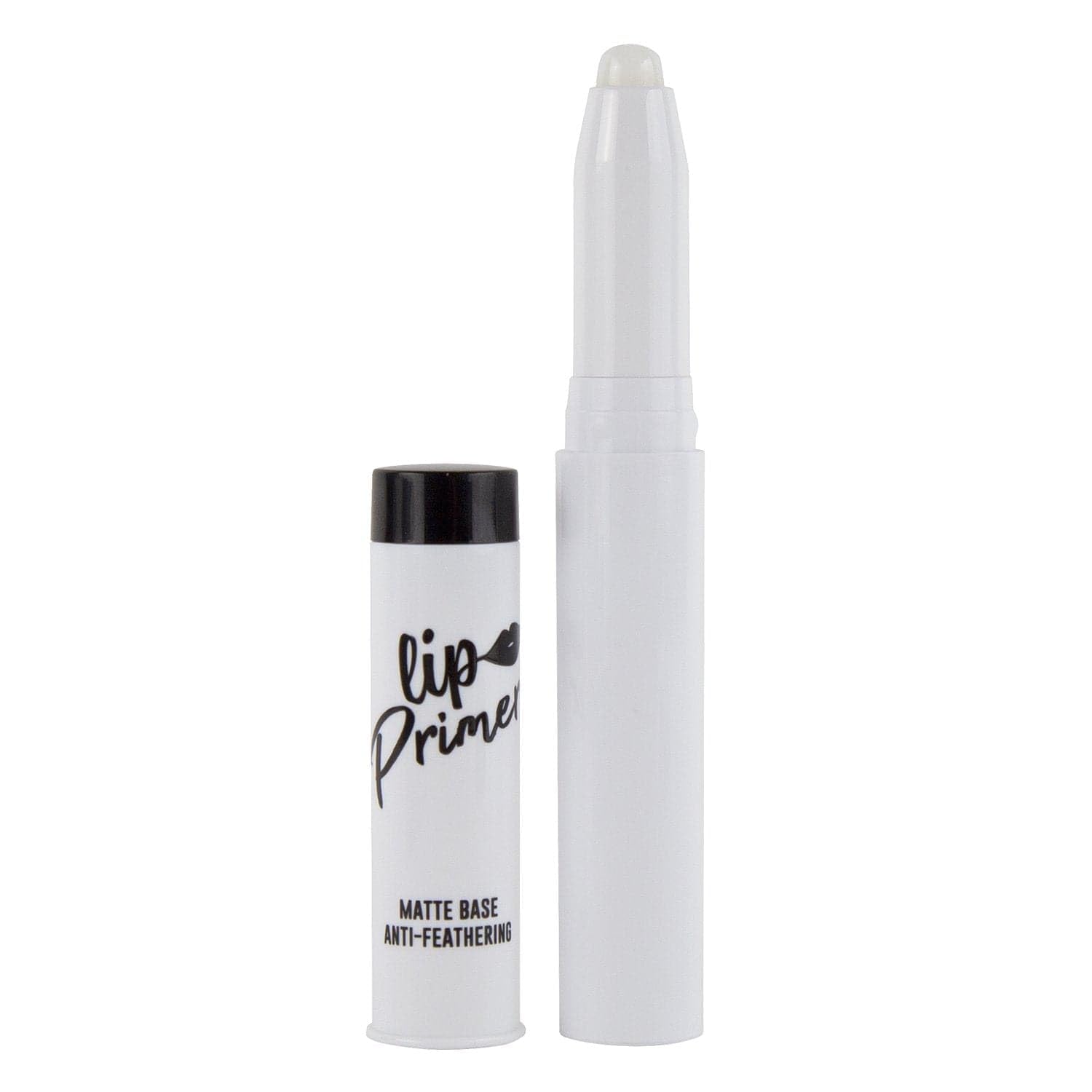
L.A. Girl’s lip primer sits in an odd corner of the cosmetics market: it is a dedicated, single-purpose product sold at a drugstore price, in packaging small enough to disappear in a makeup bag. The stick format, listed at 0.043 pound (roughly 0.7 ounces of product by weight, though the tube itself is slim), puts it closer to a lip balm in feel than to the liquid primers that have become more common. That distinction matters more than the price tag suggests.
The intended use is straightforward. You apply a thin layer before lipstick, let it set for a moment, and then apply color on top. In practice, most people reach for a primer like this when they are wearing matte or long-wear lipstick and want to reduce the dry, tight feeling those formulas can produce, or when they want color to stay put through a meal or a long day. It is also a reasonable option for anyone whose lipstick tends to feather into fine lines around the mouth, since a primer can create a slightly smoother surface for the color to grip.
Functionally, the product is a wax-based stick with a fairly firm texture. It glides on without much drag but does not deposit a lot of visible product, which is the point: a lip primer that leaves a heavy film will break down the lipstick layered over it. The finish is close to matte, with little to no shine, and there is no meaningful tint. It has a faint cosmetic scent that fades quickly, and the stick format means application is quick and doesn’t require fingers or a brush, which is a practical advantage over liquid primers that need to be spread and then allowed to dry down.
Where the product earns its place is in extending wear on matte formulas. On a standard matte bullet lipstick, a thin layer underneath tends to delay the point at which color starts to cling to dry patches or fade from the center of the lips. It is not a dramatic transformation, and it will not make a transfer-prone lipstick transfer-proof, but it does buy some time. On very dry lips, the effect is more noticeable, because the primer smooths the surface enough that matte color doesn’t immediately emphasize every flake.
The trade-offs are worth being clear about. First, it is not a moisturizing treatment. The stick feels comfortable going on, but it does not replace a balm, and anyone with chronically dry or cracked lips will likely still need something more emollient underneath or a less drying lipstick on top. Second, over-application is easy to do and counterproductive: too thick a layer makes lipstick slide, patch, or wear unevenly, so the product rewards a light hand. Third, the format has a practical limitation in that the stick can pick up pigment from the lips if you apply it after lipstick, so it needs to go on bare lips to work as intended. Finally, the small size means it runs out faster than a standard lip balm if used daily.
Compared with a conventional lip balm, the primer is firmer, less oily, and designed to sit under color rather than to nourish. A balm can do some of the same prep work, but it tends to leave a slicker surface that shortens lipstick wear unless blotted. Compared with liquid or gel lip primers, the stick is easier to control and less likely to over-apply, though liquids often dry down to a more grippy, tacky base that some long-wear formulas adhere to better. In other words, it occupies a middle ground: more purposeful than a balm, less aggressive than a liquid primer.
This is a product for people who wear matte or long-wear lipstick regularly and want a low-effort step that improves comfort and slightly extends wear, especially those who prefer stick formats and don’t want to spend much. It is also a sensible entry point for anyone curious about lip primers without committing to a pricier liquid. It is not suitable for anyone expecting a moisturizing treatment, a plumping effect, or a product that will rescue a drying lipstick entirely, and it won’t appeal to those who dislike the extra step or who already get good results from blotting a balm. Treated as a modest, functional base rather than a fix-all, it does what it claims within reasonable limits.