
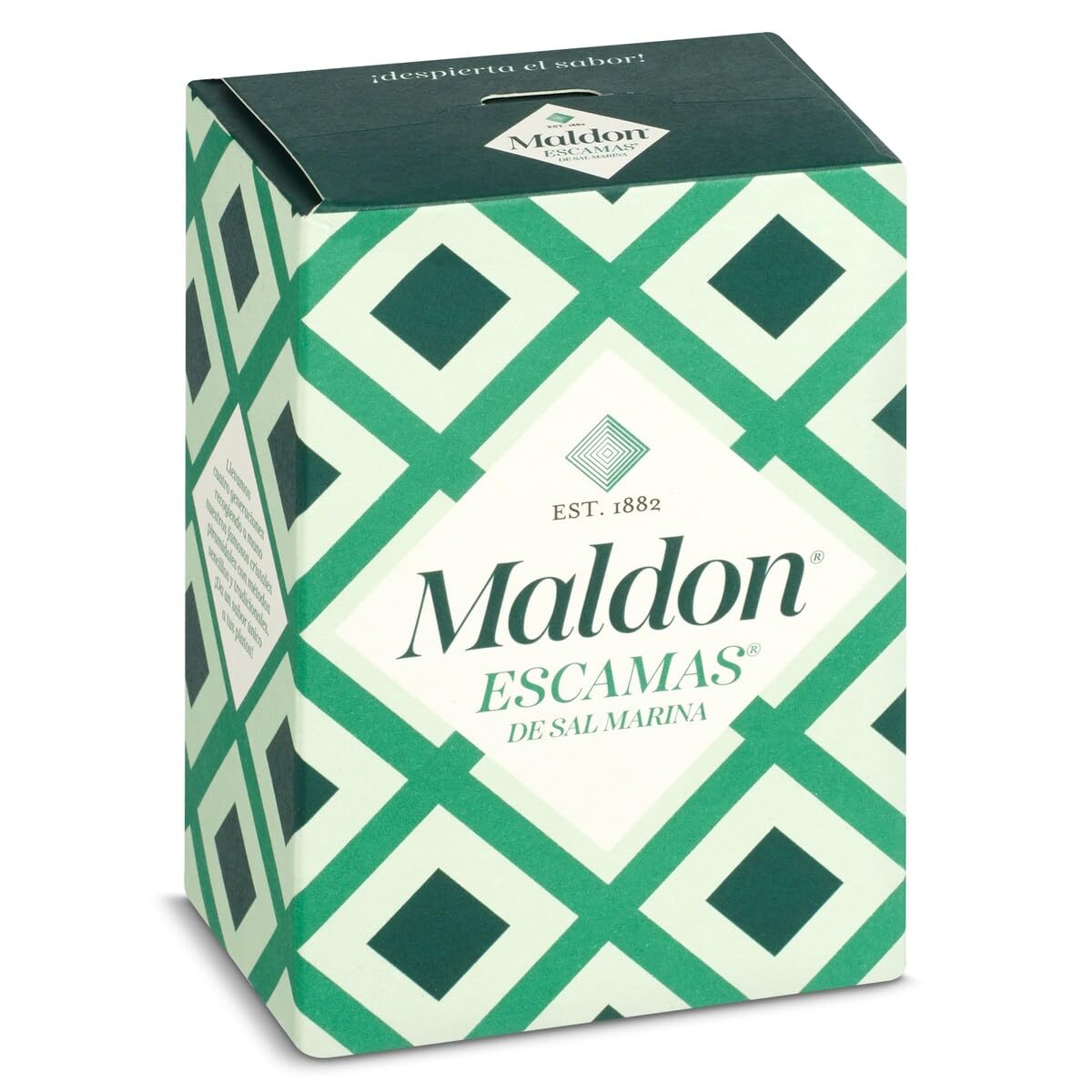
Maldon Sea Salt Flakes have a reputation that precedes them. The pyramid-shaped crystals are a familiar sight in British kitchens and have gained a following among home cooks and chefs alike. But what makes this salt different from the inexpensive table salt most of us grew up with? And is it worth the premium price? This review takes a closer look at the 125g box, examining its features, performance, and where it fits in a modern kitchen.
The first thing you notice about Maldon salt is the texture. The flakes are large, irregular, and surprisingly light for their size. They’re harvested from the coastal town of Maldon in Essex, England, using a traditional evaporation method that gives the crystals their distinctive pyramid shape. This isn’t a salt you’d use for everyday cooking tasks like boiling pasta or seasoning a stew; its flaky structure means it dissolves quickly and can easily overwhelm a dish if used in quantity. Instead, it’s best reserved for finishing—sprinkled over food just before serving to add a burst of salinity and a satisfying crunch.
In practice, Maldon excels as a finishing salt. A pinch crumbled between your fingers over a grilled steak, a roasted vegetable, or even a chocolate cookie adds a textural contrast and a clean, pure saltiness that regular table salt can’t match. The flakes are soft enough to crush easily, so you can control the intensity. They also work well as a garnish for cocktails or as a rim for margaritas, where the irregular shape adds visual interest. However, don’t expect it to replace your everyday salt. For baking, where precise measurements matter, the variable size of the flakes makes it unreliable; you’re better off with a fine-grained salt. Similarly, for salting pasta water or seasoning a large pot of soup, the flakes dissolve too slowly and unevenly, and you’d need a significant amount to achieve the desired effect, making it an expensive choice for those tasks.
One of the key functional features of Maldon is its moisture content. Unlike some sea salts that can clump in humid conditions, Maldon’s flakes remain relatively dry and free-flowing, thanks to the traditional evaporation process. The 125g box is compact and easy to store, and the salt stays loose in the box, so you can pinch out what you need without digging. The box itself is simple cardboard with a plastic bag inside; it’s not resealable, so transferring the salt to an airtight container is advisable if you live in a damp climate. The flakes are also quite fragile, so they can break during transport, but that doesn’t affect the taste—just the appearance.
Compared to other finishing salts, such as fleur de sel from France or Himalayan pink salt, Maldon holds its own. Fleur de sel is often more expensive and has a slightly different crystal structure—more delicate and damp—while Himalayan pink salt offers a similar crunch but with a different mineral flavor profile. Maldon’s flavor is clean and straightforward, without any bitterness or off-notes. It’s less expensive than fleur de sel, making it a more accessible option for those wanting to experiment with finishing salts. However, if you’re looking for a salt with a more complex flavor, you might prefer a smoked salt or a mineral-rich variety.
So, who is Maldon for? It’s ideal for home cooks who enjoy adding a professional touch to their dishes and don’t mind spending a little extra on a specialty ingredient. It’s also a good choice for those who appreciate the aesthetic of large flakes on finished plates. But it’s not for anyone looking for a budget-friendly all-purpose salt—a 125g box won’t last long if used daily, and the cost per gram is significantly higher than regular sea salt. It’s also not suitable for precise baking or for anyone who prefers a fine, uniform grain. If you’re on a tight budget or rarely use finishing salt, you might find it hard to justify the expense.
In terms of performance, Maldon delivers what it promises: a crisp, clean-tasting salt that adds texture and visual appeal. It’s not a miracle ingredient, but it’s a reliable one. The flakes are consistent in quality from box to box, and the packaging, while basic, does the job. One minor annoyance is that the box can be tricky to open without tearing, and once open, it doesn’t close securely, so decanting is recommended. Also, because the flakes are so light, it’s easy to use more than you intended; a little goes a long way, but it’s worth being mindful of how much you sprinkle.
Overall, Maldon Sea Salt Flakes are a worthwhile addition to a well-stocked kitchen, provided you understand their role. They’re not a replacement for everyday salt but a specialized tool for finishing. The 125g box is a good size for occasional use, and the quality is evident. If you’re curious about finishing salts, this is a solid starting point. Just don’t expect it to revolutionize your cooking—it’s salt, after all, and its main job is to enhance, not transform.