
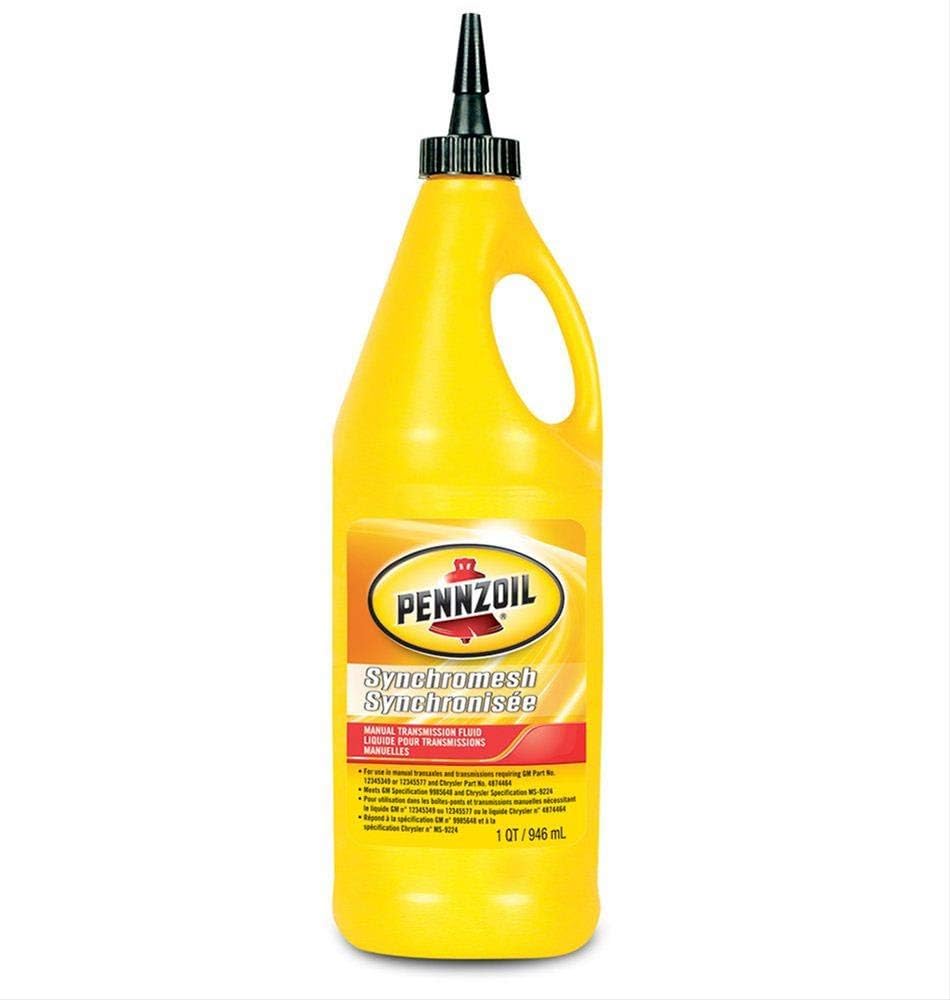
Transmission fluid is one of those consumables that rarely gets a second thought until something starts slipping, shuddering, or overheating. This 32-ounce container with a 350°F flash point sits in the general-purpose end of the market: it is not a boutique synthetic aimed at a specific OEM specification, and it is not marketed as a miracle cure for a tired gearbox. It is a straightforward fluid for routine service and top-offs, and judging it fairly means understanding what that role actually demands.
In practice, a quart of transmission fluid gets used in a few predictable ways. Someone tops off a dipstick after noticing a slow leak. A home mechanic drains and refills a pan, knowing a full flush is out of reach without equipment. A small hydraulic system or a piece of garden equipment that calls for transmission fluid gets a partial change. The 32-ounce size fits these jobs well because it matches the amount a typical pan drop or top-off consumes, so there is less leftover fluid sitting on a shelf for years. The 350°F flash point is a useful data point here: it indicates the temperature at which the fluid’s vapors can ignite under test conditions, and it gives a rough sense of thermal margin. It is a reasonable figure for a conventional or semi-synthetic fluid, though it is not exceptional, and buyers comparing spec sheets will find products rated higher.
Functionally, the fluid is expected to do several jobs at once: lubricate gears and bearings, transfer hydraulic pressure in an automatic transmission, act as a coolant, and keep seals conditioned. Nothing about this product’s presentation suggests it deviates from those basics. The 32-ounce bottle is easy to handle and pour, which matters more than it sounds when you are working under a car with limited clearance. What the listing does not make clear is the exact specification it meets, and that is the central caveat. Modern automatic transmissions are picky. A fluid that works fine in an older four-speed unit may cause shudder or shift quality issues in a newer eight- or ten-speed gearbox that calls for a specific low-viscosity formulation. Buyers should treat the 350°F flash point as one characteristic among many, not as proof of compatibility.
The most honest limitation is that this is a general-purpose fluid in a market where specificity wins. Compared with a vehicle-specific OEM fluid or a dedicated multi-vehicle synthetic, a generic 32-ounce product offers less assurance. It may be perfectly adequate for older vehicles, light hydraulic use, or as an emergency top-off, but it is a gamble in a transmission under warranty or one with known sensitivity to fluid type. The flash point also invites a fair question: 350°F is acceptable for normal operating conditions, but transmissions in heavy towing or performance use can see fluid temperatures well above that, and a higher flash point fluid provides more headroom. For everyday driving, this is unlikely to matter; for severe duty, it is worth considering an alternative.
Another trade-off is quantity. Thirty-two ounces is convenient for a single top-off or a small pan, but anyone doing a full service on a larger transmission will need several bottles, and buying in bulk is usually more economical. There is also the matter of storage and disposal: leftover fluid is hazardous waste in most areas, so buying close to the amount needed is the practical approach.
Who is this for? It suits the owner of an older vehicle doing routine maintenance, the DIYer handling a slow leak, or someone maintaining small hydraulic equipment that specifies a general transmission fluid. It is also a sensible emergency bottle to keep in a garage. Who is it not for? Owners of late-model vehicles with strict fluid specifications, anyone servicing a transmission under warranty, and drivers who tow or track their cars and need a fluid with a higher thermal ceiling. Those users should look at OEM-specified or dedicated synthetic products instead.
Overall, this is a competent, unremarkable fluid that does what a general-purpose quart should do, provided the buyer checks compatibility first. Its strengths are convenience, a reasonable thermal rating, and a package size that matches common jobs. Its weaknesses are the lack of a clearly stated specification and a flash point that is adequate rather than generous. Used within its limits, it is a practical purchase; used as a universal substitute, it is a risk.