
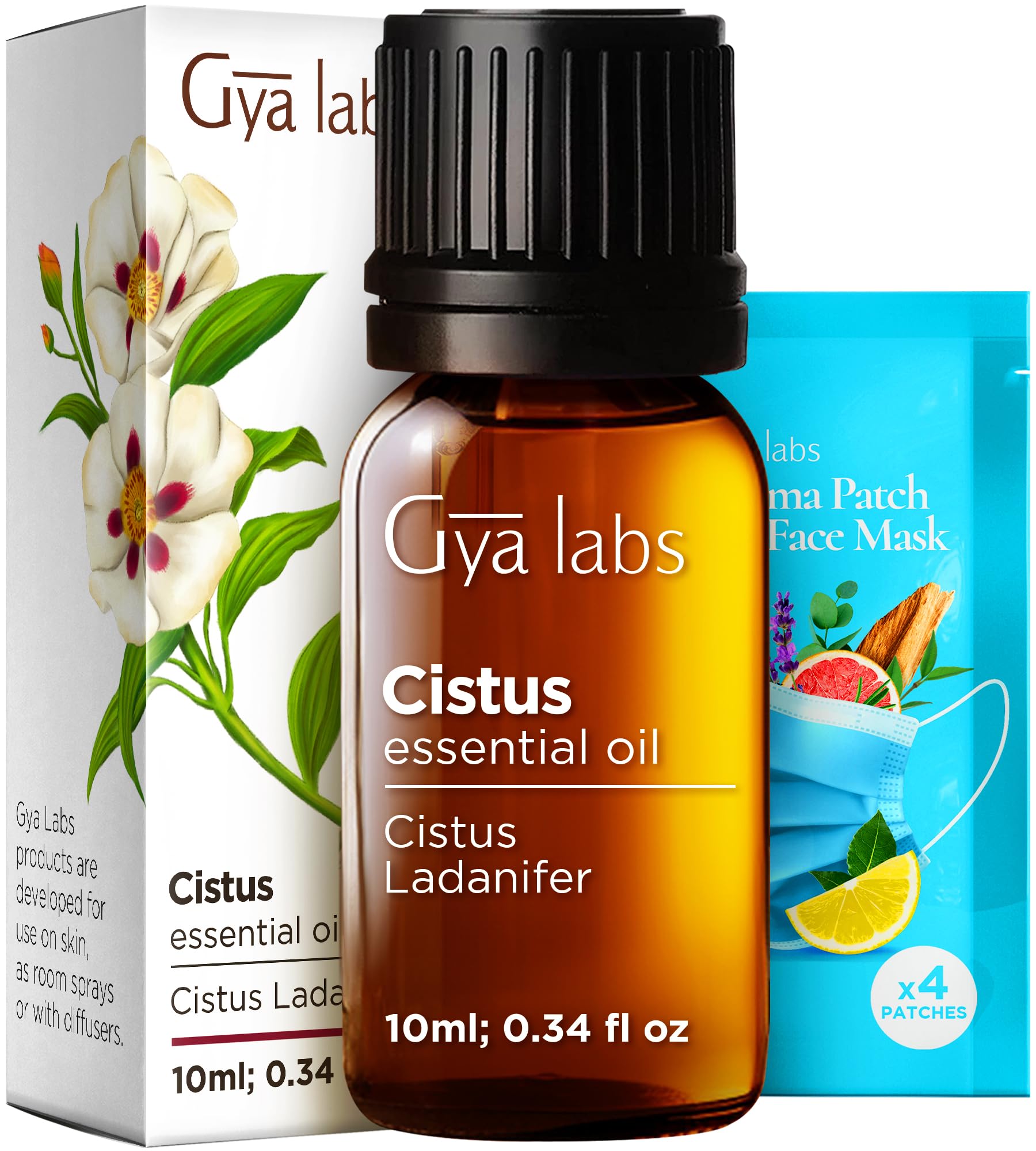
Cistus essential oil, steam-distilled from the rockrose shrub, is one of those aromatics that tends to fly under the radar compared to lavender or tea tree. This 0.34 fl oz bottle positions itself as a multi-purpose option for skin, hair, and diffusion. Having spent time with similar cistus oils and considering the typical profile of this botanical, here’s a grounded look at what it offers and where it falls short.
What you’re actually getting
The bottle contains 10 milliliters of pure cistus essential oil (Cistus ladaniferus). No carrier oil, no blends—just the straight distillate. That’s worth noting because cistus is often sold pre-diluted for skin application, and a pure oil requires you to handle the dilution yourself. The amber glass bottle is standard for essential oils, protecting the contents from light degradation. A dropper insert is typical, though the listing doesn’t specify, so it’s worth confirming if precise dosing matters to you.
How it fits into real routines
In practice, cistus oil shows up in three main contexts. For skin, it’s usually added to a carrier oil or unscented lotion at a low ratio—think one or two drops per tablespoon of base—and applied to areas of concern. People often reach for it when dealing with minor irritation or to support the appearance of mature skin. For hair, a drop or two can be mixed into a scalp massage oil or added to a final rinse; it’s not a standalone conditioner but a botanical addition. In a diffuser, cistus brings a warm, resinous, almost honeyed-woody note that blends well with citrus or cedarwood. It’s not a sharp, clean scent like eucalyptus; it’s deeper and slightly earthy, which some find grounding and others find heavy.
Performance expectations
Essential oils are potent, and cistus is no exception. A little goes a long way. If you’re using it for skin, you’ll need to be diligent about dilution—undiluted application can cause irritation, especially on sensitive areas. The 10 ml size is reasonable for occasional use; if you plan to diffuse daily, you might go through it faster than expected. The aroma in diffusion is moderate; it doesn’t fill a large open-plan space quickly, so it’s better suited to a bedroom or study. On skin, results are gradual and subtle—this isn’t a spot treatment that works overnight. Users often report improvements in skin comfort over weeks, not days.
Where it stumbles
The biggest trade-off is the lack of guidance. The bottle itself doesn’t include dilution ratios or usage instructions beyond the basic “for external use only.” For someone new to essential oils, that’s a gap—you’ll need to do your own research to use it safely. Also, the scent is polarizing: the resinous, slightly animalic undertone isn’t for everyone. If you prefer light floral or citrus aromas, this may sit unused. And while 0.34 fl oz is a standard essential oil size, it’s small for the price compared to more common oils like lavender or peppermint, which are often cheaper per milliliter due to higher production volumes.
How it compares
Compared to other skin-friendly oils like frankincense or helichrysum, cistus is less studied and less commonly recommended, though it shares some similar traditional uses. Frankincense is more readily available and often comes with more consumer information. If you’re looking for a resinous diffuser oil, cistus is a decent alternative to myrrh or copaiba, but those options are typically more affordable and easier to find in larger sizes. For hair, rosemary or tea tree oils have more established reputations (and stronger evidence) for scalp support. Cistus is a niche choice—worth exploring if you’re curious about lesser-known botanicals, but not the first stop for most routines.
Who it’s for—and who it isn’t
This oil suits someone who already has experience with essential oils, understands dilution, and wants to experiment with a less common aromatic. It’s also a good fit for diffuser enthusiasts who enjoy deep, resinous scents and are looking to expand their collection. If you’re new to essential oils or want a ready-to-use skin product, this isn’t the most user-friendly entry point—you’ll need to invest time in learning safe practices. Likewise, if you’re seeking a strong, immediate fragrance for large spaces or a standalone hair treatment, this bottle will likely disappoint. It’s a concentrated botanical ingredient, not a finished formulation.
Overall, this cistus oil delivers what it promises: pure, single-origin essential oil in a small bottle. Its strengths lie in its versatility for those who know how to use it, but the lack of usage guidance and the polarizing scent mean it’s not a casual purchase. Approach it as you would any potent botanical—with a bit of research and realistic expectations.