
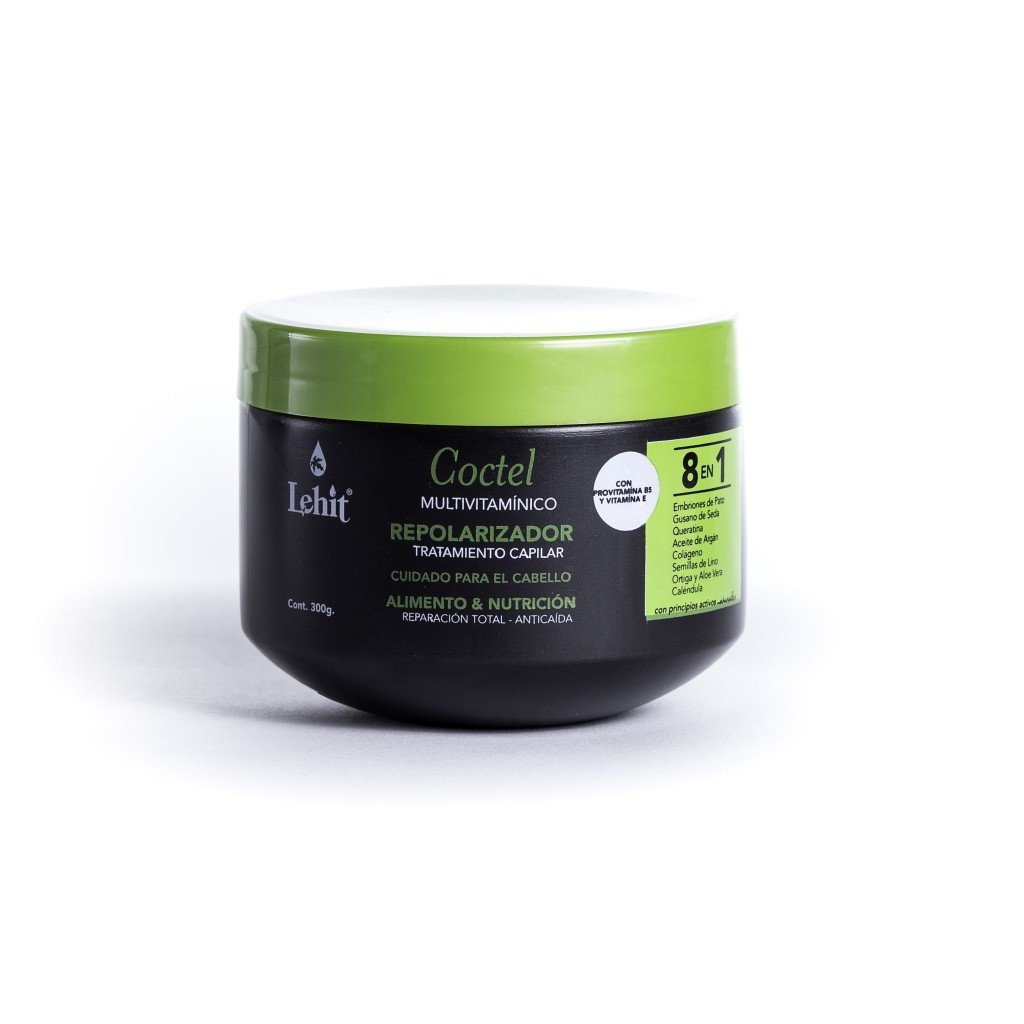
Lehit’s 8 En 1 Multivitaminico Repolarizador is part of a growing category of leave-in hair treatments that borrow language from skincare and nutrition—”cocktail,” “repolarizer,” “multivitamin”—to describe what is essentially an ampoule or serum applied to the scalp and hair. The product is marketed as a total repair and anti-hair-loss treatment, which is a lot to promise from a single bottle. This review looks at what the format actually is, how it fits into a routine, and where the claims outrun the evidence.
The product comes as a concentrated treatment, typically in single-use ampoules or a small bottle, meant to be applied after washing and before styling. In practice, users work a small amount into the scalp and along the lengths, sometimes with a brief massage, and leave it in rather than rinsing. That makes it a leave-in step, not a mask or a conditioner, and it sits in the same slot in a routine as a scalp serum or a finishing oil. The “8 en 1” framing refers to the combination of vitamins and conditioning agents in one formula, positioning it as a multi-benefit product rather than a single-purpose one.
Functionally, the appeal is convenience. A multivitamin blend—typically B vitamins, vitamin E, and sometimes vitamin A derivatives—plus humectants and conditioning agents can temporarily improve how hair feels and looks: smoother cuticles, less frizz, a bit more shine. The “repolarizing” claim is harder to pin down. In cosmetic marketing, it usually implies rebalancing the scalp environment, but there is no standardized meaning, and the term is not a regulated claim. Buyers should read it as a general soothing or conditioning descriptor rather than a clinical function.
Where the product is likely to perform best is in the cosmetic, short-term sense. Used consistently, a leave-in vitamin treatment can make dry or processed hair feel softer and look less dull, and it can reduce the friction that leads to breakage during combing. Those are realistic outcomes. What it will not do is regrow hair or reverse androgenetic hair loss. The anti-hair-loss positioning is the weakest part of the marketing; no topical cosmetic cocktail has been shown to restore lost density, and consumers should treat “anticada” as a strengthening and breakage-reduction claim, not a medical one.
There are practical trade-offs. Leave-in treatments add weight, and on fine or low-porosity hair a multivitamin cocktail can make roots look greasy faster, especially if applied too close to the scalp or in generous amounts. The single-use ampoule format, if that is the packaging, is hygienic but generates waste and makes it harder to adjust the dose—users with long or thick hair may find one ampoule insufficient, while short hair may waste product. Scent and texture vary by formula, and vitamin-rich leave-ins can occasionally irritate sensitive scalps, so a patch test is sensible.
Compared with a conventional leave-in conditioner or a plain argan oil serum, the Lehit cocktail is more expensive per use and more complex in its claims. A basic leave-in conditioner will deliver much of the same softness and detangling for less money; a dedicated scalp serum with a single active ingredient (say, caffeine or niacinamide) is a more targeted choice for those specifically concerned about thinning. The multivitamin format is a reasonable middle ground for someone who wants one product that conditions and treats the scalp at once, but it is not a substitute for either a proper conditioner or a dermatologist-guided hair-loss regimen.
Who is it for? It suits people with dry, chemically treated, or heat-styled hair who want an easy leave-in step that adds softness and reduces breakage, and who are comfortable with a multi-ingredient formula. It is also reasonable for those who like the ampoule format for travel or for measuring consistent doses. Who should skip it? Anyone expecting visible regrowth, those with very fine or oily scalps who dislike extra weight at the roots, and people with known sensitivities to fragrance or specific vitamins. Anyone with active scalp inflammation or sudden hair loss should see a professional rather than rely on a cosmetic treatment.
The honest summary: the Lehit 8 En 1 is a plausible, convenient conditioning treatment with a multivitamin angle, best evaluated as a cosmetic leave-in rather than a repair or anti-loss solution. Its strengths are ease of use and the feel it can give hair; its weaknesses are the inflated claims, the cost per use relative to simpler alternatives, and the risk of buildup on fine hair. Expectations should be set at “healthier-looking, easier-to-manage hair” rather than “restored density.”