
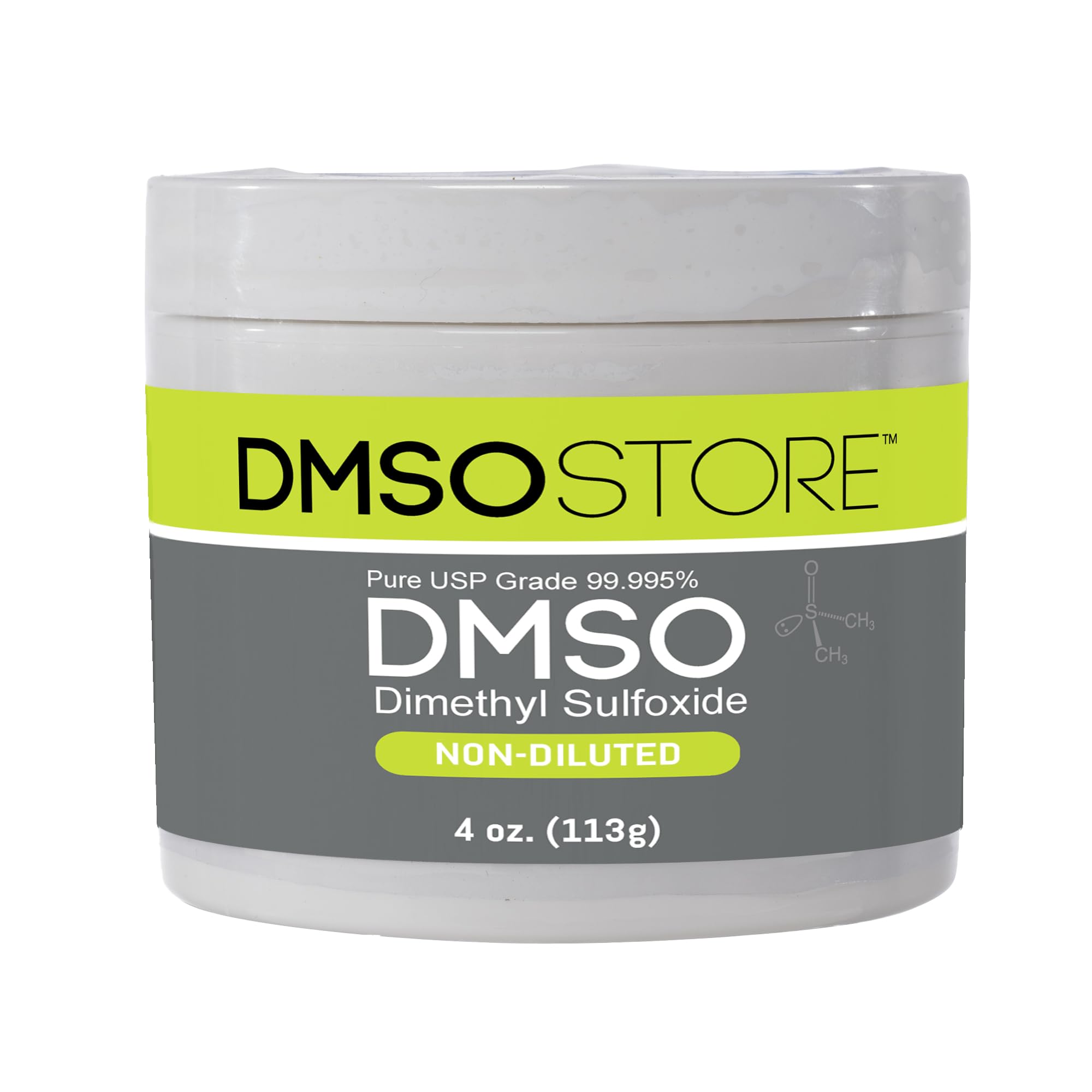
DMSO, or dimethyl sulfoxide, has been a topic of interest in alternative health circles for decades. The product we are looking at here is a 4-ounce gel form, labeled as non-diluted, 99.995% pharma grade, low odor, and packaged in a BPA-free container. While the purity claims are notable, the reality of using DMSO is more nuanced than the specifications might suggest.
This gel is intended for topical application. In practice, people commonly use it to apply substances to the skin, as DMSO is known for its ability to penetrate tissues and carry other compounds with it. Some users apply it to joints or muscles for perceived relief, while others use it as a carrier for other topical agents. The gel consistency makes it easier to control application compared to liquid DMSO, which can run and be harder to measure. The low-odor claim is a genuine improvement over older formulations, which had a strong garlic-like smell that many found off-putting. This version still has a faint odor, but it is significantly less noticeable.
Key functional features include the high purity level of 99.995%, which reduces the risk of contaminants that could cause skin reactions. The BPA-free container is a sensible choice, as DMSO can leach chemicals from plastics, and the gel form avoids the freezing point issues of liquid DMSO (which solidifies around 65°F). The 4-ounce size is practical for personal use, though it is not large for frequent applications.
However, there are important limitations. First, DMSO is not approved by the FDA for most medical uses, and its safety for long-term topical use is not well-studied. The gel can cause skin irritation, especially if applied to broken skin or if the user is sensitive. The non-diluted nature means it is very potent; many users may need to dilute it further with distilled water to avoid stinging or redness. Also, because DMSO absorbs rapidly, it can carry contaminants from the skin into the body, so the application site must be thoroughly clean. This adds a layer of complexity that casual users might not anticipate.
Compared to other topical pain relief options like arnica gels or menthol-based creams, DMSO is fundamentally different. Those products work by providing a cooling or warming sensation or by targeting inflammation locally. DMSO, on the other hand, is primarily a carrier solvent—it does not itself provide pain relief but may enhance the delivery of other substances. If you are looking for a straightforward pain-relief gel, this is not a direct substitute. It is more of a tool for those already familiar with DMSO protocols.
Who is this product suitable for? It is best for experienced users who understand DMSO’s properties and precautions, such as those using it for specific protocols under guidance. It may also suit people who want a high-purity, low-odor gel for occasional topical use as a carrier. It is not suitable for beginners without research, for those with sensitive skin, or for anyone expecting immediate, noticeable relief on its own. Pregnant or nursing individuals should avoid it due to lack of safety data.
In summary, this DMSO gel delivers on its purity and reduced odor, and the gel format is convenient. But it is not a casual purchase. The trade-offs include the need for careful handling, potential skin irritation, and the fact that it is not a standalone remedy. If you are already familiar with DMSO, this is a solid option. If you are new to it, start with smaller amounts and do your homework first.