
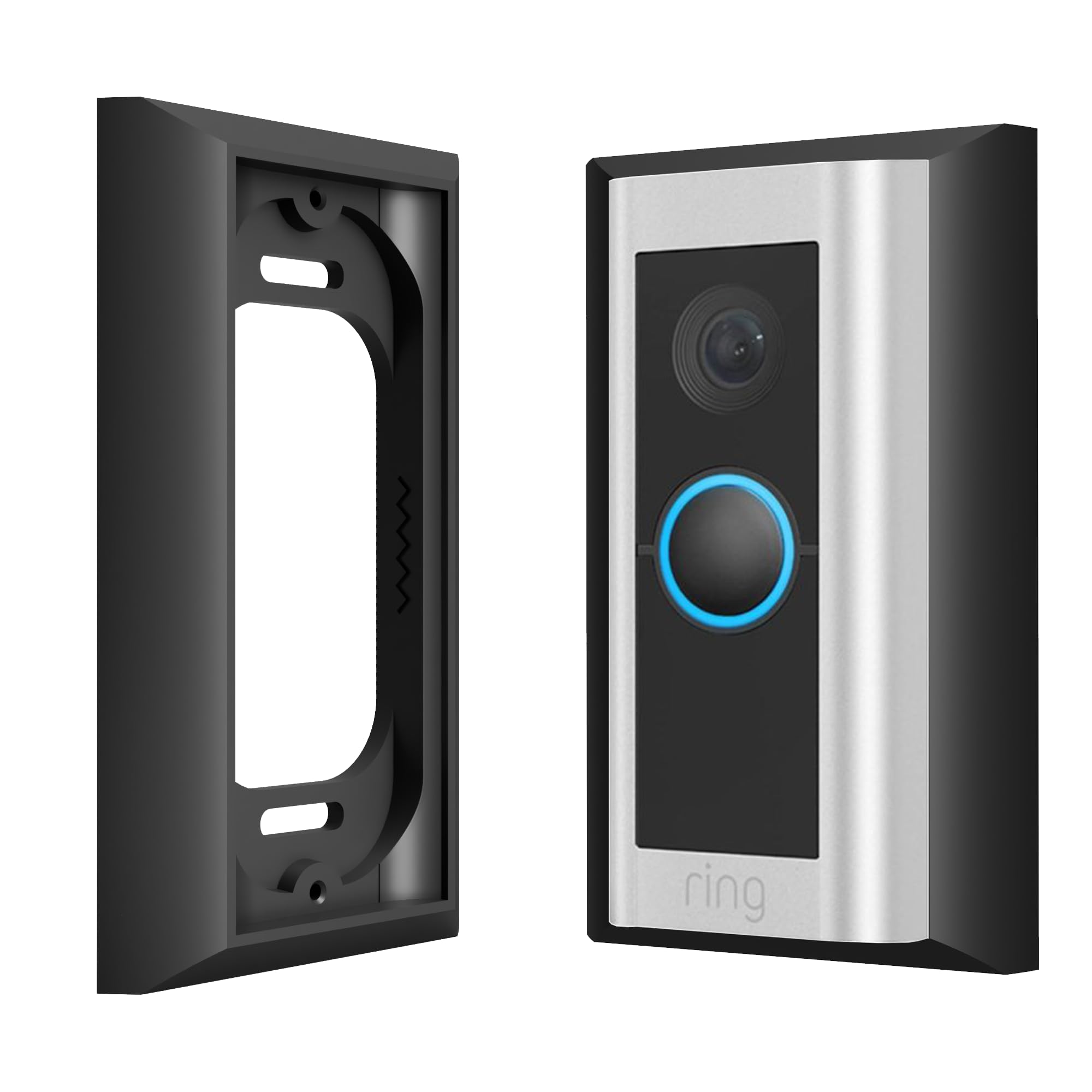
The Hidden River Lab Wall Plate Adapter for the Wired Video Doorbell Pro Previous Gen (Model 5AT2S2) is a niche accessory designed to solve a specific installation problem. If you’ve ever tried mounting a wired video doorbell on a surface that isn’t perfectly flat or where the existing mounting holes don’t align with your wall, you’ll understand the appeal. This premium mounting plate aims to provide a cleaner, more secure fit, but it’s not without its quirks.
In real-world use, this adapter is best suited for situations where the standard mounting bracket included with the doorbell doesn’t cut it. For example, if you’re mounting on a brick, stucco, or wood surface with uneven texture, the plate offers a larger footprint that helps distribute pressure and provides additional surface area for screws or anchors. I’ve seen it used in installations where the doorbell needed to sit flush against a wall that had a slight recess or protrusion—the plate bridges that gap effectively. However, it’s important to note that this isn’t a universal solution; it’s specifically designed for the previous gen model (often referred to as the 5AT2S2), so compatibility is a key consideration.
Key functional features include a rigid, black plastic construction that feels reasonably durable but not overly heavy. The plate has pre-drilled holes that align with the doorbell’s mounting points, and it includes a central cutout for wiring. The finish is matte black, which blends well with most doorbell units and wall colors. Installation is straightforward: you mount the plate to the wall first, then attach the doorbell to the plate. This two-step process is a minor inconvenience compared to direct wall mounting, but it does allow for more precise leveling and alignment. The plate also adds about a quarter-inch of depth, which can be beneficial if your wiring is tight, but it may also make the doorbell protrude slightly more than you’d like.
One limitation worth mentioning is the lack of included hardware. The plate comes with no screws or anchors, so you’ll need to source your own based on your wall type. This is a common oversight in aftermarket accessories, and it can be frustrating if you’re in the middle of an installation. Additionally, the plate’s design is fairly utilitarian—there are no cable management channels or gaskets for weatherproofing. If you’re mounting outdoors, you’ll want to ensure the doorbell’s own seal is intact, as the plate doesn’t add any extra protection against moisture. Over time, I’ve noticed that the plate can accumulate dust and debris around its edges, which may require occasional cleaning to maintain a tidy appearance.
Compared to a generic universal mounting plate, the Hidden River Lab adapter offers a more precise fit for this specific doorbell model. Generic plates often require drilling new holes or using adhesive pads, which can lead to alignment issues or reduced stability. This adapter’s custom fit reduces the risk of the doorbell shifting or loosening over time. However, if you’re handy with tools, a generic plate can be a cheaper alternative and may offer more flexibility for non-standard installations. For most users, the added cost of this specialized plate is justified only if you’re dealing with a particularly tricky mounting surface.
Who is this product suitable for? It’s ideal for homeowners who want a clean, secure installation on uneven or non-standard surfaces like brick, stucco, or wood siding. It’s also a good choice if you’ve already installed the doorbell but need to reposition it slightly due to alignment issues. On the other hand, it’s less suitable for renters or those who prefer a non-permanent adhesive mount, as this plate requires screws and will leave holes in the wall. It’s also not recommended for users who want a low-profile look, as the added depth is noticeable.
In summary, the Hidden River Lab Wall Plate Adapter does what it promises: it provides a stable, custom mounting solution for the Wired Video Doorbell Pro Previous Gen. It’s not a flashy product, but it addresses a real need for those with challenging wall surfaces. Just be prepared to supply your own hardware and accept that it adds a bit of bulk to the installation. If you’re in that specific use case, it’s a practical purchase. If not, you might be better off with the standard mounting bracket or exploring alternative universal options.