
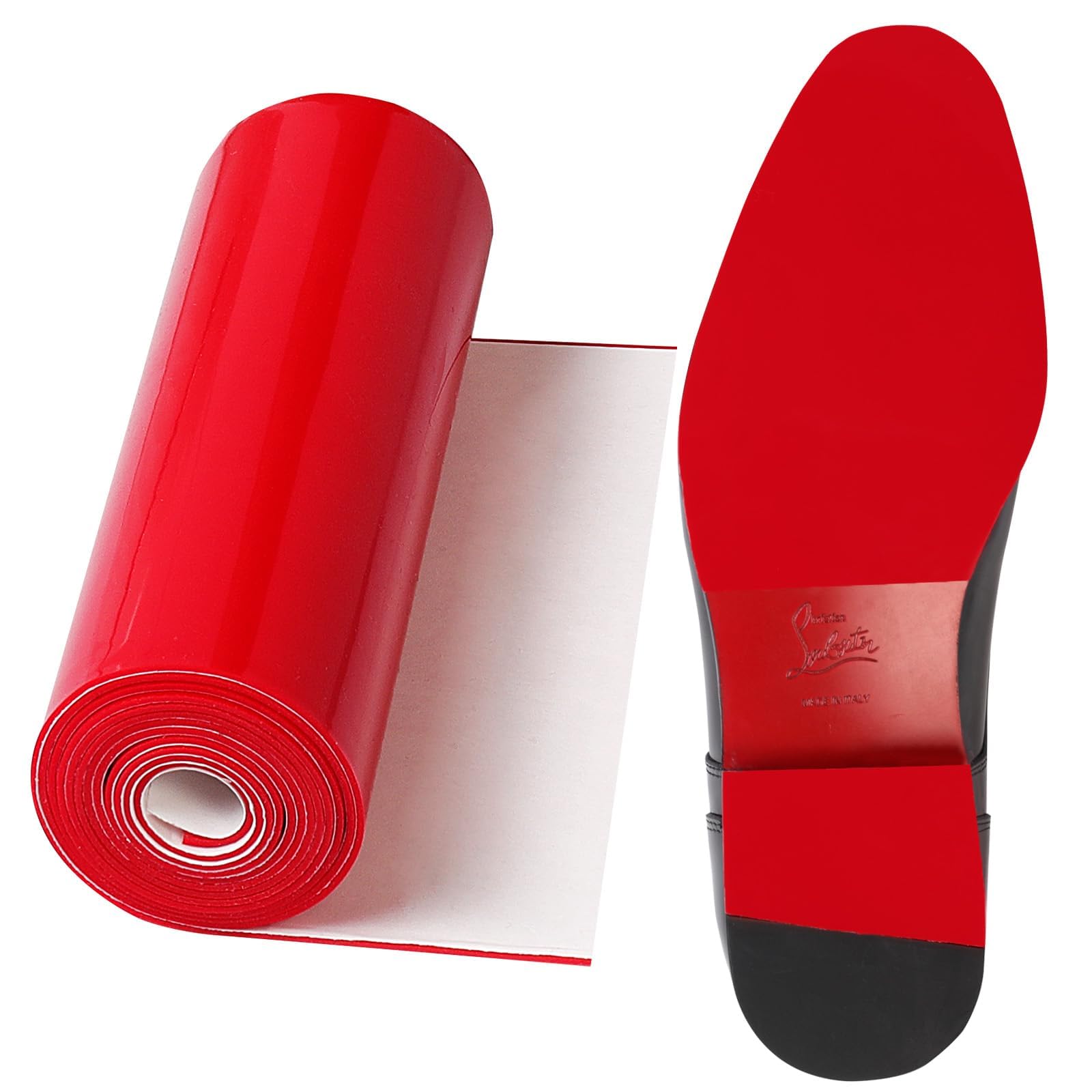
There’s a particular anxiety that comes with owning a pair of Christian Louboutin heels. It’s not just the walk or the fit—it’s that iconic red lacquered sole, which is essentially a magnet for scuffs, dirt, and any rough patch of pavement. The Eldosilk Red Bottom Shoe Protector (5×39in) is a product aimed squarely at that problem: a roll of transparent adhesive film you apply to the sole yourself, promising to keep the red intact while you actually wear the shoes.
I spent a few weeks testing this on a pair of So Kates and a pair of Pigalles—both styles that see a lot of sidewalk time. The application process is straightforward but demands patience. You cut a piece to size, peel off the backing, and press it onto the sole, then trim the edges with scissors. The material is thin and flexible, which helps it conform to the curve of the heel and the arch. It’s not a perfect science; you’ll likely need a second pair of hands or a very steady grip to avoid air bubbles. On my first attempt, I got a few small bubbles near the toe area, but they didn’t affect the wear or the protection. The adhesive is strong enough to stay put, and it doesn’t leave a sticky residue when you peel it off—a plus if you want to reapply or switch to a different protector later.
In terms of real-world performance, the film does exactly what it’s supposed to: it takes the brunt of the scratching. After a full day of walking on concrete, gravel, and even a few cobblestone streets, the red sole underneath was still pristine. The film itself showed scuffs and wear, but that’s the point—it’s sacrificial. It also adds a very slight amount of traction, which is a welcome bonus given how notoriously slippery Louboutin soles are right out of the box. The 5×39-inch roll is generous; I got about three applications per pair, depending on how careful I was with cutting. For the price, that’s reasonable value compared to taking shoes to a cobbler for a sole guard, which can cost $30–$50 per pair and still alter the look.
However, there are trade-offs. The film is not invisible up close. Under certain lighting, you can see a faint edge line where the film ends, especially if you don’t trim it perfectly flush with the sole. It’s a minor aesthetic compromise, but for some Louboutin owners, the whole point is the flawless red sole, so any visible film might be a dealbreaker. Also, the adhesive is not designed to be permanent. After several wears, the film starts to peel at the toe—especially if you tend to drag your feet. I found myself reapplying every two to three weeks with moderate wear, which means the roll runs out faster than you might expect. And while it protects against scratches and light scuffs, it won’t do much against deep gouges or if you step on something sharp like a nail or broken glass.
Compared to other options on the market, Eldosilk sits in a middle ground. There are cheaper, flimsier plastic sheets that barely stay on for a night out, and there are professional-grade sole guards that require heat and a cobbler’s tools. This roll is a DIY compromise—easy to apply at home, no special equipment, and it doesn’t permanently alter the shoe. But it’s not as durable as a hard-wearing rubber sole guard, which can last for months and provide better grip. If you’re looking for a long-term solution, this isn’t it. It’s more of a temporary shield for occasional wear, not a daily driver.
Who is this for? It’s ideal for someone who owns a pair of Louboutins (or similar red-soled heels) and wants to keep them looking new for a special event, a wedding, or a few nights out without the cost or commitment of a cobbler. It’s also great for travelers who want to protect their heels in a hotel room or on vacation. On the other hand, if you wear your red-soled heels daily or walk long distances in them regularly, this film will frustrate you with its need for frequent reapplication. It’s also not suitable for someone who expects a completely invisible solution—up close, you’ll notice it’s there.
In the end, Eldosilk does what it claims, but it’s not a miracle product. It’s a practical, affordable way to extend the life of the red sole, but it requires a bit of patience to apply and a tolerance for its limitations. If you’re okay with reapplying every few weeks and don’t mind a faint film line, it’s a solid buy. If you want a set-and-forget solution, you’re better off visiting a professional.