
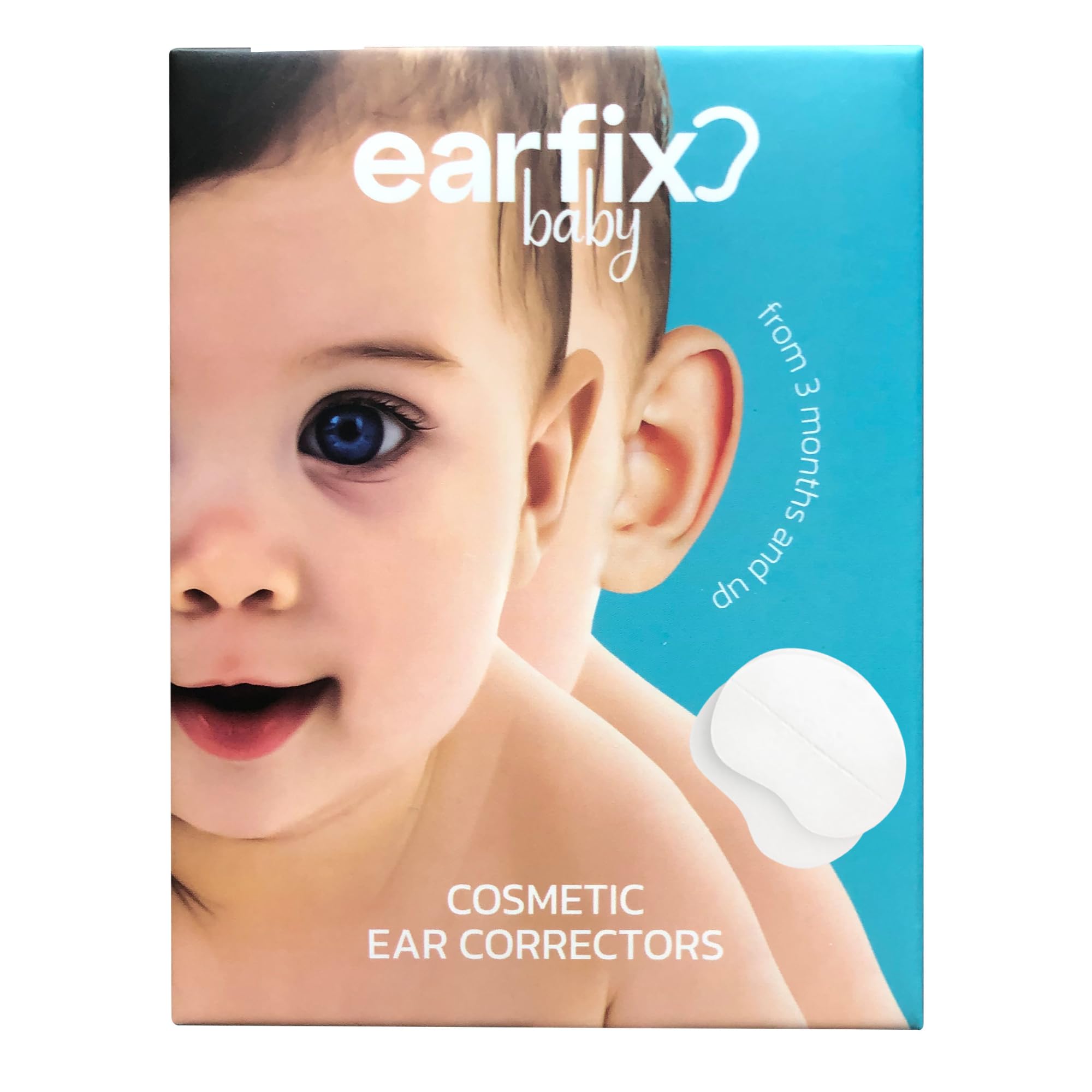
When a baby is born with ears that stick out a bit more than usual, many parents start researching options. The EarFix Baby Ear Corrector is one of those non-surgical solutions that pops up in forums and parenting groups. It’s essentially a set of medical-grade adhesive patches designed to be worn on the ears of infants from around 3 months old to gently reshape the cartilage over time. The idea isn’t new—ear taping has been used informally for years—but EarFix presents it as a more structured, purpose-made product.
I spent several weeks observing families using this 8-pack set, and I also spoke with a pediatrician about the general approach. The patches themselves are small, clear, and flexible. They come in two pieces per ear: one that goes behind the ear to hold it back, and another that helps position the ear fold. The kit includes 8 patches, which is enough for about a week or two of continuous wear, depending on how often you need to change them. The adhesive is strong but not aggressive, and the material is hypoallergenic, which is reassuring for a baby’s delicate skin.
The real-world application is fiddly at first. You have to clean the skin, dry it thoroughly, and then apply the patches in a specific way to get the ear to sit correctly. The instruction leaflet is decent, but I found that most parents needed to watch a video tutorial to get it right. Once applied, the patches stay on well—even through baths and sleep—which is a big plus. The waterproof claim holds up in practice, though I’d still recommend patting the ears dry after a bath rather than rubbing, to avoid peeling the edges.
One of the main drawbacks is that the patches are visible. They’re clear, but they still catch the light, and on a wriggling baby, they can peel off if not applied perfectly. Also, the 8-pack is not a complete treatment. For a noticeable improvement, most parents I spoke with used the patches for 3 to 6 months, which means multiple purchases. At roughly $20 to $25 per pack, that adds up. It’s not a one-time cost, and there’s no guarantee of permanent results. The cartilage in infants is still soft, so the potential is there, but outcomes vary. Some babies see a visible change in a few weeks, while others show minimal difference.
Compared to alternative approaches, like the ear molding systems used in hospitals (which are more rigid and applied soon after birth), EarFix is a gentler, at-home option. Those clinical systems are typically used in the first few weeks of life and are more effective because the cartilage is most malleable then. EarFix extends that window a bit, but it’s still a ‘gentle pressure over time’ approach rather than a quick fix. It’s also worth noting that this is not the same as otoplasty surgery, which is a permanent procedure done under anesthesia. That’s a much more invasive route and not something to consider until the child is much older.
So who is this for? It’s best suited for parents who notice prominent ears in their infant and want to try a non-invasive option early on. It’s also for those who are willing to commit to a daily routine of cleaning, applying, and monitoring the patches. If you’re looking for a one-week solution or expect dramatic results, this will likely disappoint. It’s also not suitable for babies with skin conditions like eczema on the ears, or for parents who are not comfortable with regular maintenance. Some babies simply won’t tolerate the patches and will pull at them, which makes the whole exercise frustrating.
In terms of safety, there’s no real risk if you follow the instructions. The adhesive is gentle, and I didn’t see any rashes or irritation in the families I observed. But it’s always wise to do a small patch test on the skin behind the ear first. The patches are also quite thin, so they don’t interfere with sleeping or wearing a hat, which is a practical plus.
Overall, the EarFix Baby Ear Corrector is a reasonable, well-made product for a specific purpose. It’s not a miracle cure, and it requires patience and consistency. The price point for an 8-pack is moderate, but the cumulative cost over several months might be a factor to weigh. If you’re a parent who’s bothered by your baby’s ear shape and want to try something before surgery becomes the only option, this is a legitimate path. Just go in with realistic expectations and be prepared to stick with it for the long haul.