
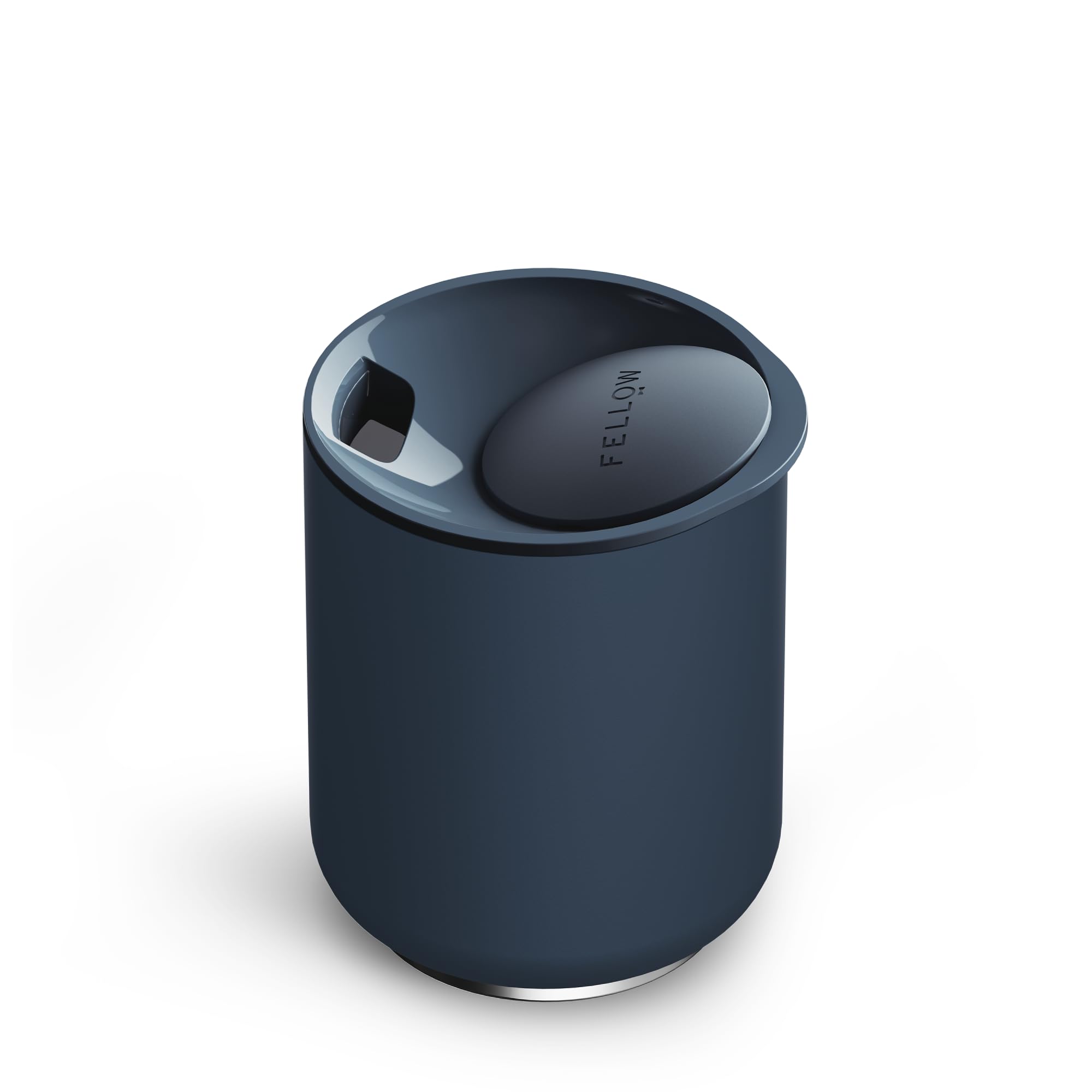
The Fellow Rocky 10 oz ceramic lowball tumbler has been making the rounds in cocktail and whiskey circles, and it’s easy to see why it catches the eye. It’s a handsome glass—thick-walled, with a satisfying heft and a matte, almost stone-like finish. But as with any specialized piece of barware, the real question is whether it earns its place on your shelf or just takes up space. After using it for a few weeks across different drinks, I have a clear picture of what it does well and where it falls short.
First, the practical side. The Rocky is designed to hold 10 ounces, which is a generous size for a lowball. You can comfortably pour a double whiskey on the rocks without worrying about overflow, and it also works well for cocktails like an Old Fashioned or a Negroni that you might want to build directly in the glass. The ceramic construction is a key part of its appeal. Unlike thin crystal or standard glass, ceramic retains temperature much better. If you chill the glass in the freezer for a few minutes, it stays cold for a surprisingly long time, which is a real plus if you like your drinks slowly sipped. The thick walls also mean your hand doesn’t warm the liquid as quickly, so a neat pour stays at a more consistent temperature.
That said, the weight is something to consider. This is not a light glass. It feels solid and premium, but if you’re used to a standard rocks glass, the Rocky might feel almost overly substantial. It’s not a problem if you’re sitting at a table or on a couch, but it’s not the most practical for standing around at a party where you’re holding your drink for extended periods. Your hand will get tired. That’s a trade-off you have to accept for the thermal benefits.
Visually, the Rocky is distinctive but not flashy. The ceramic has a slightly porous, unglazed texture on the outside, which gives it a natural, artisanal look. It comes in a few muted colors—I’ve seen it in a soft cream, a slate gray, and a terracotta-ish tone—and they all look good on a bar cart. The interior, however, is glazed, which is crucial because it makes cleaning much easier. You can just rinse it out or run it through the dishwasher, though I’d recommend hand-washing to preserve the finish. The unglazed exterior, if you’re not careful, can absorb oils from your fingers over time, leaving subtle marks that are hard to remove. It’s not a dealbreaker, but it’s a maintenance consideration.
In terms of performance, the Rocky does what it promises. I tested it with a few different spirits—a peaty Scotch, a rye whiskey, and a tequila-based cocktail—and the glass never imparted any off-flavors. The ceramic is inert, so your drink tastes exactly as it should. The thick base also makes it stable; it doesn’t tip over easily, which is more than I can say for some lighter glasses I’ve used. The opening is wide enough to accommodate a large ice cube or a few smaller ones, and the lip is smooth, making it comfortable to drink from.
Where the Rocky might not be for everyone is if you’re someone who prefers the traditional thin-rimmed crystal glass for a more delicate sipping experience. The thick ceramic lip is noticeably different—it’s not as precise, and some might find it feels a bit clunky. Also, if you’re a fan of seeing the color and clarity of your whiskey, this glass obscures that. The opaque ceramic means you can’t appreciate the amber hues or the way light plays through the liquid. That’s a significant aesthetic loss for some enthusiasts. For that, a standard Glencairn or a simple crystal rocks glass is a better choice.
Compared to other lowball options, the Rocky sits in a specific niche. It’s more expensive than a standard set of glass tumblers, but it’s not outrageously priced for a single specialty glass. It’s a better value than some high-end crystal brands, but it doesn’t offer the same visual clarity. If you’re looking for a versatile everyday glass, you might be better off with a simple double old-fashioned glass that’s lighter and lets you see the drink. The Rocky is more of a purpose-built tool for those who prioritize temperature retention and a unique tactile experience.
So, who is the Rocky for? It’s for the whiskey drinker who enjoys a slow, contemplative sip and doesn’t mind the weight. It’s for someone who appreciates the aesthetic of a well-made ceramic vessel and wants to add a different texture to their glassware collection. It’s also a great gift for a cocktail enthusiast who already has the basics and wants something a bit more special.
On the other hand, it’s not for the minimalist who wants one glass to do everything. It’s not for the person who cares deeply about visual inspection of their spirits. And it’s not for anyone who prefers lighter, more delicate glassware. If you fall into those categories, you’ll likely be frustrated by the Rocky’s limitations.
In the end, the Fellow Rocky is a well-executed product, but it’s not a must-have for everyone. It does its specific job very well, and if that job aligns with your habits, you’ll enjoy it. But it’s a specialized tool, not a universal solution. I’d recommend trying one before committing to a full set, just to see if the weight and the ceramic lip feel right to you. It’s a thoughtful piece of design, but it’s not without its compromises.