
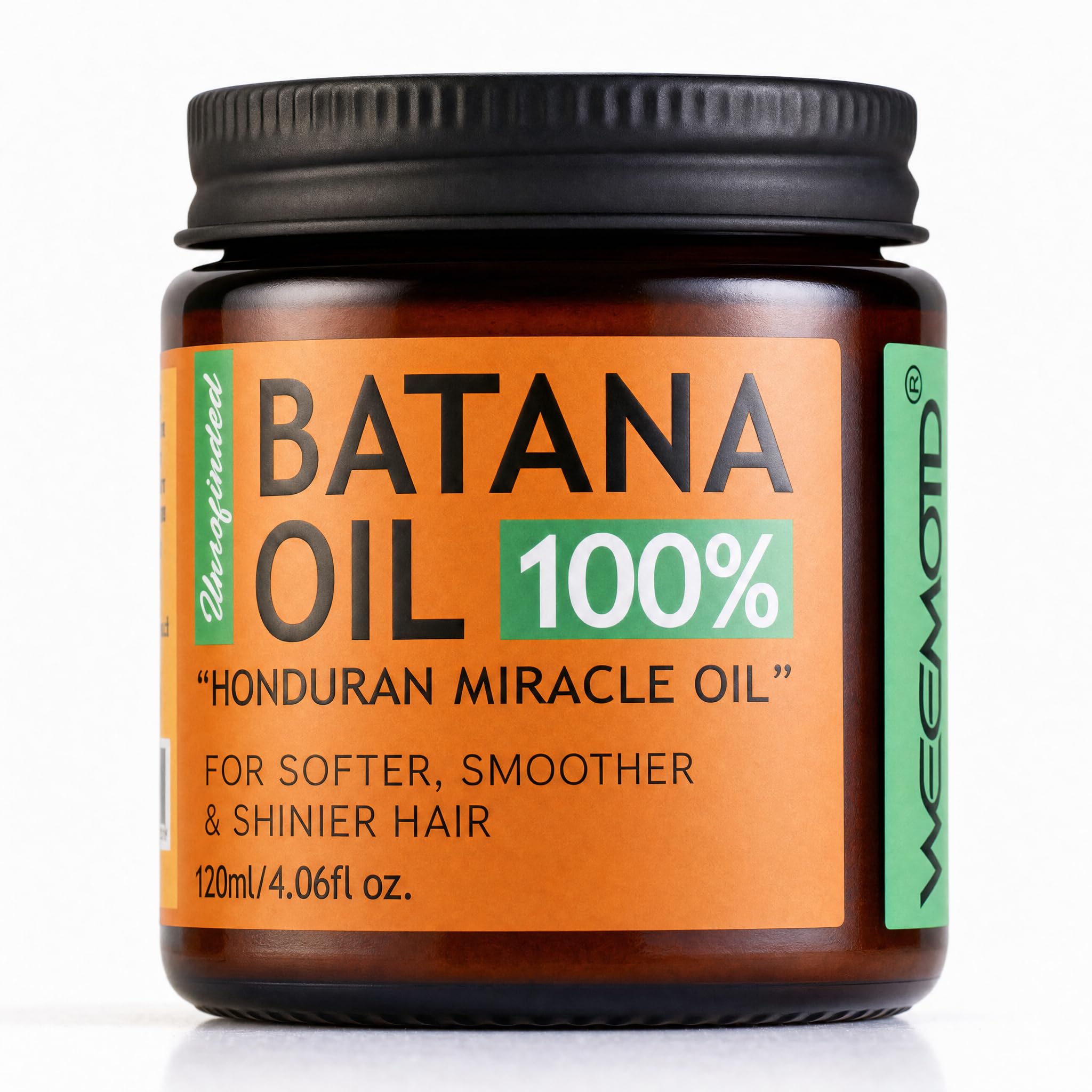
Batana oil has been circulating in natural hair care circles for a while now, often framed as a miracle growth elixir from Central America. This particular offering, a 4.06 fluid ounce bottle of 100% raw oil from Honduras, markets itself as unrefined and bright coffee in color. The reality of using it is a bit more nuanced than the online chatter suggests.
The first thing you notice is the texture. This is not a light, silky oil. It’s thick, almost buttery, with a consistency closer to a heavy balm than a typical hair oil. The color is a deep, dark brown, and the scent is distinctly earthy and smoky—reminiscent of roasted coffee grounds and wood. There’s no added fragrance, so if you’re sensitive to strong natural odors, this will take some getting used to. The oil solidifies at cooler room temperatures, so you’ll often need to warm the bottle in your hands or run it under hot water before use.
In practice, a little goes a long way. Most users will find that a pea-sized amount, warmed between the palms, is enough to coat the ends and mid-lengths of their hair. It’s most effectively used as a pre-shampoo treatment or an overnight mask, left on for at least a few hours under a shower cap. Attempting to use it as a daily leave-in will likely result in greasy, weighed-down hair, especially for those with fine or thin strands. The oil is heavy, and its occlusive nature means it seals in moisture rather than adding it. For that reason, it works best on hair that has already been lightly dampened or treated with a water-based leave-in conditioner.
The functional claims around batana oil typically include strengthening, reducing breakage, and improving scalp health. From an ingredient standpoint, the oil is rich in fatty acids and antioxidants, which are generally beneficial for hair and skin. Many users report that it helps with managing frizz and adding a noticeable shine, particularly on coarse, curly, or textured hair. However, expecting dramatic new growth from any topical oil is unrealistic. What you may experience is less breakage, which over time can make hair appear thicker and longer. The oil’s ability to condition and soften the hair shaft is its most tangible benefit.
Compared to more common carrier oils like jojoba, argan, or coconut, batana is significantly heavier and slower to absorb. While argan oil is a lightweight, fast-absorbing finishing oil, batana is a deep treatment that requires a commitment of time and a willingness to deal with the greasy phase. If you’re used to the convenience of a quick pump of a light oil before heading out, this will feel like a step backward. But for those who already practice regular deep conditioning, it’s a viable, more natural alternative to commercial masks that are often packed with silicones and synthetic fragrances.
There are a few practical trade-offs to keep in mind. The packaging, while simple, isn’t the most user-friendly. A dropper top would be impractical given the oil’s thickness, but the wide-mouth jar means you have to be careful not to pour out too much. The oil can also stain fabrics and pillowcases, so it’s wise to protect your bedding when using it overnight. And as with any natural product, the extraction process can vary by batch. Some users have noted that the oil can have a slightly gritty texture if the plant material isn’t fully filtered, though this doesn’t seem to affect its performance.
Who is this for? If you have dry, damaged, or highly textured hair and you’re looking for an intensive, natural treatment to incorporate into a weekly routine, this is a solid candidate. It’s also a good option for those who prefer single-ingredient products and want to avoid the chemical cocktails found in many commercial hair masks. On the flip side, if you have fine, oily hair or you’re looking for a lightweight everyday oil, this will likely disappoint. It’s also not ideal for people who are put off by strong natural scents or who don’t have the patience for longer treatment times.
In summary, this raw batana oil delivers on its promise of being a pure, unprocessed product. It’s not a miracle cure, but it’s a legitimate, heavy-duty conditioner that can improve hair manageability and reduce breakage with consistent use. Just go in with realistic expectations and a willingness to work with its quirks.