
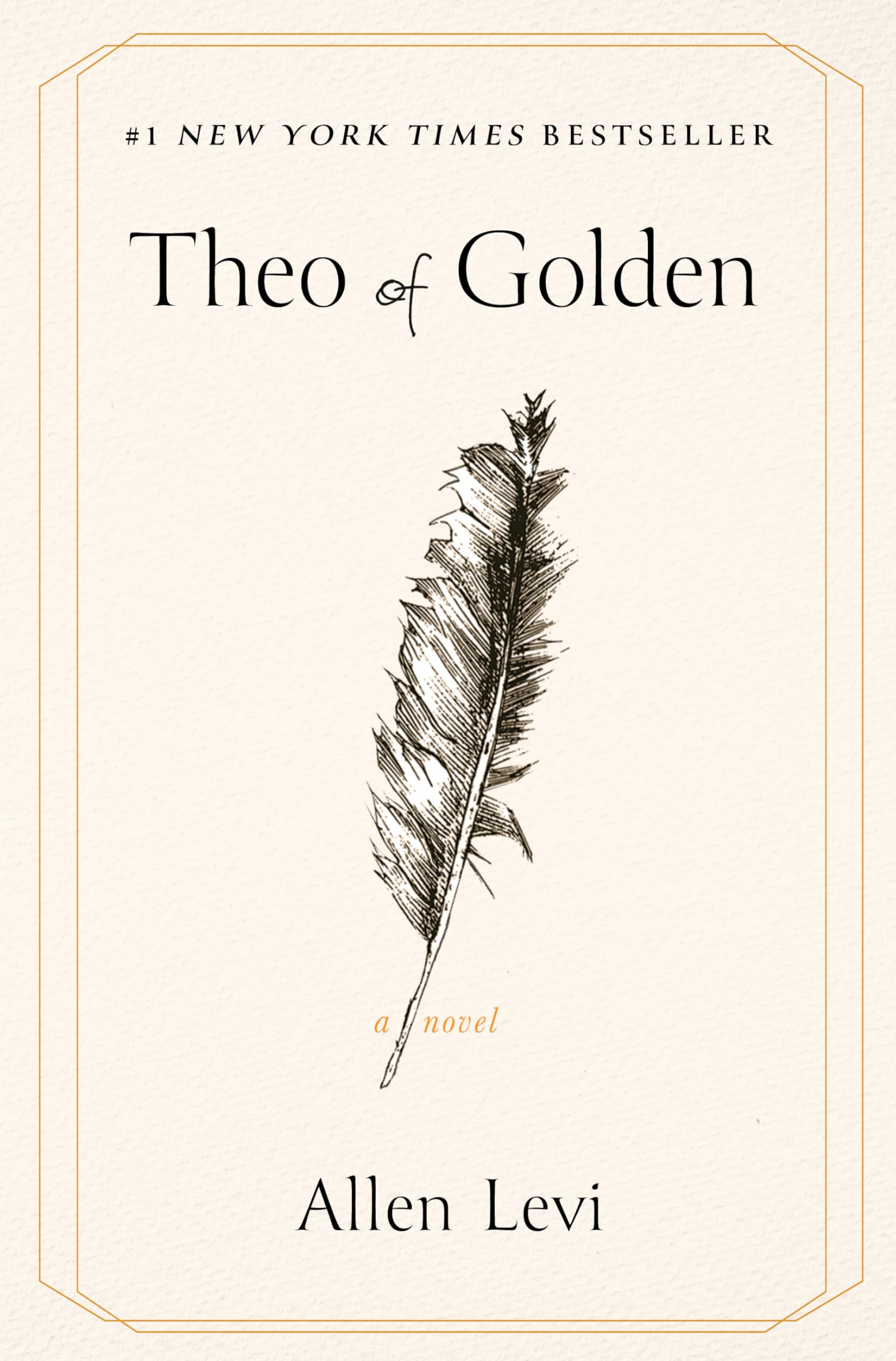
Set against the moody backdrop of the Pacific Northwest, Theo of Golden is a literary novel that follows a middle-aged man returning to his hometown after a family tragedy. The book is less about plot twists and more about quiet introspection, with long passages describing the landscape and the protagonist’s internal world. It is the kind of novel that readers pick up when they want a slow, meditative experience rather than a fast-paced thriller.
In real-world usage, this book often ends up on nightstands or in backpacks for weekend reading. Its pacing means it is not ideal for a quick commute or a short lunch break—each chapter demands a bit of time to settle into the atmosphere. Many readers report reading it in two or three sittings, savoring the prose rather than rushing through.
Key functional features of the novel include its dense, lyrical prose and a narrative structure that jumps between past and present. The author uses sensory details—rain on windows, the smell of pine, old photographs—to build a strong sense of place. The character of Theo is drawn with nuance; he is flawed, sometimes frustratingly passive, which feels realistic but may not appeal to everyone. The story is largely driven by memory and regret, with only a few key events pushing the plot forward.
One limitation worth noting is the pacing. The novel lingers on scenes that some readers might find overly descriptive or meandering. There is a extended section in the middle where Theo walks through the town for several pages, describing buildings and trees without much dialogue. For readers who prefer more action or dialogue-driven narratives, this can feel slow. Additionally, the ending is somewhat ambiguous, which may leave some wanting a more concrete resolution.
Compared to similar literary fiction, Theo of Golden sits alongside works like Kent Haruf’s Plainsong or Marilynne Robinson’s Gilead in its focus on place and quiet character work. However, it lacks the tight emotional punch of those books. The prose is competent but not as sharply evocative, and the supporting characters are less developed. It is a solid entry in the genre but not a standout.
In terms of suitability, this novel is for readers who enjoy contemporary literary fiction with a strong sense of setting and a reflective tone. It is well-suited for book clubs that like discussing motivations and symbolism, or for anyone who appreciates a slow burn. It is not suitable for readers who want a fast-moving plot, clear-cut endings, or high-stakes drama. Those looking for a mystery or a romance will find little here.
Overall, Theo of Golden delivers what it promises: a thoughtful, atmospheric novel about loss and return. It is not groundbreaking, but it is a competent and earnest work that will find its audience among patient readers who value mood over momentum.