
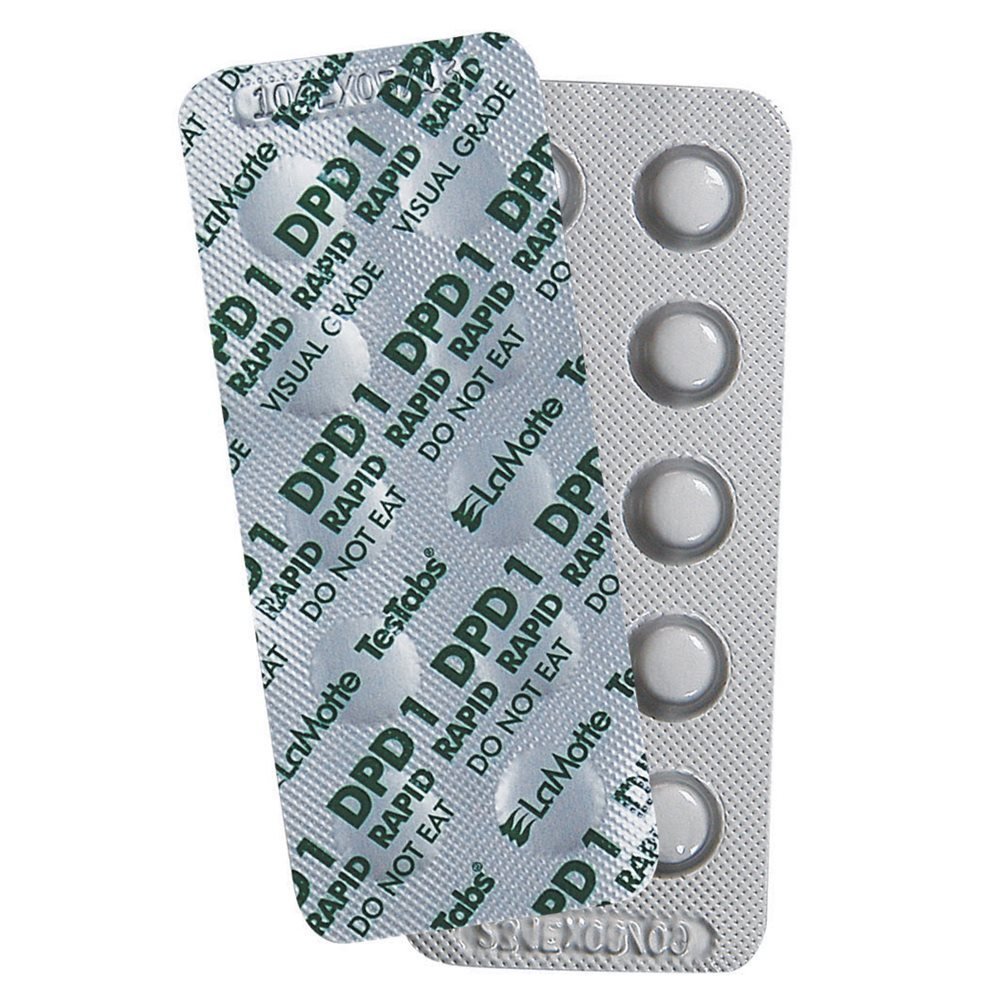
When it comes to maintaining a pool or spa, testing chlorine levels is a non-negotiable chore. The LaMotte 6999A Chlorine DPD #1 RAPID TesTabs are a specific tool in that routine, offering a tablet-based method for measuring free chlorine. I’ve spent a few weeks using these alongside my regular testing kit, and there’s more to them than just dropping a pill in a water sample.
These tablets are designed for use with a color comparator—typically a small plastic block with a viewing tube. You fill the tube with your water sample, drop in one tablet, cap it, and shake. The tablet dissolves quickly, turning the water a shade of pink. The intensity of that pink corresponds to the chlorine concentration, which you match against a color standard. It sounds straightforward, and it mostly is. The ‘RAPID’ in the name is earned; the tablet dissolves faster than some other DPD formulations I’ve used, which is a small but meaningful convenience when you’re testing multiple pools in a day.
For the uninitiated, DPD #1 refers specifically to free chlorine—the active, sanitizing form—as opposed to combined chlorine or total chlorine. That distinction matters if you’re trying to troubleshoot a persistent odor or irritation issue, because free chlorine is what does the actual cleaning. LaMotte packages these in a 100-count bottle, which is a decent supply for a single pool owner, but it’s also a common choice for service professionals who go through tablets quickly.
One thing I appreciate is the consistency of the tablets. They’re scored and break cleanly if you need a half-dose for a smaller sample, though the instructions assume a standard 10 mL sample. The color development is stable enough that you don’t have to rush to read the result, which is a practical advantage over liquid reagents that can fade or drift. The tablets also have a long shelf life if you keep the bottle tightly sealed, and they don’t have the same spill risk as liquid DPD—a minor but real benefit for anyone who’s ever knocked over a bottle of reagent in a garage.
However, there are trade-offs. The biggest limitation is the reliance on a comparator. If you don’t already own a LaMotte color comparator or a compatible test kit, these tablets are essentially useless on their own. You can’t just eyeball the color and get a reliable number. The color matching is also subjective—what looks like 1.0 ppm to one person might look like 1.5 to another. For a pool owner who just needs a ballpark “is it safe to swim?” reading, that’s fine. But if you’re trying to fine-tune a salt chlorine generator or troubleshoot a stubborn algae problem, the granularity of a visual test may leave you wanting more precision.
Compared to test strips, these tablets are more accurate and less prone to the “reading the strip too early or too late” problem. Strip colors can vary wildly based on lighting and timing, and I’ve found the tablet method to be more forgiving. On the other hand, strips are cheaper per test and don’t require a separate comparator, making them a more accessible entry point for a casual pool owner. Digital photometers are the gold standard for precision, but they’re a significant investment and arguably overkill for someone who just wants to confirm their chlorine level is in range before a weekend swim.
Who is this product for? I’d say it suits a pool or spa owner who already has a LaMotte kit or is willing to buy one, and who prefers a reagent-based test over strips for its reliability. It’s also a solid choice for a small commercial operation, like a hotel or gym pool, where you need consistent results without the cost of a digital meter. But if you’re on a tight budget, or you’re just starting out and don’t want to commit to a comparator system, you might be better served by strips or a simple liquid test kit.
One more note: the bottle is a classic amber plastic with a child-resistant cap, which is good for safety but can be a bit stiff for arthritic hands. I also wish LaMotte would print the lot number and expiration date in a more prominent spot—it’s there, but easy to miss if you’re not looking.
Overall, the LaMotte 6999A TesTabs are a competent, no-nonsense product. They won’t dazzle you with features, and they won’t turn you into a water chemistry expert overnight. But they do what they claim: they give you a quick, reasonably accurate free chlorine reading, provided you have the right equipment. For anyone already invested in the LaMotte system, these are a sensible refill. For everyone else, consider whether the comparator requirement fits your testing style before committing.