
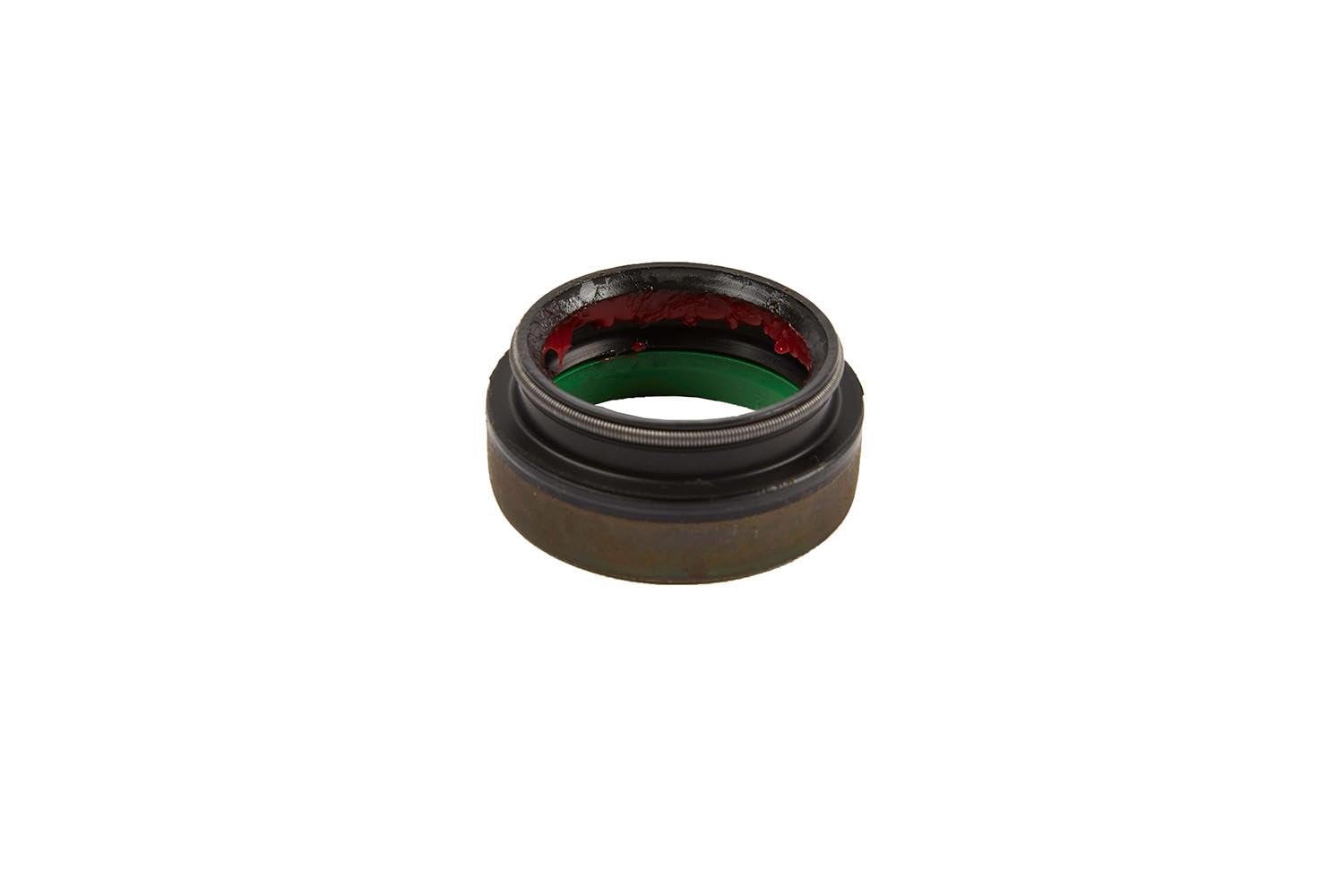
The 19206322 seal is one of those parts most drivers never think about until a thin line of fluid starts appearing under the middle of the vehicle. It is the intermediate drive shaft seal for the transfer case on a range of GM trucks and SUVs, and it sits in a spot where a small leak can quietly turn into a larger problem. This is a review of what the part is, where it fits, and whether the OEM route makes sense compared with the alternatives.
In practice, this seal is used during transfer case repair or rebuild work, most often when a technician or a capable home mechanic has the case open or the intermediate shaft accessible. It is a radial lip seal, meaning a flexible lip rides against the rotating shaft to hold fluid in while keeping dirt out. The seal presses into the case housing, and the lip contacts the shaft surface. That basic design is decades old and well understood, which is part of why the part is unremarkable and also why fitment matters so much.
The functional details are straightforward. The seal is a single-lip radial design with a spring-loaded lip, sized specifically for the intermediate shaft bore on the applicable transfer cases. Because it is a GM Genuine part, the dimensions and lip geometry are intended to match the original bore and shaft, which reduces the guesswork that comes with aftermarket cross-references. The elastomer compound is chosen for exposure to transfer case fluid and the temperature swings a drivetrain sees in normal use. None of this is exotic; it is the kind of part where the value is in the tolerances rather than the materials list.
Where this seal earns its place is in the fit. Aftermarket seals are often functionally fine, but the cross-reference game can be frustrating. A seal that is a millimeter off in outer diameter may press in too loosely or distort when installed, and a lip that sits at the wrong height on the shaft can wear a groove or leak early. Buyers who have been burned by a generic seal that seeped within a few thousand miles tend to gravitate toward the OEM part for this reason. It is also the seal a dealer technician would install, which matters if the repair is being done under warranty or if the vehicle is being kept close to stock.
There are trade-offs. The most obvious is price. A GM Genuine seal typically costs more than a comparable aftermarket radial lip seal from a reputable bearing and seal manufacturer, and in many cases the aftermarket part will perform just as well. For a high-volume shop doing several transfer case jobs a month, the cost difference adds up, and some shops standardize on aftermarket seals for that reason. There is also the availability question: OEM parts can be back-ordered, and a vehicle sitting on a lift waiting for a seal is a real inconvenience. Finally, the seal itself does nothing to address a worn shaft. If the intermediate shaft has a visible groove or scoring where the lip rides, a new seal will not fix the leak, and that is a limitation of the part category, not this specific item.
Compared with aftermarket seal options, the GM part sits at the conservative end of the spectrum. Aftermarket seals from established seal makers are usually the value pick, and many independent drivetrain shops use them without issue. The OEM seal is the low-risk pick, particularly for someone who is doing the job once and does not want to revisit it. A third option, a seal-and-sleeve kit, addresses shaft wear that neither a plain OEM nor a plain aftermarket seal can solve, and it is worth considering if the shaft surface is marginal.
Who is this for? It suits the owner or technician working on a GM truck or SUV transfer case who wants a direct-fit part with no cross-referencing, especially on a vehicle that is otherwise stock and being maintained to factory spec. It also makes sense for someone doing a single repair who values the reduced risk of a comeback over the price difference. Who is it not for? High-volume shops watching margins, anyone with a scored intermediate shaft who needs a sleeve rather than a seal, and budget-conscious DIYers who are comfortable verifying dimensions against a reputable aftermarket seal. Realistic expectations matter here: this is a wear item that will eventually seep again, and its service life depends heavily on shaft condition, fluid condition, and installation care. Pressed in squarely and paired with a clean shaft, it should do its job for a long stretch of normal driving. Installed crooked or over a worn shaft, it will leak regardless of the brand on the packaging.