
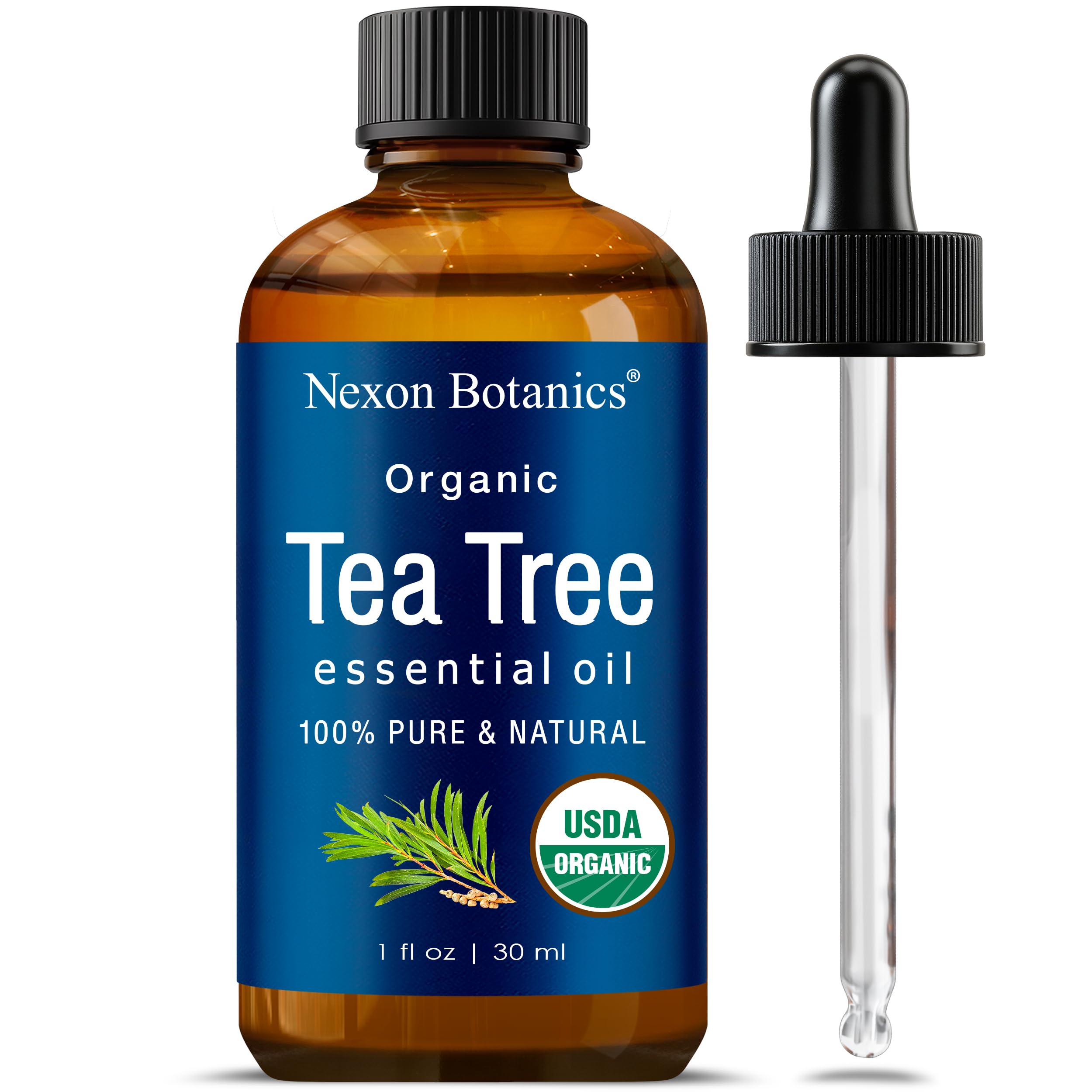
Tea tree oil is one of those staples that many people keep in their bathroom cabinet, often without thinking too much about the source or quality. This 30 ml bottle of organic tea tree essential oil claims to be 100% pure, natural, and hexane-free—a set of descriptors that sound good on paper but warrant a closer look. In this review, we examine what the product actually offers, where it fits in real-world use, and where it might fall short.
What you get and how it’s made
The product is a 30 ml amber glass bottle of tea tree (Melaleuca alternifolia) essential oil. The label states it is organic, 100% pure, and extracted without hexane—a solvent sometimes used in lower-grade essential oils. While hexane-free extraction is a plus for those concerned about residue, it’s worth noting that tea tree oil is typically steam-distilled, so hexane-free is more of a reassurance than a differentiator. The organic claim is also difficult to verify without certification details, which aren’t provided on the label. That said, the oil has a characteristic medicinal, camphor-like scent that is neither overly harsh nor synthetic-smelling, suggesting reasonable quality.
Real-world usage
In practice, tea tree oil is versatile but requires dilution. A few drops in a carrier oil (like jojoba or coconut) can be used for spot treatments on blemishes, minor skin irritations, or as a scalp treatment for dandruff. Mixed with water in a spray bottle, it’s a common choice for refreshing household surfaces or gym equipment. Some people add it to diffusers for its purifying aroma, though the scent is strong and can be polarizing. The 30 ml size is generous for occasional use—tea tree oil is potent, so a little goes a long way. Expect the bottle to last several months even with regular use.
Performance and limitations
As an essential oil, tea tree’s effectiveness depends on proper use. For spot treatments, it can help reduce the appearance of blemishes, but it’s not a miracle worker—results are gradual and vary by skin type. The oil is also known for its cleansing properties, but it should never be applied undiluted to skin, as it can cause irritation. One limitation is the lack of a dropper insert; the bottle has an open mouth, making it easy to dispense too much at once. A dropper cap would improve precision, especially for beginners. Additionally, while the 30 ml size is cost-effective, those who use tea tree oil infrequently might find a smaller bottle more practical to avoid oxidation over time.
Comparison to alternatives
Compared to conventional tea tree oils that don’t specify organic or hexane-free status, this product sits in a slightly higher tier, but without third-party certification, it’s hard to justify a significant price premium. If you’re looking for a straightforward, no-frills tea tree oil, a standard version from a reputable brand may suffice. On the other hand, if organic certification is important to you, this bottle is a reasonable option, though you might want to confirm the certifying body. For those who prefer pre-diluted products, tea tree oil blends or serums are available, but they offer less flexibility for custom dilution.
Who it’s for and who it’s not
This product is suitable for individuals who are comfortable diluting essential oils and want a versatile, multi-purpose oil for skin, home, and personal care. It’s also a good choice for those who prioritize organic and hexane-free claims, even if they come with some ambiguity. However, it’s not ideal for anyone expecting a ready-to-use solution—tea tree oil requires carrier oils and careful handling. Those with sensitive skin should patch-test first, and anyone looking for a pleasant, perfume-like scent will likely find tea tree’s medicinal aroma off-putting. Also, if you’re new to essential oils, a smaller bottle with a dropper might be a better starting point.
Final thoughts
Overall, this organic tea tree essential oil is a solid, functional product that does what it says, with a few caveats. The purity claims are reassuring but not fully substantiated, and the packaging could be more user-friendly. It’s a practical choice for those who already use tea tree oil regularly and appreciate the organic designation, but it’s not a standout that justifies going out of your way for. As with any essential oil, realistic expectations and proper dilution are key to getting the most out of it.