
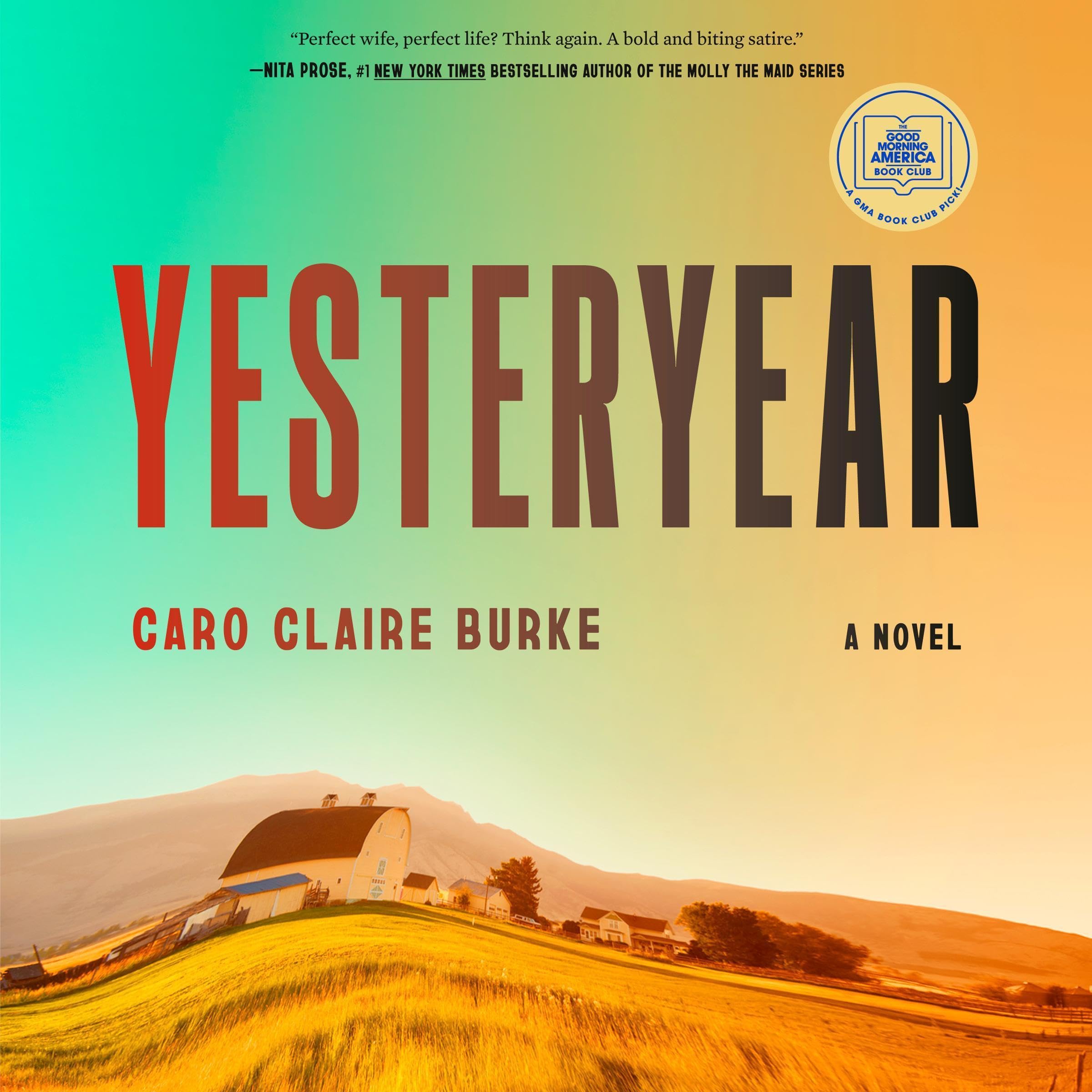
When I first picked up Yesteryear, the GMA Book Club Pick, I expected a straightforward historical fiction novel. What I got was something that attempts to weave together two timelines—a modern-day journalist investigating a century-old mystery and the lives of characters in early 1900s small-town America. The premise is compelling, but the execution has some notable trade-offs that are worth discussing before you decide if this is for you.
In real-world usage, this is a book you might read on a weekend getaway or during a quiet week of evenings. It’s not a quick page-turner but more of a slow-burn narrative that requires patience. The novel is structured with alternating chapters, moving between the present and the past. This dual-timeline approach is a key functional feature, allowing the author to explore how history echoes into the present. However, it also means the pacing can feel uneven. The modern sections sometimes drag with introspection, while the historical segments are richer in detail but occasionally feel rushed.
One of the strengths is the atmospheric setting. The author does a decent job describing the dusty streets and the social constraints of the early 20th century. The mystery itself—involving a missing person and a hidden letter—is engaging enough to keep you going, but don’t expect any shocking twists. The resolution is more about emotional closure than a clever reveal, which may disappoint readers who prefer a tighter thriller structure.
However, there are limitations. The character development feels uneven. The modern protagonist, a journalist named Claire, is written with a certain detachment that makes her relatable but not deeply compelling. The historical characters, particularly the young woman at the center of the mystery, are more vivid, but their arcs are sometimes cut short by the alternating chapters. This is a trade-off: you get breadth of perspective but lose depth in individual stories.
Compared to other book club picks like The Nightingale or Where the Crawdads Sing, Yesteryear lacks the same emotional punch. Those novels immerse you fully in a single time period, while this one splits its attention. It’s similar in structure to works like The Art of Hearing Heartbeats, but without the lyrical prose that made that book memorable. If you’re looking for a pure historical drama, you might find the modern framing unnecessary.
Who is this for? It’s suitable for readers who enjoy gentle mysteries with a literary bent, those who like stories about family secrets, and anyone curious about how the past shapes identity. It’s also a good choice for book clubs because the dual timelines offer plenty of discussion points about memory, legacy, and storytelling itself.
Who is it not for? If you prefer fast-paced plots or clear-cut genres, this may feel too meandering. Readers who dislike unresolved subplots or ambiguous endings should be aware that some threads are left open. Also, if you’re sensitive to slow openings—the first 50 pages are mostly setup—you might find it hard to get invested.
Overall, Yesteryear is a competent but not extraordinary novel. It does what a book club pick should do: it sparks conversation. But as a standalone reading experience, it’s more of a pleasant diversion than a must-read. If you’re in the mood for a reflective story that doesn’t demand too much, this could work. Just don’t expect it to linger in your mind long after you finish the last page.