
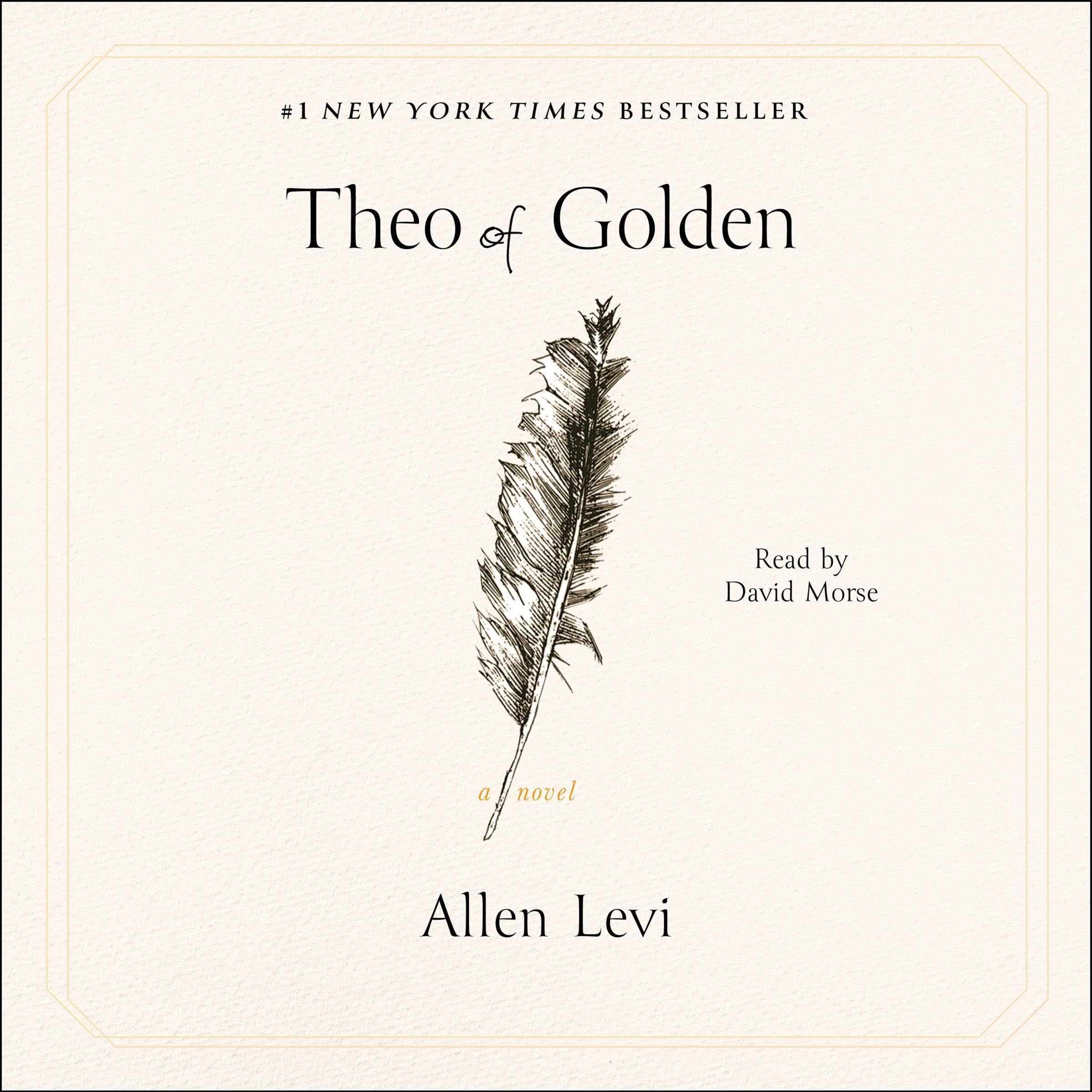
Theo of Golden is a novel that seems to have found a modest but dedicated readership since its release. It tells the story of Theo, a man living in the small Colorado town of Golden, and his navigation of family, memory, and the weight of a past he can’t quite leave behind. The book is often described as literary fiction, and that label fits: it prioritizes atmosphere and interiority over fast-moving plot. If you’re looking for a thriller or a page-turner, this probably isn’t your next read. But for those who appreciate a slower, more reflective narrative, it has something to offer.
In real-world usage, this novel tends to be picked up by readers who enjoy quiet, character-driven stories. It’s the kind of book you might read over a few evenings, with a cup of tea, rather than something you devour in one sitting. The pacing is deliberate, and the prose is careful — sometimes to a fault. The author clearly has an eye for detail, especially when describing the Colorado landscape. The mountains, the light, the small-town streets: these elements are rendered with a precision that grounds the story. But that same attention to detail can occasionally slow the narrative down, making certain passages feel more like scene-setting than forward momentum.
Key functional features of the novel include its strong sense of place and its layered character development. Theo is not a hero in any conventional sense. He is flawed, sometimes frustratingly passive, and his choices — or lack thereof — drive much of the tension. The supporting characters, including his estranged brother and a local historian he befriends, feel real and unglamorous. The dialogue is natural, often understated, which adds to the overall authenticity. The book also handles themes like grief and regret without becoming melodramatic, which is a strength.
However, there are trade-offs. The novel’s commitment to realism means that certain plot threads resolve ambiguously. Some readers may find this frustrating, especially if they prefer clearer conclusions. The middle section, in particular, drags a bit. There’s a subplot involving a historical mystery that feels promising but never quite delivers the payoff it seems to be building toward. It’s not a fatal flaw, but it does make the reading experience uneven. Compared to other literary fiction in this vein — say, a novel by Kent Haruf or Richard Ford — Theo of Golden lacks some of the emotional punch that those writers achieve with similar tools. It’s competent and well-crafted, but it doesn’t quite reach the same level of resonance.
When placed against a broader category of contemporary literary fiction about small-town life, this novel holds its own in terms of prose quality but falls a bit short in narrative momentum. Books like Plainsong or Olive Kitteridge manage to weave multiple stories together with more economy and impact. Theo of Golden is more singularly focused on its protagonist, which can feel intimate but also limiting. The world of the novel feels slightly narrow as a result.
Who is this suitable for? Readers who enjoy meditative, place-based fiction will likely appreciate it. If you like novels where the setting feels like a character in itself, and you’re patient with a slow burn, this could be a satisfying read. It’s also a good pick for book clubs that want to discuss themes of family and identity without a heavy plot to wade through. On the other hand, it is not suitable for readers who need high stakes, fast pacing, or a strong central conflict. Those looking for a story with a clear arc and a definitive ending may find themselves underwhelmed.
Overall, Theo of Golden is a solid entry in the literary fiction genre. It does what it sets out to do: tell a quiet, honest story about a man and his place in the world. It’s not groundbreaking, and it has its dull stretches, but the writing is sincere and the sense of place is strong. If you go in expecting a modest, character-driven novel rather than a sweeping saga, you’ll likely find it worthwhile.