
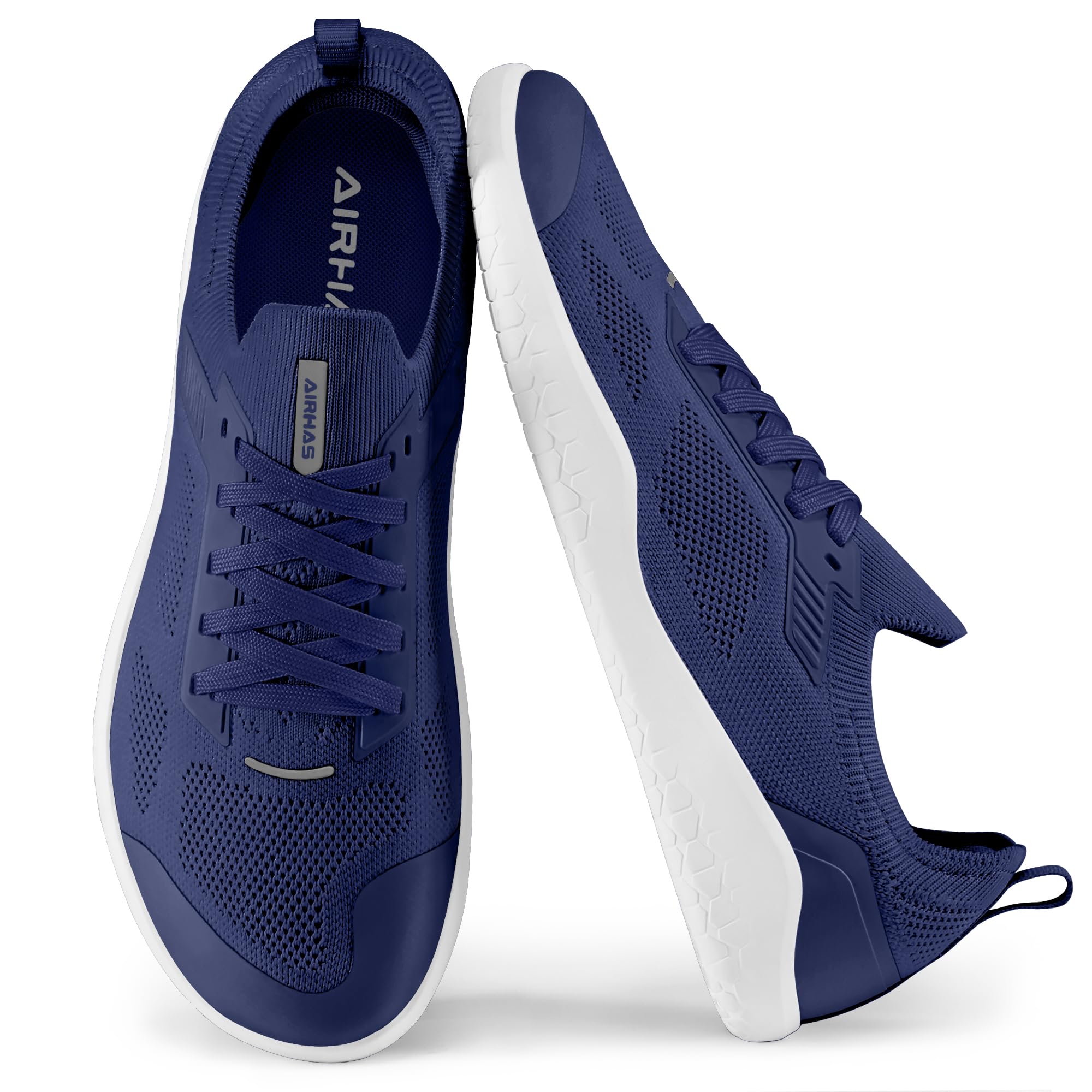
Barefoot-style shoes have moved from niche running circles into mainstream gyms, and this pair from an unnamed brand aims to bring zero-drop, minimalist construction to women’s workouts at a budget-friendly price. We spent time with the navy 7.5 to see how they handle typical gym tasks and where they fall short.
Unlike traditional athletic sneakers with thick, cushioned soles and elevated heels, these shoes place the foot flat and close to the ground. The idea is to encourage a more natural stance and allow the foot to move as it would barefoot, which can be beneficial for certain types of training. The upper is a knit mesh that breathes well, and the outsole is a thin, flexible rubber with a subtle tread pattern. A wide toe box lets toes splay, and the overall weight is minimal—noticeably lighter than most cross-trainers.
In practice, these shoes shine for activities that reward stability and ground feel. During strength work—squats, deadlifts, lunges—the firm, flat platform provides a solid base. The lack of cushioning means you feel the floor directly, which can help with balance and proprioception. The wide toe box accommodates foot swelling during longer sessions and reduces pressure on the toes. For bodyweight exercises like push-ups or planks, the flexible sole allows natural foot articulation. They’re also convenient for gym-to-street transitions, though the thin sole means you’ll feel every pebble.
However, the same features that make them great for lifting become drawbacks elsewhere. The minimal cushioning offers little shock absorption for high-impact activities. Jumping, plyometrics, or running will send vibrations through your legs, and most users will want more support for those. The thin outsole also wears faster if used on rough surfaces; expect limited durability if you wear them outdoors regularly. The knit upper, while breathable, provides minimal lateral support, so they’re not ideal for activities requiring quick side-to-side movements like tennis or basketball.
Compared to a dedicated weightlifting shoe with a raised heel, these lack the heel lift that can help with squat depth and ankle mobility. They’re closer to a minimalist running shoe or a barefoot trainer, but without the specialized features of either. If you’re used to cushioned sneakers, the transition to zero drop can be jarring; it’s wise to ease into wearing them to avoid calf or Achilles strain.
Who should consider these? They suit women who prioritize ground feel and stability for strength training, who prefer a wide toe box, or who are curious about minimalist footwear. They’re also a good choice for those who want a dedicated gym shoe that won’t break the bank. Who should avoid them? Anyone who does a lot of running, jumping, or high-impact work, or who needs arch support or cushioning for foot conditions. They’re also not recommended for those new to barefoot shoes who aren’t willing to adapt gradually.
In summary, these shoes offer a no-frills entry into barefoot-style training. They perform well for their intended use—lifting and gym work—but come with trade-offs in cushioning and support. At this price point, they’re a reasonable option for the right user, provided expectations are set accordingly.