
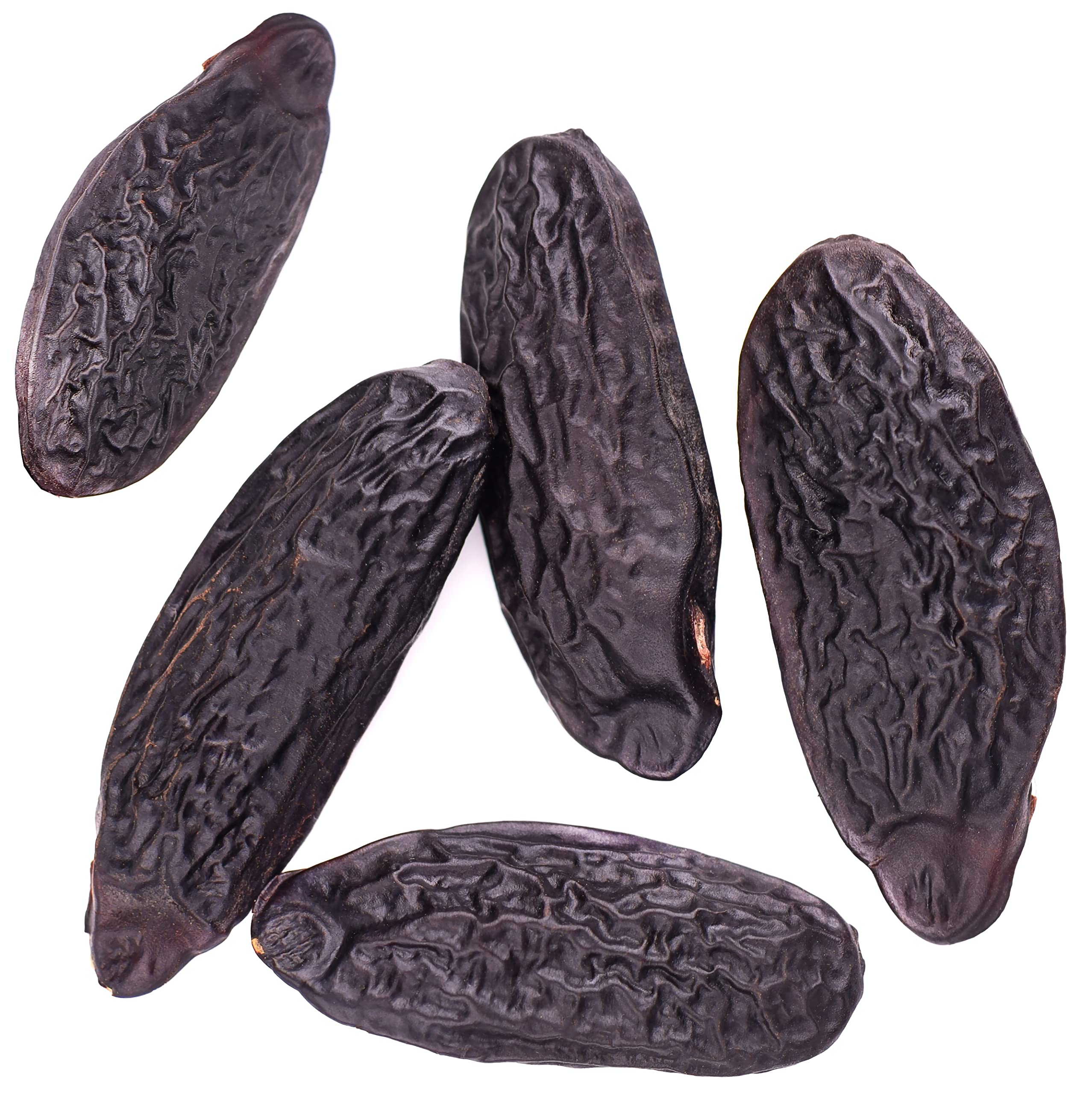
Tonka beans are the seeds of the Dipteryx odorata tree, native to South America. They have a long history in perfumery and, more recently, in high-end cuisine. This product offers five whole, raw tonka beans, marketed as premium and food-grade. In this review, we look at what tonka beans are, how they are used, and whether this particular offering is worth considering.
Tonka beans are prized for their intense aroma, which combines notes of vanilla, almond, caramel, and a hint of cherry. The key compound responsible is coumarin, which gives tonka its distinctive scent and flavor. However, coumarin is also the reason tonka beans are controversial: in large doses, it can be toxic to the liver. The U.S. FDA has banned tonka beans as a food additive since 1954, though they are legal in many other countries and are used sparingly by chefs. This product is sold as edible, but it’s crucial to understand the regulatory context and use it responsibly.
In practical terms, tonka beans are extremely versatile. They can be grated, shaved, or infused into liquids. A single bean is potent—often only a few grams are needed to flavor a dish. Common uses include desserts like custards, ice creams, and pastries; savory dishes such as sauces, braises, and even mashed potatoes; and beverages like cocktails, coffee, and hot chocolate. The flavor is complex and can elevate both sweet and savory recipes. Because of their strength, tonka beans should be used sparingly—typically, a microplane or fine grater is used to add a dusting over a dish, or the bean is steeped in a liquid and then removed.
This particular product consists of five whole tonka beans. They are described as raw and pure, with a strong fragrance. Upon inspection, the beans are typically dark, wrinkled, and hard, resembling large almonds. Their aroma is immediately noticeable—sweet, warm, and slightly spicy. The beans are whole, which is preferable because pre-ground tonka loses its aroma quickly. Whole beans can be stored in an airtight container in a cool, dark place for months, and they can be grated as needed. The fact that they are whole also allows you to control the amount used, which is important given their potency.
One limitation is the variability in size and quality. Natural products like tonka beans can vary in coumarin content and aroma intensity from bean to bean. Some may be drier or less fragrant. This is not necessarily a defect but a characteristic of a natural product. Another consideration is the price. Tonka beans are not cheap, and five beans may seem like a small quantity, but given that each bean can flavor multiple dishes, it’s a reasonable amount for a home cook who uses them occasionally. However, if you plan to use them frequently, you might need to repurchase often.
Compared to vanilla beans, tonka beans offer a similar but more complex flavor profile. Vanilla is more straightforward and universally accepted, while tonka adds an exotic, almost perfumed quality. Tonka is also more potent, so less is needed. However, vanilla is not associated with the same health concerns, making it a safer choice for regular use. Another alternative is using tonka extract or tonka sugar, which are more convenient but often contain additives and may be less aromatic than freshly grated whole beans.
Who is this for? Adventurous home cooks and professional chefs who are curious about unique flavors and are willing to use tonka beans responsibly. It’s also suitable for those who enjoy molecular gastronomy or want to experiment with ingredients that are not mainstream. However, it is not for anyone who is risk-averse about food safety, pregnant women, or those with liver conditions. It’s also not for people who expect a simple, drop-in replacement for vanilla—tonka requires a bit of knowledge and restraint. And it’s certainly not for anyone who might be tempted to use large amounts; moderation is key.
In terms of value, this product delivers what it promises: whole, fragrant tonka beans. The packaging is minimal, which is fine, but ensure they arrive in good condition. If you’re new to tonka, start with a single bean and experiment. Grate a tiny amount over ice cream or into a sauce, and see how it transforms the dish. Just remember: a little goes a long way. For the right user, these beans can be a fascinating addition to the pantry. For others, they may be an unnecessary risk. Ultimately, it’s a niche ingredient that rewards careful handling.