
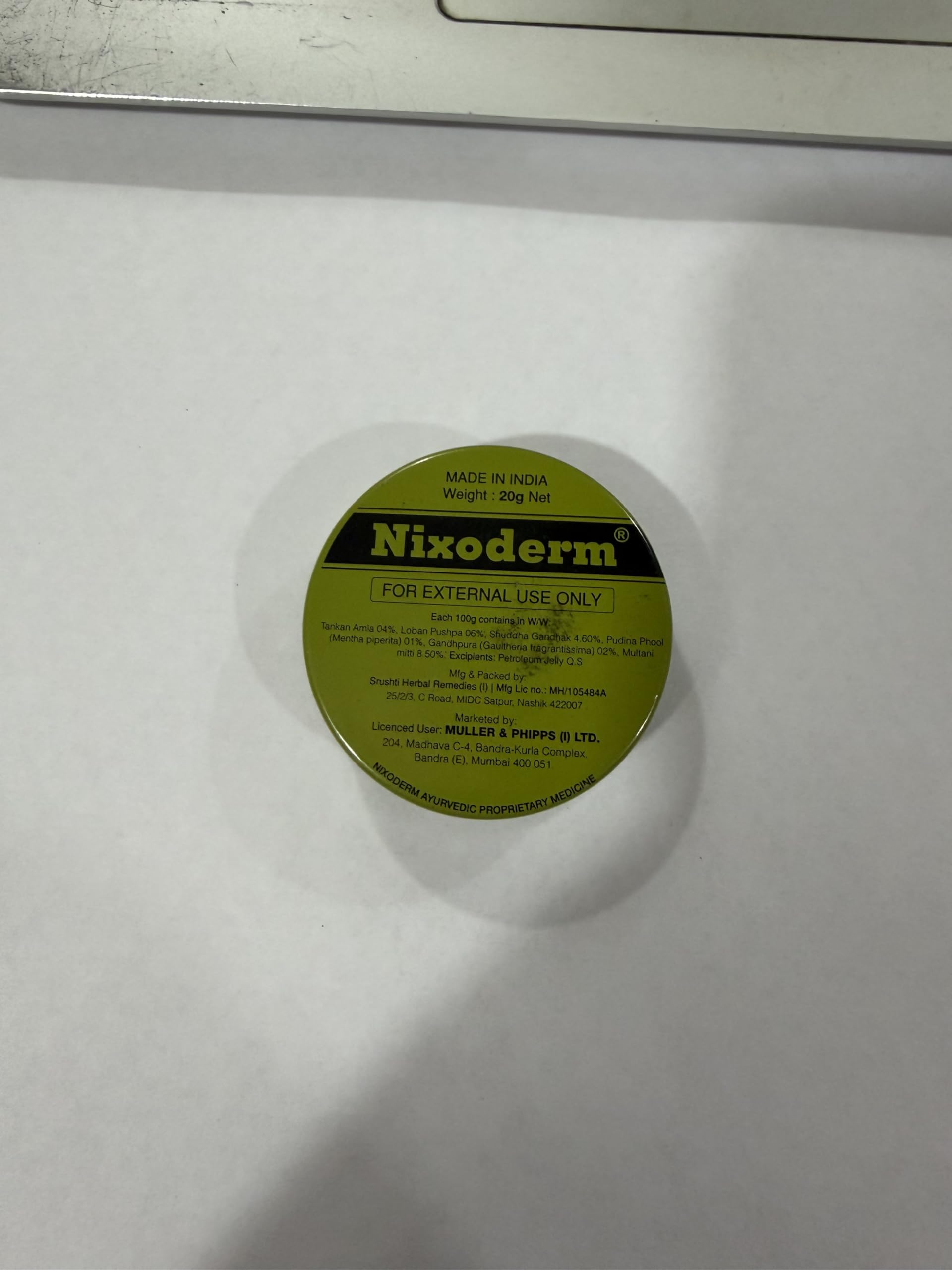
Nixoderm is a topical ointment that has been around for decades, often found in Southeast Asian pharmacies and passed down through word of mouth. It’s marketed for a range of skin issues, from acne and blemishes to minor rashes and insect bites. But does it live up to its reputation? This review takes a closer look at what Nixoderm actually is, how it’s used, and where it fits in a modern skincare routine.
The product comes in a small jar or tube, typically containing a thick, yellowish ointment with a distinct medicinal smell. The active ingredients usually include sulfur, resorcinol, and phenol, though formulations can vary by region. These components have been used for years in dermatology for their keratolytic, antiseptic, and anti-inflammatory properties. Sulfur helps dry out oily skin and exfoliate dead cells, resorcinol aids in peeling and reducing discoloration, and phenol provides a mild numbing effect and antiseptic action. Together, they target issues like acne, blackheads, and minor skin infections.
In real-world use, Nixoderm is typically applied as a spot treatment rather than all over the face. A small amount is dabbed onto the affected area, often at night, and left on for several hours or overnight. Some users also apply it to insect bites or minor cuts to prevent infection. Because of its strong action, it’s not meant for daily use on large areas, and caution is advised for sensitive skin. The ointment can stain fabrics and has a noticeable odor, so it’s best used when you’re not going out immediately.
When it comes to performance, Nixoderm can be effective for occasional pimples and oily skin, but it’s not a miracle cure. It may cause dryness, peeling, and redness, especially if overused. Those with sensitive or dry skin should patch-test first. It’s also not a substitute for a comprehensive acne treatment plan; for persistent acne, a dermatologist-prescribed regimen is more appropriate. Compared to modern spot treatments containing salicylic acid or benzoyl peroxide, Nixoderm is harsher and less elegant, but it’s also inexpensive and widely available. It’s a bit of a blunt instrument—effective in some cases but not gentle.
Who is it for? Nixoderm might suit someone looking for a low-cost, traditional remedy for occasional breakouts or minor skin irritations. It’s not ideal for those with sensitive skin, eczema, or rosacea, as it can exacerbate these conditions. It’s also not recommended for use on broken skin or large areas of the body. Pregnant women and children should consult a doctor before use due to the phenol content.
In summary, Nixoderm is a product with a long history and a specific niche. It’s not a sophisticated skincare solution, but it can be handy for targeted treatment of minor skin issues. Just manage expectations and use it sparingly.