
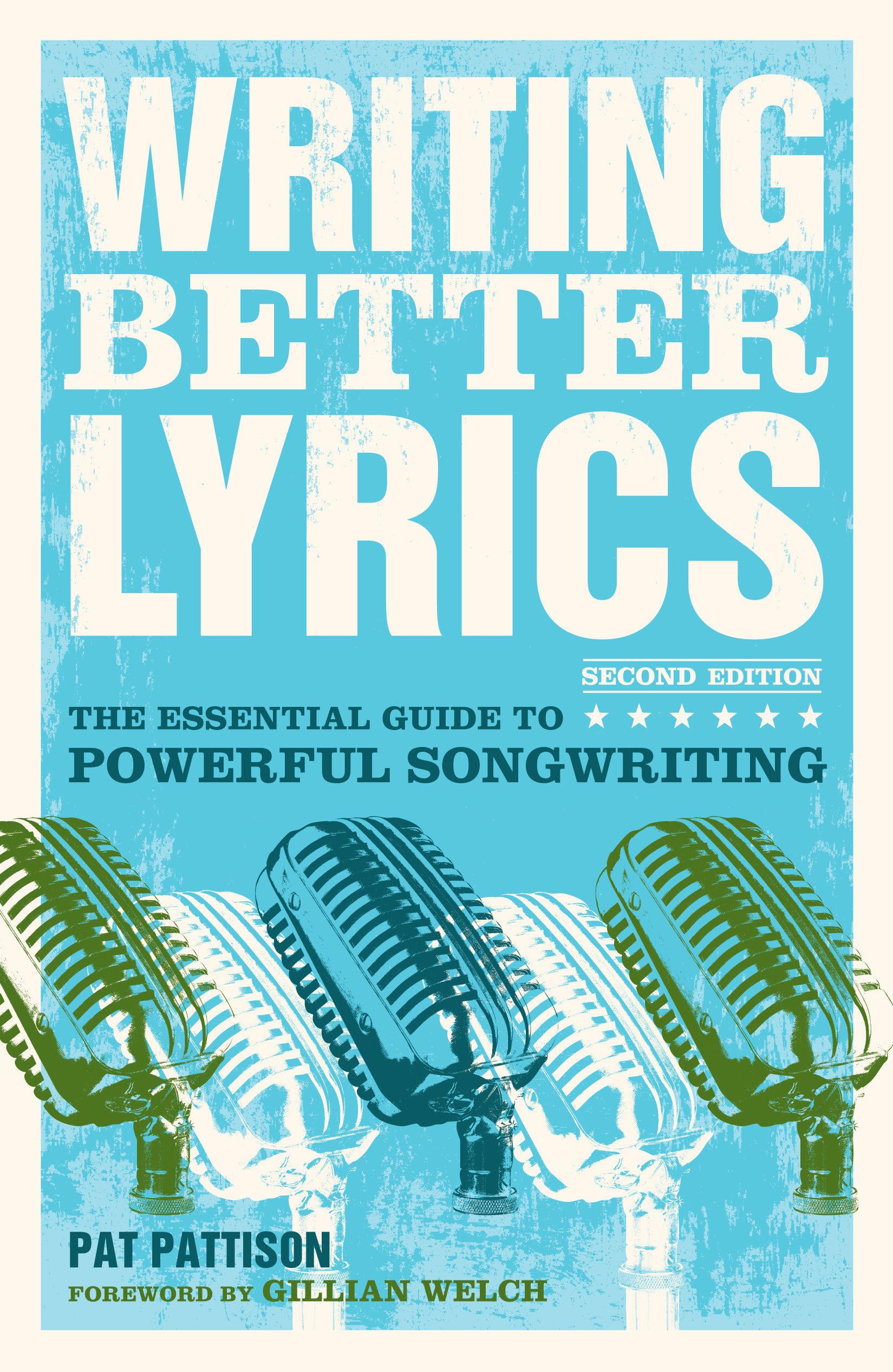
Pat Pattison’s Writing Better Lyrics has been a staple in songwriting circles for years, often recommended in workshops and college courses. Now in its third edition, the book aims to help lyricists move beyond intuitive writing and develop craft through deliberate practice. But does it hold up for today’s songwriter? This review examines its content, strengths, and limitations to help you decide if it’s worth your time.
The book is structured as a progression from basic principles to more advanced techniques. Early chapters focus on object writing—a daily exercise to generate vivid sensory language—and the importance of showing rather than telling. Pattison then introduces concepts like the “playground” of metaphor, the role of prosody (how words and music interact), and the use of rhyme and rhythm as tools for emphasis. Later sections cover point of view, tense, and the effective use of repetition. Each chapter ends with exercises, making it a workbook as much as a reference.
In real-world usage, Writing Better Lyrics is typically not a book you read once and shelve. Songwriters often keep it nearby during writing sessions, using the exercises to break through blocks or to refine drafts. For example, the object writing practice—spending ten minutes describing a single object using all five senses—is a common warm-up for many writers. The book’s emphasis on prosody is particularly useful for those who write melodies first and lyrics second, as it teaches how to match syllable stress with musical stress.
Key functional features include:
- Practical exercises at the end of each chapter, designed to be done repeatedly.
- Examples from well-known songs (e.g., Beatles, Joni Mitchell) to illustrate concepts.
- Chapters on metaphor and simile that go beyond cliché, offering methods to create fresh imagery.
- Discussion of prosody and how to align lyrics with melody and rhythm.
- Guidance on revision, including checklists for self-editing.
However, the book has limitations. The examples, while classic, lean heavily on older pop and folk songs. Lyricists in genres like hip-hop or contemporary R&B might find the references less relatable. The writing style is instructive but occasionally dry; it’s a textbook, not a page-turner. Also, while the exercises are valuable, they require discipline—readers looking for quick tips or inspiration may find the approach too methodical. The third edition includes some updates, but the core content remains largely unchanged from earlier versions, so owners of the second edition may not need to upgrade.
Compared to alternative resources like Songwriting Without Boundaries (also by Pattison) or The Craft of Lyric Writing by Sheila Davis, Writing Better Lyrics is more focused on exercises and less on analysis of existing lyrics. Davis’s book offers more historical context and examples, while Pattison’s is more hands-on. For those interested in a more genre-specific approach, books like How to Rap by Paul Edwards might be more suitable for hip-hop writers.
Who is this book for? It’s ideal for beginning to intermediate lyricists who want a structured approach to improving their craft. If you’re willing to do the exercises and apply the concepts, you’ll likely see progress in your writing. It’s also useful for songwriting teachers looking for a curriculum. However, it’s not for those seeking a quick read or a collection of pro tips. Advanced lyricists might find some sections too basic, and those who prefer to learn by analyzing contemporary hits might be better served by other resources.
In summary, Writing Better Lyrics is a solid, practical guide that emphasizes craft over inspiration. It won’t make you a great lyricist overnight, but it provides tools that, with consistent practice, can lead to tangible improvement. The book’s age shows in its examples, and its methodical style won’t appeal to everyone, but for the dedicated writer, it’s a worthwhile investment.