
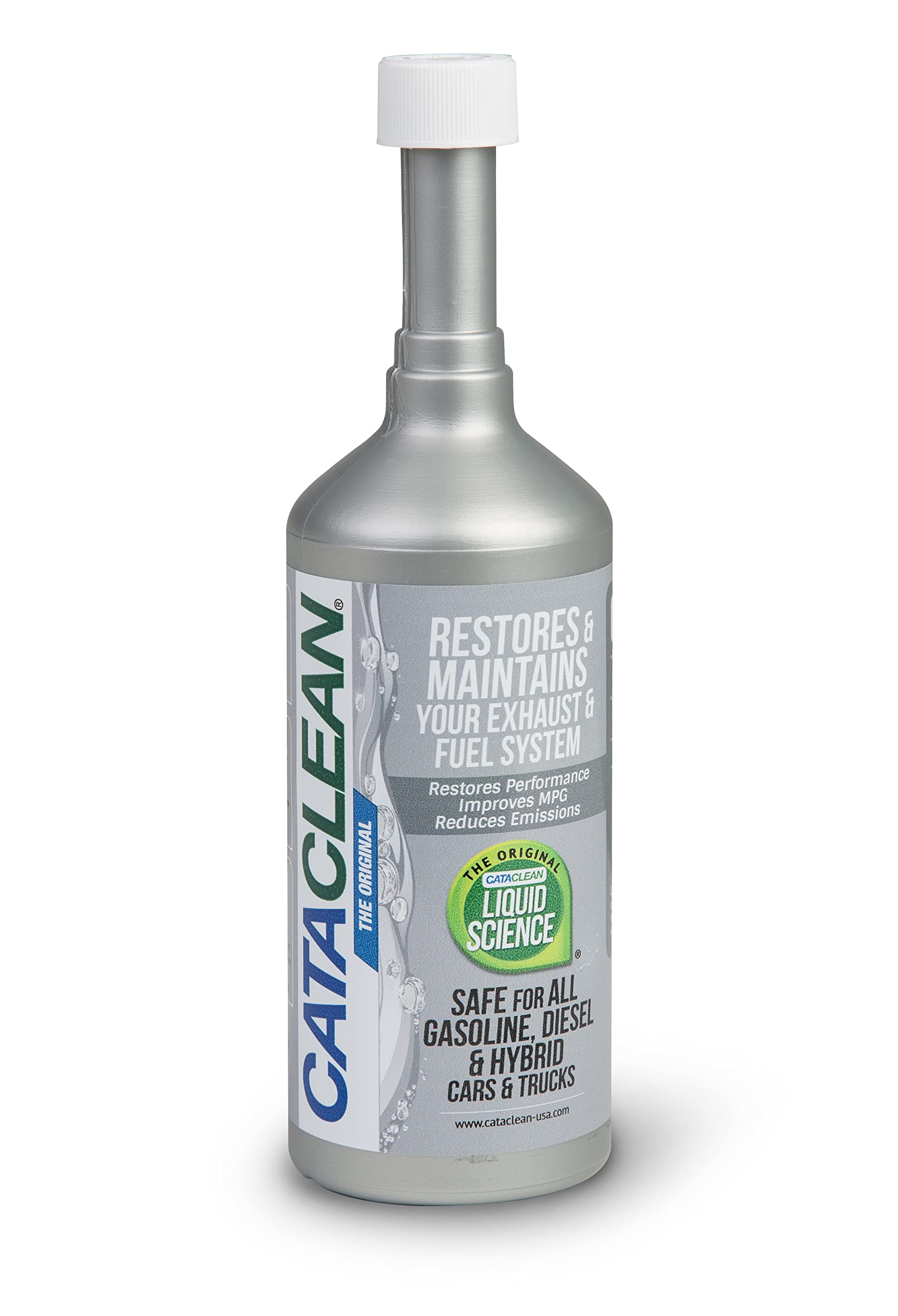
Cataclean is a 16-ounce fuel and exhaust system cleaner intended for gasoline engines. It’s marketed as a way to clean the fuel system, including fuel injectors, intake valves, and the catalytic converter, with the goal of improving performance and reducing emissions. In this review, we look at what it does, how it’s used, and where it fits in the crowded additive market.
The product is typically added to the fuel tank before refueling, following the ratio printed on the bottle (usually one bottle treats up to 15 gallons). It’s a straightforward pour-in treatment that requires no tools or special procedures. That ease of use is a big part of its appeal for DIYers and drivers looking for a low-effort maintenance step. But like any additive, it’s not a cure-all, and expectations should be tempered.
What it claims to do
Cataclean’s formula includes solvents and detergents designed to dissolve carbon deposits and other buildup in the fuel and exhaust systems. The company says it can help restore fuel economy, reduce emissions, and smooth out rough idle or hesitation. Those claims are common among fuel additives, and results can vary widely depending on the engine’s condition and how it’s been maintained.
In practice, users often turn to Cataclean when they notice a drop in fuel efficiency, a check engine light related to emissions, or before an emissions test. It’s also used as a periodic preventive measure, similar to other injector cleaners. The 16-ounce bottle is a one-time treatment, not something you add at every fill-up, so it’s less about ongoing maintenance and more about addressing a specific issue or doing a periodic deep clean.
How it’s used in the real world
The typical usage scenario is simple: when the tank is low, pour in the entire bottle, then fill up with gasoline. The additive mixes with the fuel and is carried through the fuel system, where it can act on deposits. Some users report noticeable improvements after a single treatment, especially in older, higher-mileage vehicles. Others notice little difference, which isn’t surprising—if your engine is already clean, there’s not much to remove.
It’s worth noting that Cataclean is not a substitute for proper maintenance. If you have a failing catalytic converter or severely clogged injectors, this product won’t fix those problems. It’s a cleaner, not a repair. That’s an important distinction, because some marketing language can imply otherwise.
Key features and limitations
One of the strengths is its compatibility: it’s safe for use with catalytic converters, oxygen sensors, and other emissions components, according to the manufacturer. It’s also relatively concentrated—one bottle treats a full tank, so you’re not buying multiple doses. The bottle is clearly labeled with instructions, and the process is about as foolproof as it gets.
On the downside, it’s not cheap. A single bottle typically costs $20–$30, which is more than many basic injector cleaners. Whether that’s worth it depends on your situation. If you’re trying to resolve a specific issue like a rough idle or an emissions-related check engine light, the cost might be justified. But for routine maintenance, a cheaper injector cleaner might suffice.
Another limitation is the lack of independent, peer-reviewed data on its effectiveness. Most of the evidence is anecdotal or based on the manufacturer’s claims. That’s not unusual for this category, but it means you’re taking a bit of a gamble. Some users swear by it; others see no change. It’s also not designed for direct-injection engines, where carbon buildup on intake valves is a common issue—those engines may require different treatments.
Comparison to alternatives
Compared to general-purpose fuel injector cleaners, Cataclean is positioned as a more comprehensive solution that also addresses the exhaust system. Products like Techron or Gumout focus primarily on fuel system deposits, while Cataclean adds the exhaust system cleaning claim. However, whether it actually cleans the catalytic converter effectively is debatable—once deposits are baked onto the converter, they’re notoriously difficult to remove with any additive. So while Cataclean may help prevent further buildup, it’s unlikely to reverse severe clogging.
For those dealing with emissions issues, a mechanic-recommended diagnostic and repair is usually the more reliable route. Cataclean can be a low-cost first step, but it shouldn’t delay proper repairs.
Who it’s for and who it’s not
Cataclean is best suited for drivers of older gasoline vehicles (especially those with port fuel injection) who are experiencing mild symptoms like rough idle, hesitation, or slightly reduced fuel economy, and who want to try a simple additive before pursuing more expensive repairs. It’s also a reasonable choice for someone preparing for an emissions test, as a clean fuel system can sometimes help reduce emissions.
It’s not for those with severe engine problems, direct-injection engines (where intake valve deposits are not addressed by fuel additives), or anyone expecting a miracle cure. Nor is it a replacement for regular maintenance like spark plugs, air filters, or oil changes. If you’re on a tight budget, a basic injector cleaner might be a more cost-effective option.
Overall, Cataclean is a decent product with a specific use case. It’s easy to use, compatible with emissions components, and can provide modest benefits in the right circumstances. But it’s not a magic bullet, and its higher price and lack of robust independent testing mean it’s worth considering carefully before buying.