
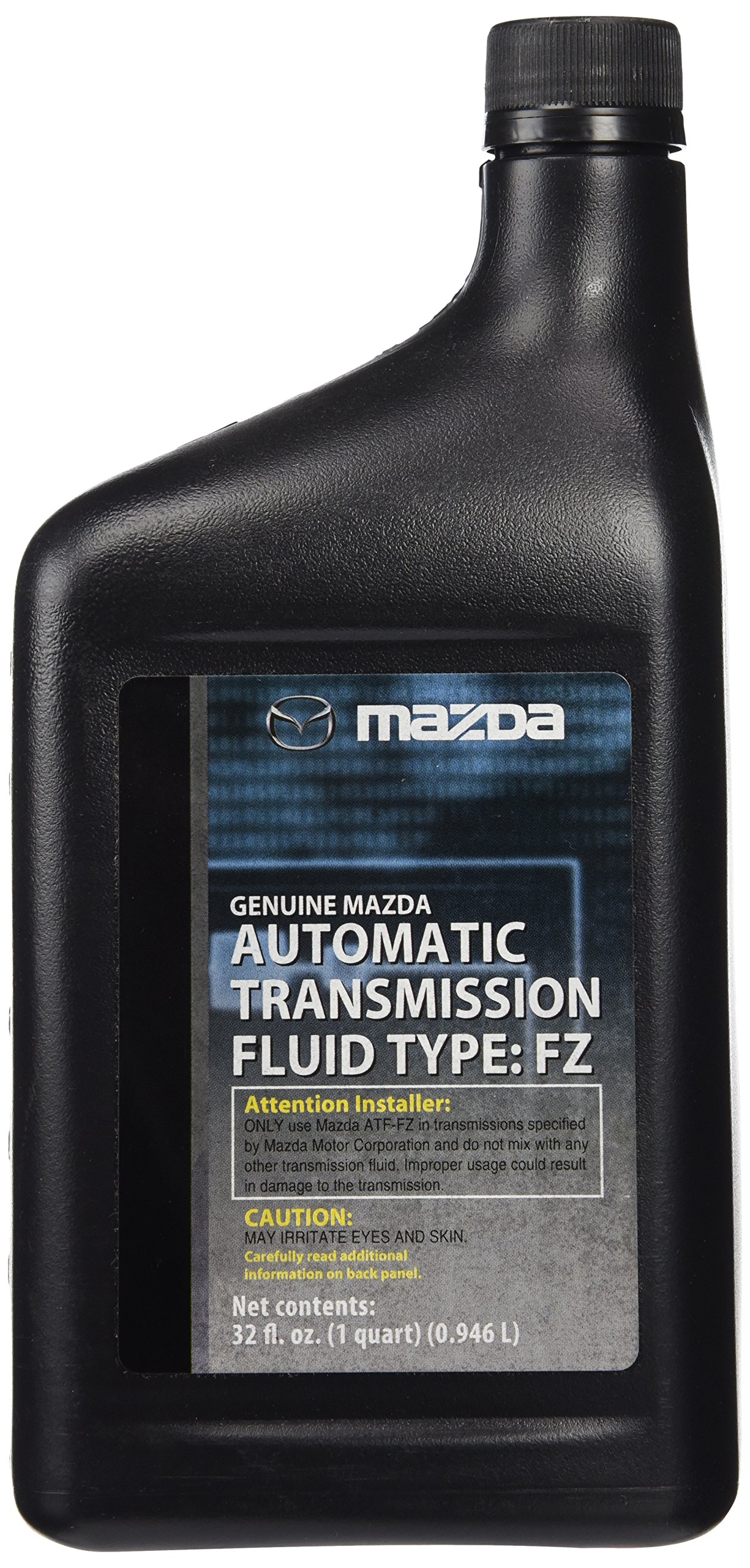
Automatic transmission fluid is one of those parts where the spec sheet matters more than the marketing. Mazda’s OEM fluid, sold under part number 0000-FZ-113E-01 in a 32 fl oz bottle, is the factory-fill fluid for a range of Mazda automatic transmissions, and it is typically bought by people doing a drain-and-fill service at home or by shops that want to match what came in the car. It is not a universal ATF, and treating it like one is the most common mistake buyers make.
The fluid is formulated for Mazda’s automatic gearboxes, and the part number is the one you will find in the service literature for several models and model years. That specificity is the whole point. Modern automatic transmissions are sensitive to friction modifier packages, and the difference between a fluid that meets the manufacturer’s spec and one that merely claims to be “suitable for” it can show up as harsh or soft shifts, or in the worst case, long-term wear. For a DIYer, buying the exact part number removes a layer of guesswork.
In practice, the 32 oz bottle is used for drain-and-fill procedures rather than a full flush. A typical drain-and-fill on a Mazda automatic takes several quarts depending on the model and how much fluid drains out, so a single bottle is rarely enough for a complete service. Most people end up buying a case of six or more. That is worth knowing before you order, because the per-bottle price is not cheap, and buying one bottle at a time is an inefficient way to do the job.
- Factory-specified formulation for Mazda automatic transmissions, which reduces the risk of friction modifier mismatch.
- 32 fl oz (approximately 1 quart) per bottle, sized for topping off or contributing to a multi-quart drain-and-fill.
- Sealed OEM packaging with the part number printed on the label, which helps verify authenticity.
- Compatible with the models and years listed in Mazda’s service information — check your owner’s manual or dealer parts counter before buying.
Where this fluid earns its keep is in routine maintenance on a Mazda that is still under warranty or one where the owner wants to keep the transmission behaving as it did from the factory. The shifts feel like they did before the service, which is exactly what you want. There is no dramatic improvement to report, because a correct fluid change is not supposed to transform the car — it is supposed to preserve it. If your transmission is already slipping or shuddering, no fluid will fix that, and this product should not be expected to.
The main trade-off is cost and availability. OEM fluid typically costs more per quart than a generic multi-vehicle ATF from a parts store, and you usually have to buy it from a dealer or an online OEM parts seller rather than picking it up locally on a Sunday afternoon. For some owners, a reputable aftermarket fluid that explicitly lists the Mazda spec on the bottle is a reasonable alternative and easier to source. The catch is that aftermarket coverage varies, and some “universal” fluids list a long compatibility chart that is broader than any single formulation can truly satisfy. When in doubt, the OEM bottle is the lower-risk choice, even at the higher price.
There is also the question of quantity and waste. Because the bottle is small relative to the job, you will likely have partial bottles left over. Opened ATF has a long shelf life if kept sealed and clean, but it does accumulate, and it is easy to overbuy. Buying a case when you need five quarts means one bottle sits on the shelf for years. That is a minor annoyance rather than a flaw, but it is part of the real cost of doing this service yourself.
Who is this for? Owners of Mazda vehicles whose service information calls for this fluid, especially those doing drain-and-fill maintenance at home and those who prefer to match factory fill. It also suits independent shops that want to avoid comebacks from fluid-related shift complaints. Who is it not for? Owners of other brands, anyone hoping a fluid change will cure an existing transmission fault, and buyers looking for the cheapest possible quart of ATF. If your car specifies a different Mazda fluid or a different part number, this bottle is not a substitute, and the label should be checked against your model year before purchase.
Overall, this is a straightforward OEM consumable that does its job without drama. The specification is the selling point, the price and packaging are the drawbacks, and the right buyer is someone who values matching the factory fill over saving a few dollars per quart. Check the part number against your vehicle’s requirements, buy enough for the full service, and treat it as maintenance rather than a fix.