
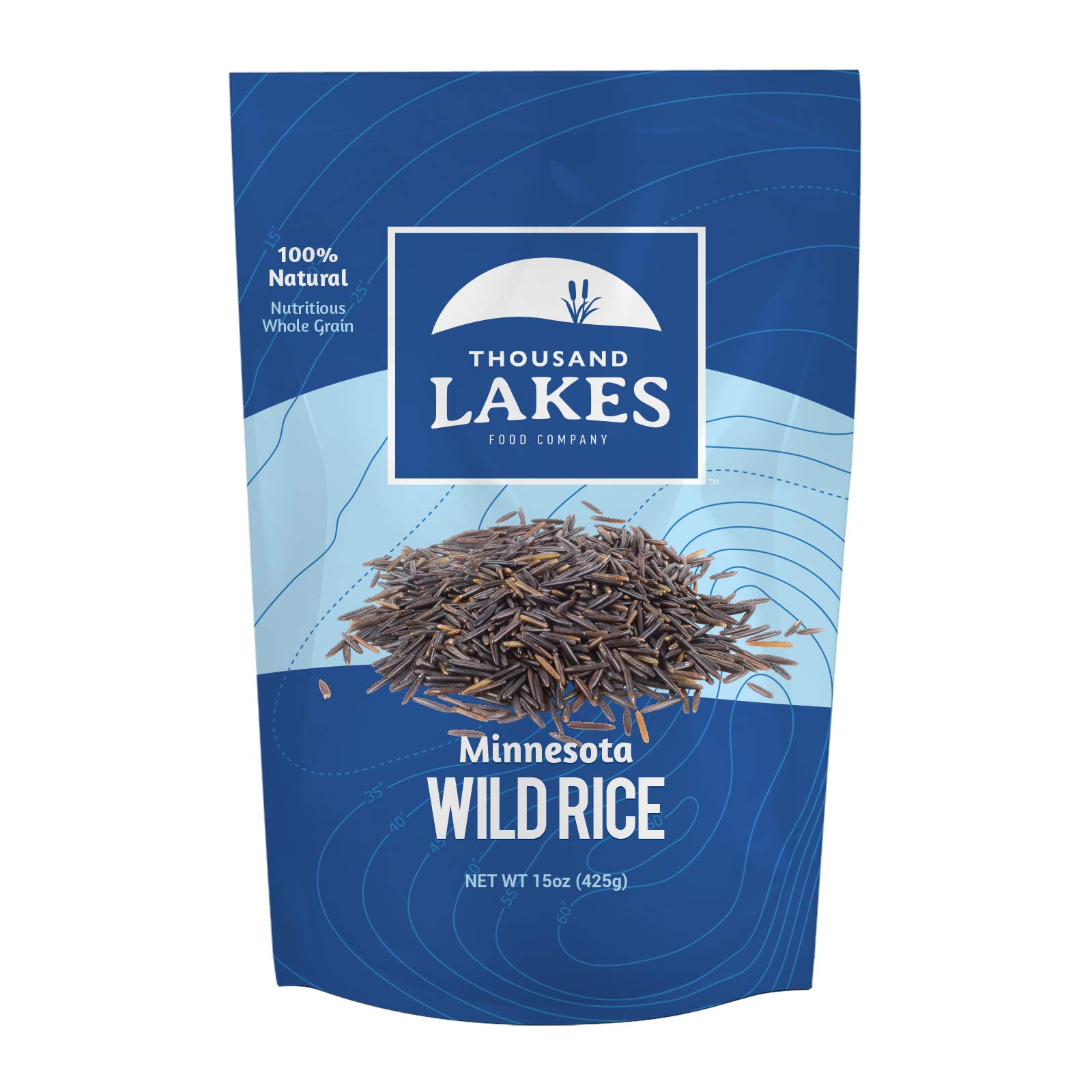
Wild rice is one of those ingredients that gets a lot of attention for its nutty flavor and chewy texture, but the differences between brands can be significant. Thousand Lakes Brand Minnesota Grown Premium Wild Rice comes in a 15-ounce package and is sold as a premium option. This review looks at what you actually get, how it performs in the kitchen, and where it might or might not fit into your pantry.
First, a quick clarification: wild rice isn’t true rice. It’s the grain of an aquatic grass, and Minnesota is one of the few places where it’s cultivated and harvested. Thousand Lakes sources its wild rice from Minnesota, which matters to some buyers who want to support domestic growers or prefer the specific characteristics of locally grown wild rice. The grains are typically longer and darker than the paddy-grown wild rice you might find in some blends, and the flavor tends to be more robust.
In terms of functional features, this is a 15-ounce bag of whole wild rice. That’s roughly 2 cups of dry grain, which yields about 6 to 8 cups cooked, depending on how you cook it. The grains are not pre-cooked or parboiled, so they require a longer cooking time than white rice—usually 45 to 60 minutes of simmering, sometimes longer. It’s a whole grain, so it retains the bran and germ, giving it a chewier texture and more fiber than refined grains. The package doesn’t specify an exact harvest date, but wild rice does have a long shelf life if stored properly in a cool, dark place.
Using it in real life is straightforward but not quick. You can cook it like pasta in a large pot of boiling water, which some people find easier than the absorption method because you can taste for doneness without worrying about burning. It also works well in a rice cooker, though you’ll need to use more water than for white rice—often a 3:1 or 4:1 ratio. The cooked grains hold their shape and have a firm, almost popping texture. They don’t get creamy or soft like arborio or jasmine rice. That makes this wild rice a good fit for salads, stuffings, and soups where you want distinct grains, but less ideal for dishes that rely on a sticky or creamy consistency, like sushi or risotto.
Flavor-wise, it’s earthy and slightly smoky, with a hint of grassiness. It’s not as strong as some hand-harvested wild rice from small producers, but it’s more flavorful than the generic wild rice blends that mix in white or brown rice. The grains are fairly uniform in size, which helps them cook evenly. However, because it’s a natural product, you might find occasional broken grains or a stray piece of husk. It’s not a big deal, but it’s worth a quick rinse and sort before cooking.
One limitation is the price. Minnesota-grown wild rice generally costs more than conventional wild rice from California or Canada, and Thousand Lakes is priced at a premium. For a 15-ounce bag, you might pay two to three times what you’d spend on a similar amount of long-grain white rice. That’s expected for a specialty grain, but it’s something to consider if you’re on a tight budget or plan to use it frequently. Also, the cooking time is long, so it’s not a last-minute option. You can shorten it by soaking the rice overnight, but that requires planning ahead.
Compared to other wild rice options, such as a wild rice blend (which mixes wild rice with brown or long-grain white rice), Thousand Lakes is all wild rice. Blends are cheaper and cook faster, but they dilute the distinctive texture and flavor. If you want the real thing, this is a better choice. Compared to hand-harvested wild rice from small-scale producers, it’s more consistent and widely available, though it may lack some of the deeper, more complex flavor that comes from traditional processing methods. It’s a middle ground: better than most commodity wild rice, but not quite the artisanal product.
Who is this for? It’s suitable for home cooks who already enjoy whole grains and are willing to spend a bit more for domestic, Minnesota-grown wild rice. It’s also a good option for holiday dishes like wild rice stuffing or pilaf, where the nutty flavor stands out. If you’re new to wild rice, this is a solid introduction, though you might want to try a smaller amount first to see if you like the texture. It’s not for anyone looking for a quick-cooking grain or a cheap everyday rice substitute. It’s also not ideal for people who prefer soft, sticky rice in their meals. And if you’re cooking for someone who dislikes chewy grains, this won’t win them over.
In summary, Thousand Lakes Brand Minnesota Grown Premium Wild Rice is a quality product that delivers authentic wild rice characteristics. It’s not without drawbacks—the price and long cooking time are real considerations—but for those who value its origin and texture, it’s a reasonable choice. Just don’t expect it to behave like ordinary rice.