
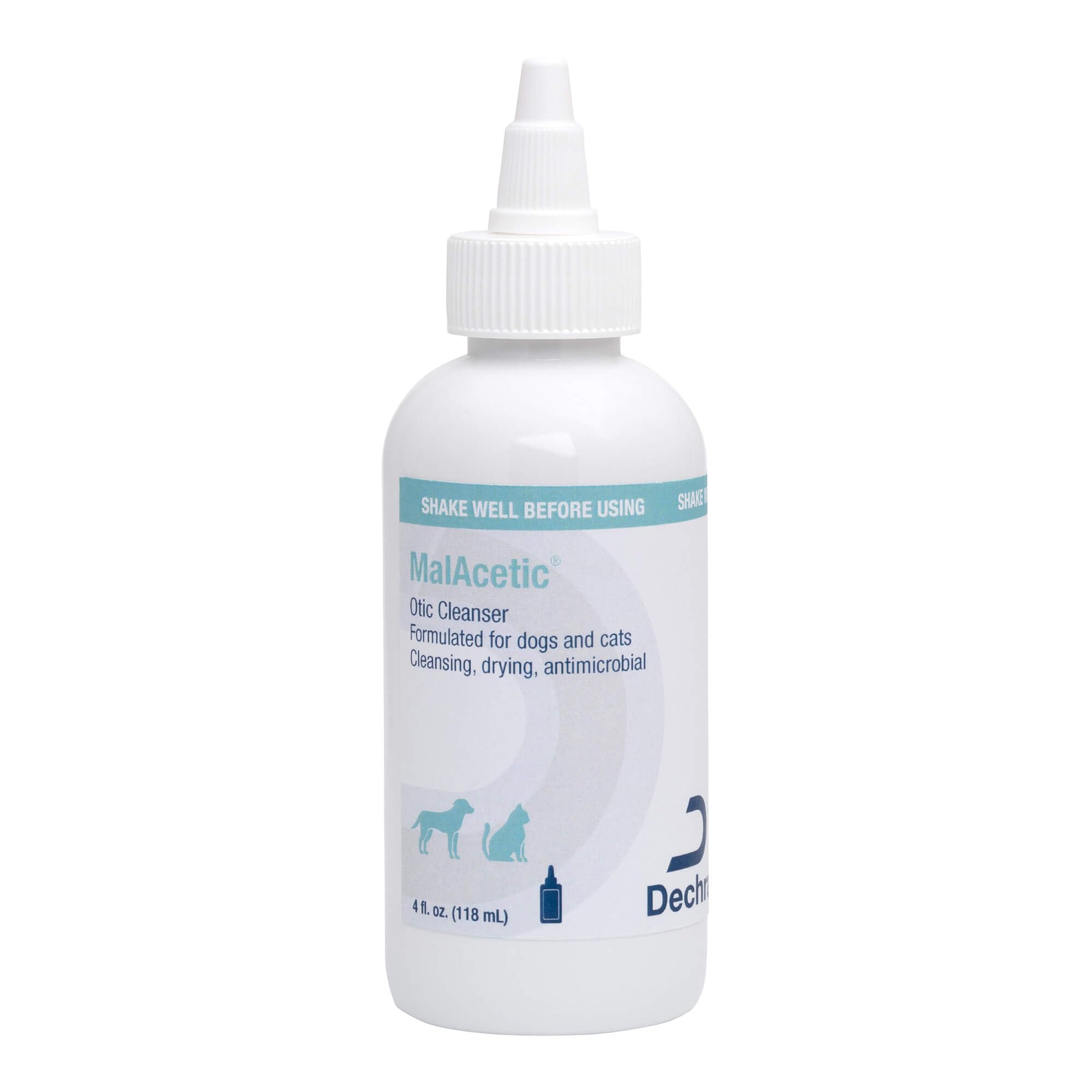
Managing ear infections in pets often involves a multi-pronged approach: veterinary diagnosis, prescription medication, and consistent home care. MalAcetic Otic Cleanser, a 4-ounce solution from Dechra, is one of several over-the-counter ear cleaners designed to assist in that process. It combines acetic acid and boric acid—two agents with known antimicrobial properties—in a liquid formula meant for flushing and cleaning the ear canal. This review examines its practical use, features, and limitations based on publicly available information and typical veterinary guidance.
What It Is and How It’s Used
MalAcetic Otic is a cleansing solution, not a medication. It’s intended for regular ear hygiene or as an adjunct to veterinary treatment for minor bacterial or yeast infections. The typical application involves squeezing the solution into the ear canal, massaging the base of the ear to distribute it, and then allowing the pet to shake its head to expel excess liquid and debris. A cotton ball can be used to wipe away loosened dirt. For pets with active infections, veterinarians often recommend using it before applying prescribed ear drops, as it clears the canal and allows the medication to work more effectively.
Key Functional Features
- Active ingredients: Acetic acid (2%) and boric acid (2.5%) create an acidic environment that inhibits the growth of bacteria and yeast, including common culprits like Staphylococcus and Malassezia.
- Cleansing action: The solution helps break down earwax and debris, which can be particularly useful for pets with excessive wax production or those prone to infections.
- Format: The 4-ounce bottle is a standard size for trial or short-term use. It has a nozzle tip for easy application, though some users may find the bottle requires a firm squeeze.
- Compatibility: Labeled for both dogs and cats, it’s a convenient option for multi-pet households.
Real-World Performance and Limitations
In practice, MalAcetic Otic can be effective for routine maintenance and mild cases. Pet owners often report that it helps reduce odor and discharge when used as directed. However, it’s not a cure-all. For moderate to severe infections, it should not replace veterinary-prescribed antibiotics or antifungals. The acidic nature can also cause irritation in some pets, especially if the ear is already inflamed or if the eardrum is ruptured. It’s crucial to have a veterinarian examine the ear before using any cleanser, as applying it to a ruptured eardrum can lead to serious complications.
Another limitation is the 4-ounce size. For large dogs or pets requiring frequent cleaning, this bottle may not last long, making larger sizes more economical. Additionally, the smell—a mix of vinegar and medicinal notes—can be off-putting to some owners, though it dissipates.
Comparison to Alternatives
MalAcetic Otic falls into the category of acidifying ear cleansers. Other options include enzymatic cleaners (which use enzymes to break down debris) and medicated cleansers containing antibiotics or antifungals. Enzymatic cleaners like Veterycin or Zymox are gentler and may be better for sensitive ears, while medicated cleansers are typically prescription-only and target specific pathogens. MalAcetic’s advantage is its dual-action approach: it cleans and provides some antimicrobial action without a prescription. However, it may be less effective for severe infections compared to prescription products.
Who It’s For—and Who It’s Not
This product is suitable for pet owners looking for a maintenance cleanser for pets with a history of mild ear issues, or as a supportive measure during veterinary treatment. It’s also a reasonable choice for dogs that swim frequently or have allergies that predispose them to ear problems. On the other hand, it’s not ideal for pets with known sensitivities to acetic or boric acid, those with ruptured eardrums, or those with severe infections that require immediate veterinary intervention. It’s also not a substitute for proper diagnosis and treatment.
Final Thoughts
MalAcetic Otic Cleanser is a practical tool in the arsenal of ear care, but it’s not a miracle solution. Its effectiveness depends on correct usage and appropriate timing. For pet owners dealing with chronic ear issues, it can be a helpful part of a broader management plan. However, it’s essential to consult a veterinarian before starting any new ear care regimen, especially if the pet is in discomfort. The 4-ounce size is a good starting point, but frequent users may want to consider larger formats. Overall, it’s a solid, no-frills option that does what it claims—when used correctly and in the right context.