
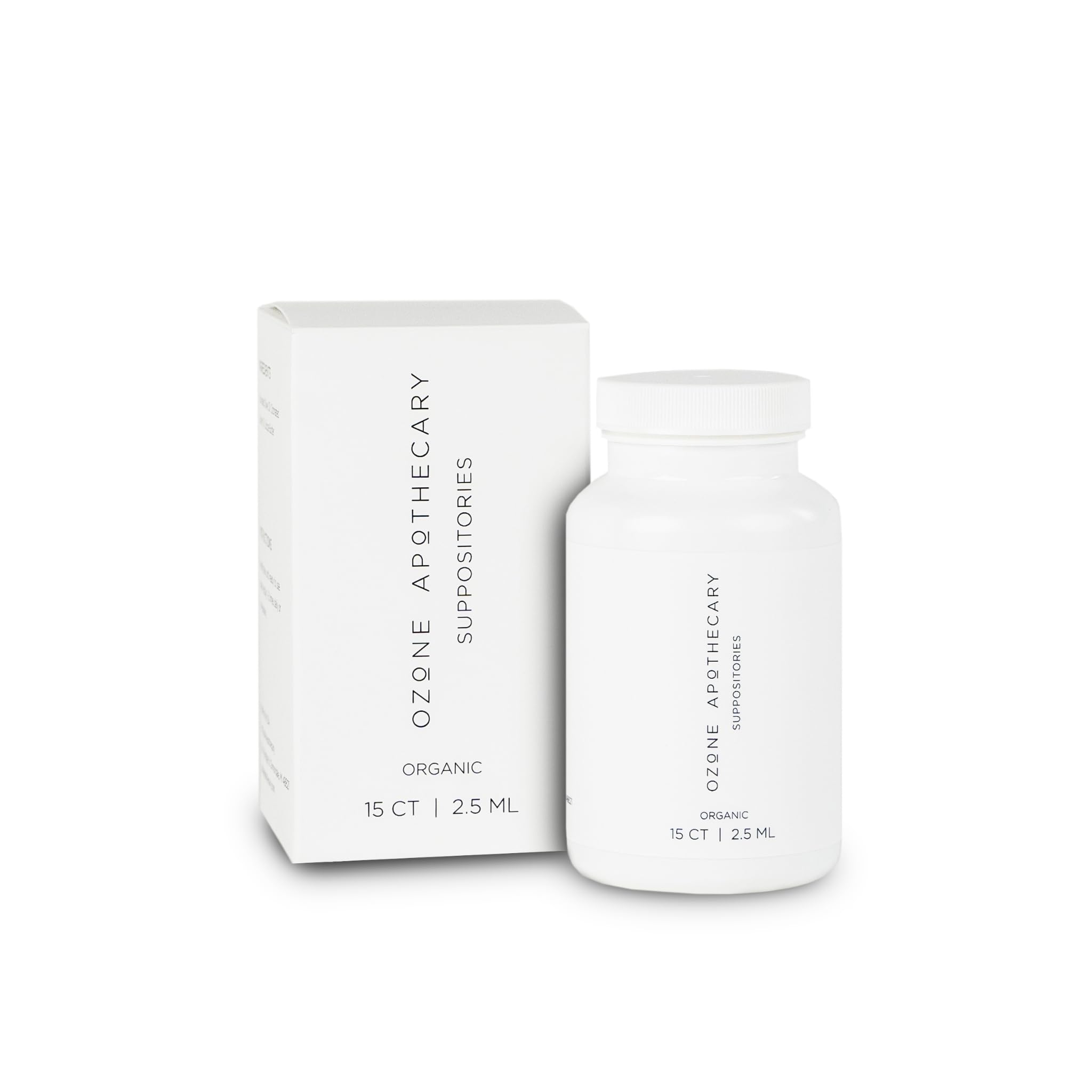
Ozone therapy has a long, somewhat underground history in alternative medicine, and for those who are curious about it, the delivery method often becomes the sticking point. Ozone Apothecary’s suppositories offer a way to administer ozonated olive oil rectally, which is one of the more common routes for this kind of treatment. The idea is straightforward: the oil, infused with ozone, is introduced into the rectum, where it can interact with the surrounding tissue and potentially offer local benefits like cleansing, soothing, and protecting the area.
In practice, using these is a bit more involved than a typical supplement. The suppositories are solid at room temperature but melt at body heat. You need to be comfortable with the process—usually, you’d insert one after a bowel movement, ideally at bedtime, and let it melt and be absorbed overnight. Some people use a light pad or underwear to catch any leakage, which is a practical consideration that the product page doesn’t dwell on. The ozonated olive oil has a distinct, slightly acrid smell that is characteristic of ozone, and that can be off-putting for some. It’s not a discreet or quick process; it requires planning and a willingness to follow a protocol, often every other day for a few weeks, depending on the goal.
From a functional standpoint, the suppositories are made from a base of cold-pressed olive oil that has been ozonated. The ozone is the active agent, and it’s what gives the oil its reported antimicrobial and oxygenating properties. The product is marketed for both people and pets, which is a niche but interesting angle. The suppositories are individually wrapped, which helps maintain the ozone’s potency, and they’re meant to be kept refrigerated to extend their shelf life. There’s no real way for a consumer to verify the ozone concentration, so you’re relying on the company’s quality control, which is a common issue with ozone products in general.
One of the most significant limitations is the lack of robust clinical evidence. While there are anecdotal reports and some preliminary studies on ozone therapy, the rectal route specifically is not well-studied in mainstream medicine. This makes it a gamble if you’re expecting a guaranteed therapeutic outcome. It’s also not a comfortable or convenient routine for everyone. The process can be messy, requires a certain level of physical comfort with the insertion, and the potential for leakage is a real annoyance. Compared to oral supplements or even topical creams, this is a more invasive and logistically challenging option.
When you look at alternatives, the closest comparison is probably to other forms of rectal administration, like enemas or suppositories with herbal ingredients (e.g., black seed oil, aloe vera). Those are often cheaper and easier to find. They might not have the ozone component, but they also don’t carry the same uncertainty about potency or the need for refrigeration. Another alternative is to stick with oral ozonated oils, which are simpler to use, though they don’t deliver the ozone to the lower bowel in the same way. The choice really comes down to whether you believe in the specific benefits of ozone and are willing to tolerate the inconvenience.
So, who is this for? It’s likely most suitable for individuals who are already familiar with ozone therapy and are looking for a rectal option, perhaps as part of a broader detox or gut health protocol. It might also appeal to pet owners who are comfortable with alternative treatments for their animals. On the other hand, it’s not for someone who is new to alternative medicine, has a sensitive stomach or bowel, is pregnant, or is looking for a quick and easy solution. If you’re not comfortable with the idea of inserting a suppository, this product will not change your mind. It’s also not a substitute for conventional medical care; if you have a serious condition, you should be consulting a doctor, not a suppository.
In terms of performance, users report a range of experiences. Some find it helpful for supporting bowel regularity and a feeling of cleanliness, while others notice little to no effect. The key is to go in with realistic expectations. It’s not a miracle cure, and it’s not something that will produce overnight results. It’s a niche product that requires a commitment to a routine and a tolerance for the process. If that sounds like you, it might be worth a try. If not, there are simpler ways to support your gut health.