
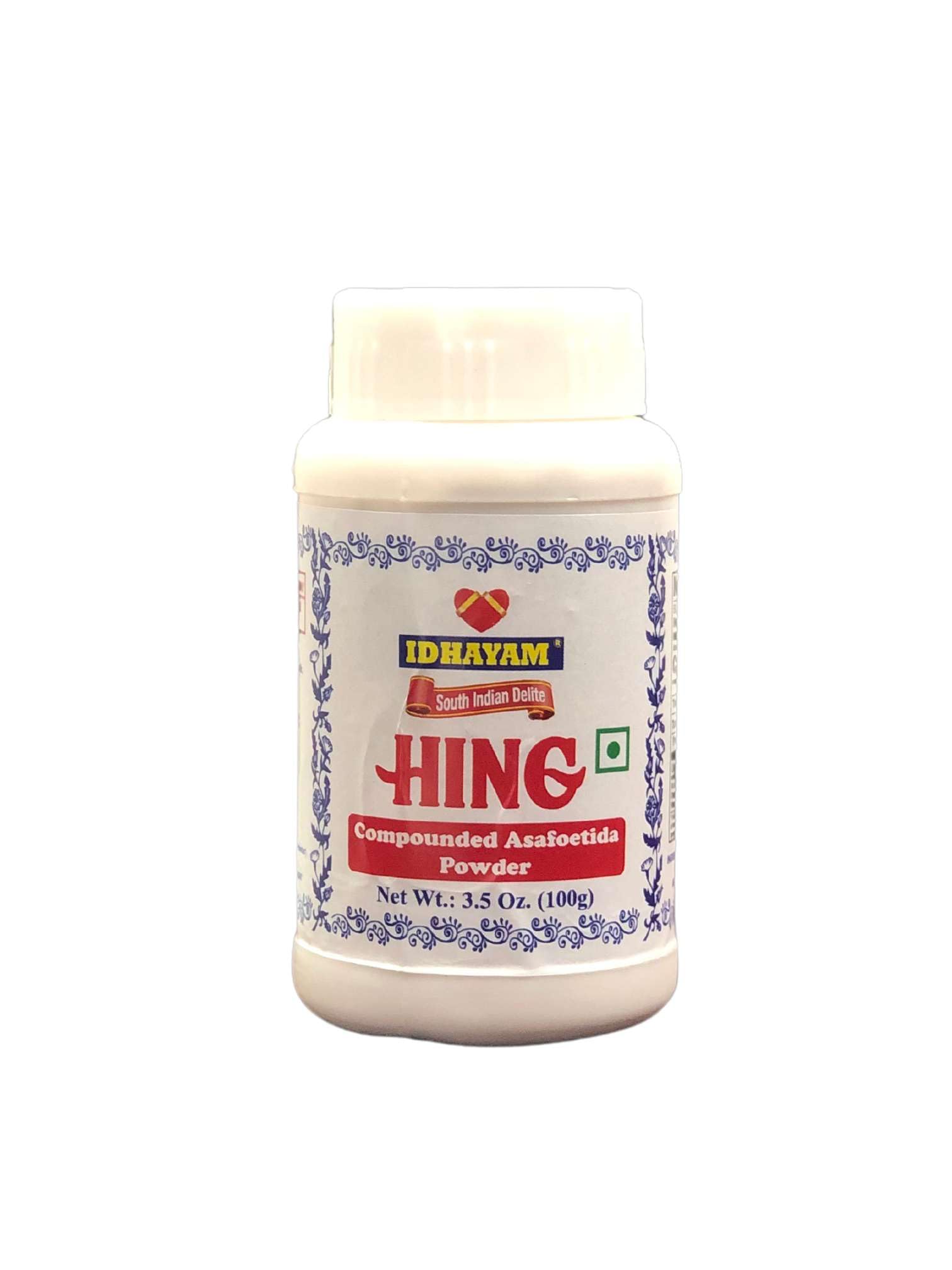
Asafoetida, or hing, is one of those ingredients that quietly holds together a lot of Indian cooking. It’s not the star of the dish, but skip it in a dal tadka or a simple potato curry and you’ll notice something missing. The Idhayam brand has been around for decades and is often the default choice in many households. This 100g jar is a decent-sized purchase, especially if you cook with hing regularly. But how does it actually perform in the kitchen? Let’s break it down.
First, a quick note on the format. This is the solid resin form, not the ground powder that’s often mixed with wheat flour or rice flour. That’s an important distinction. The resin comes in small, sticky chunks that range from dark brown to amber. You need to crush or grind it before use, or simply drop a tiny piece into hot oil or ghee during tempering. The aroma is potent, almost pungent when the jar is opened, but that intensity mellows into a pleasant, onion-like fragrance once it hits the heat.
In practice, the Idhayam hing works well for tadka. A small pinch—really, less than a quarter teaspoon—is enough for a large pot of dal or sambar. The flavor disperses evenly, and it doesn’t leave any bitter aftertaste, which can happen with lower-quality asafoetida if you overdo it. It also dissolves reasonably well in oil, though you’ll notice tiny bits of resin that might stick to the pan. That’s not a defect, just the nature of the product. If you prefer a smoother finish, you can grind it into a powder beforehand.
One of the key functional features here is the purity. Idhayam markets this as pure resin without any artificial additives or fillers. While it’s hard to verify that without lab testing, the smell and taste do suggest a cleaner product compared to some generic supermarket brands that are heavily diluted with starch. The jar also has a tight-sealing lid, which matters because hing loses its potency quickly when exposed to air. Stored properly in a cool, dry place, this 100g pack can last several months, even with daily use.
However, there are a few trade-offs to consider. The resin form is less convenient than pre-ground hing. If you’re used to shaking a powder directly into your pan, the need to break off a piece and crush it might feel like an extra step. Also, because it’s so concentrated, it’s easy to overestimate the amount needed, especially if you’re new to cooking with hing. A mistake here can make your dish bitter and overpowering. Another minor issue is the packaging—while the jar is practical, the wide mouth makes it easy to accidentally spill the sticky pieces, and they can harden over time if you don’t seal it properly.
Compared to generic asafoetida powders available in most grocery stores, this Idhayam product is noticeably stronger and more aromatic. Those powders often contain a large percentage of wheat flour, which means you need to use more to get the same effect. The Idhayam resin, on the other hand, is more cost-effective in the long run because a little goes a long way. That said, if you’re someone who only uses hing occasionally, a smaller pack might be a better option, as the resin can lose its edge after a year or so.
Who is this for? If you cook Indian food regularly—dals, curries, stir-fried vegetables, or even some pickles—and you want a reliable, authentic hing that delivers consistent results, this is a solid choice. It’s also suitable for those who prefer to control the quantity and grind their own spices. But if you’re a beginner who just wants a quick sprinkle without fuss, or if you rarely use hing, you might be better off with a small bottle of ground asafoetida. Also, note that hing is not a substitute for garlic or onion in terms of flavor, though it does offer a similar savory depth for those who avoid alliums.
In terms of performance, the Idhayam asafoetida does what it promises. It imparts that characteristic earthy, slightly sulfurous note that defines a proper tadka. It’s not a magical ingredient that will transform a bland dish into a gourmet meal, but it will make your cooking taste more authentic and layered. The texture and aroma are consistent throughout the jar, and I didn’t notice any significant loss of potency over a few weeks of regular use.
One thing to keep in mind is that asafoetida is often used as a digestive aid in Indian cuisine, and this brand is no different. While I’m not a medical professional, many users report that it helps with bloating and digestion when added to lentil dishes. That’s a nice bonus, but it shouldn’t be the primary reason to buy it.
To sum up, the Idhayam Asafoetida 100g jar is a practical, high-quality option for everyday cooking. It’s not flashy or exotic, but it gets the job done reliably. The main drawbacks are the slightly inconvenient resin format and the need for careful storage. If those aren’t deal-breakers, this is a worthy addition to your spice rack.