
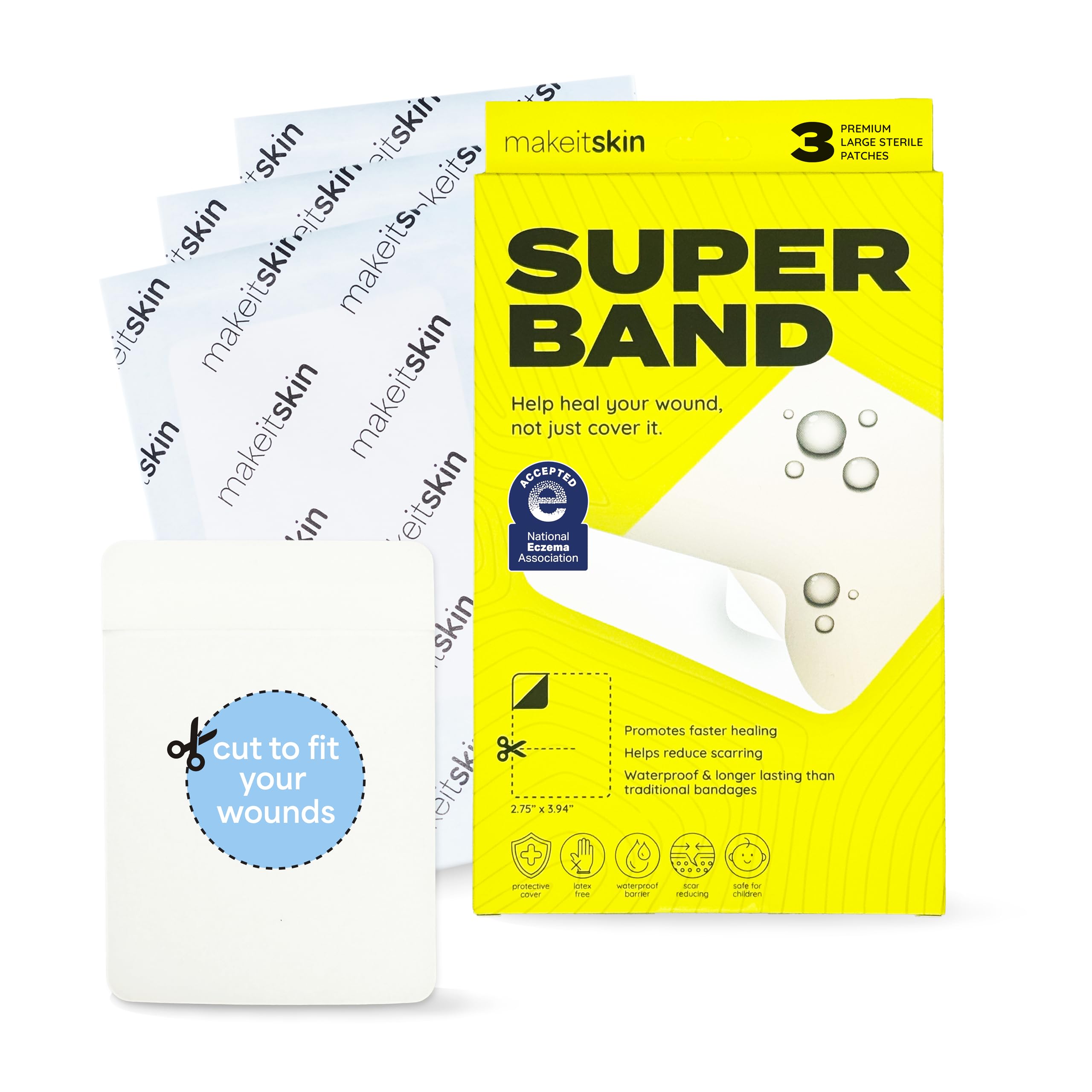
Hydrocolloid bandages have become a staple in many medicine cabinets, and the SUPERBAND version is often the one sitting on the shelf next to the generic gauze. I’ve used these on everything from popped blisters to minor burns, and they do a decent job, but they’re not without quirks.
The core appeal is the gel-forming layer. When you stick one on a clean, dry wound, the hydrocolloid absorbs exudate and swells into a soft gel. That gel keeps the wound moist, which is a known factor in faster healing and less scarring. For blisters, especially on the heel or toe, this is a game-changer. The cushioning effect is real; you can walk on a blister with one of these and forget it’s there. I’ve also used them on small abrasions and a minor kitchen burn, and they stayed put for two to three days without peeling, even with daily showers.
Waterproof is a strong word, and here’s where you should adjust expectations. The adhesive is quite tenacious, and the edges don’t curl easily. I’ve worn one while washing dishes and taking quick showers, and it held. But if you’re planning a long bath or a swim, you’ll see the edges start to lift. The bandage isn’t a watertight seal; it’s more like a very resistant sticker. After a 20-minute soak, I noticed the edges were slightly white and less sticky, though the center stayed intact. For everyday life, that’s fine. For heavy water exposure, you’ll need to change it sooner.
The bandages come in a few sizes, and the larger ones are handy for bigger scrapes. The material is thin and flexible, so it moves with your skin, which is a plus on joints like knuckles or elbows. It’s not as thick as some premium brands, but that also means it’s less bulky under socks or shoes. The beige color is unobtrusive, though not invisible—on darker skin tones, it can be noticeable, but that’s a minor aesthetic issue.
One limitation is the peel-off process. Because the adhesive is strong, removing the bandage can pull at the surrounding skin, especially if you leave it on for the recommended 3–5 days. I found that soaking it in warm water for a few minutes helps, but it’s still not a painless removal. Also, the gel can leave a residue on the wound bed, which looks like a yellowish film. That’s normal, but it can be alarming if you don’t expect it. You have to rinse it gently, and it’s not a sign of infection.
Compared to traditional adhesive bandages, these are a significant upgrade for wound healing. A standard bandage dries the wound out, which can slow healing and make the dressing stick to the scab. Hydrocolloids avoid that. But they’re also more expensive, and you can’t just slap one on any wound. They work best on shallow, oozing wounds. On deep cuts or wounds that are already dry, they’re less effective—the gel needs moisture to activate, so on a dry scrape, it might just sit there without forming a proper cushion.
Who should use these? If you’re prone to blisters from new shoes or you have a minor burn that’s weeping, these are a solid choice. They’re also good for people who want a low-maintenance dressing that doesn’t require daily changes. But if you have a deep laceration that needs stitches, or you’re dealing with an infected wound, see a doctor instead. These bandages are not a substitute for medical treatment.
On the flip side, they’re not for everyone. If you have sensitive skin, the adhesive might cause irritation. I tested one on my forearm and had slight redness after removal, though it faded quickly. Also, if you’re on a budget, the cost adds up—a box of five or six can be three times the price of a box of standard bandages. For everyday paper cuts, a regular bandage is fine. Save the hydrocolloids for situations where they matter.
In practice, the SUPERBAND hydrocolloid bandages are a reliable middle-ground option. They’re not the most advanced or the most durable, but they do what they’re supposed to do for most minor wounds. The key is to use them correctly: clean the wound, dry the surrounding skin, and apply with a bit of pressure. Don’t expect miracles—they won’t heal a wound faster than your body would on its own, but they create an environment that helps. And they’ll save you from that painful moment when a regular bandage rips off a fresh scab.
If you’ve never tried hydrocolloids, these are a reasonable starting point. Just know that you might need to experiment with wear time and removal technique. And if you’re comparing them to a brand like Band-Aid Hydro Seal, the SUPERBAND version is slightly thinner and less cushioned, but it’s also a bit cheaper. For the price, you get a functional product that does the job without fuss.