
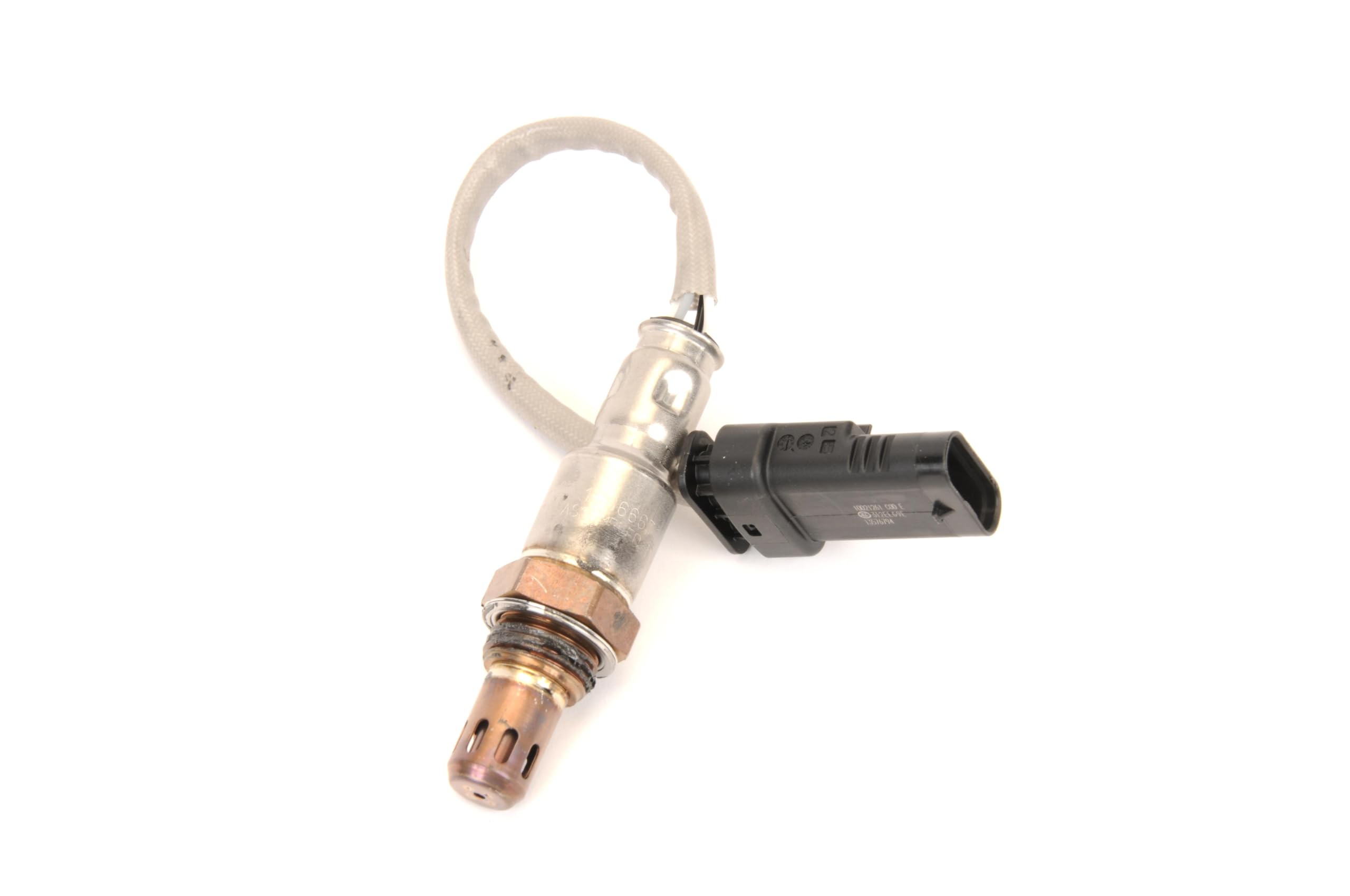
Oxygen sensors are one of those components that rarely get attention until the check engine light ruins your commute. When that happens, you’re faced with a choice: pay a shop to swap in a part you’ve never heard of, or grab one yourself and spend an afternoon under the car. The GM Genuine Parts 12666671 heated oxygen sensor sits firmly in the second camp, and it’s aimed at drivers who want an exact factory replacement without the dealership markup.
This sensor is a direct OEM part, meaning it’s built to the same specifications as the unit that came off the assembly line. For GM vehicles—particularly certain Chevrolet and GMC models with 2.4L or 3.6L engines—that’s a strong selling point. The housing, wiring, and connector all match the original, so installation is straightforward if you have basic hand tools and a jack. The heated element is the key feature here: it brings the sensor up to operating temperature quickly, which helps the engine computer get accurate readings sooner after a cold start. That translates to better fuel trims and fewer emissions hiccups in the first few minutes of driving.
In real-world use, this sensor does what it’s supposed to do. Once installed, the check engine light typically clears after a few drive cycles, and idle quality improves if the old unit was sluggish. The response time is consistent, and the signal stays stable even in stop-and-go traffic. For a part that’s essentially a consumable, that’s about all you can ask for.
But there are a few things worth noting before you click buy. First, compatibility is not universal. The 12666671 part number is specific to a range of GM models, and even within those, there are variations—some vehicles use a different connector or have a different number of wires. Double-check your VIN against the fitment list, because returning an oxygen sensor is a hassle, and the wrong part won’t plug in without modification.
Second, the price. OEM sensors cost more than aftermarket alternatives. You’re paying for the guarantee of exact fit and factory calibration, but if you’re on a tight budget, a quality aftermarket sensor from brands like Bosch or Denso can work just as well for less money. The trade-off is that aftermarket parts sometimes have slightly different connector angles or wire lengths, which can make installation a bit more fiddly. For most DIYers, that’s a minor annoyance, but for someone who wants zero fuss, the OEM part is the safer bet.
Another limitation is that this sensor doesn’t come with any installation hardware. You’ll need to reuse your old mounting bracket or buy a new one separately, and if the threads are corroded, you might need a thread chaser. Also, the sensor is not designed to be cleaned—once it’s contaminated by oil, coolant, or just age, replacement is the only option. That’s true of all oxygen sensors, but it’s worth remembering that this is a wear item, not a lifetime part.
Compared to universal replacement sensors, which require you to splice wires and sometimes adapt the connector, the GM Genuine part is a clear win for convenience. No cutting, no crimping, no guesswork. You unplug the old one, thread in the new one, and you’re done. But if you’re comfortable with basic wiring, a universal sensor can save you a significant amount of money, and the performance difference is negligible in most cases.
So who is this sensor for? It’s ideal for GM owners who want a plug-and-play replacement and don’t mind spending a bit more for peace of mind. It’s also a good choice if you’re planning to keep the car for several years and want to avoid potential issues with cheaper parts. On the other hand, if you drive a vehicle that’s not on the fitment list, or if you’re just looking for the cheapest way to pass an emissions test, you might be better served by an aftermarket option. And if you’re not comfortable working under the car, the labor cost at a shop will likely outweigh the savings of buying the part yourself.
In the end, the GM Genuine Parts 12666671 is a solid, no-nonsense component. It doesn’t offer any performance gains or flashy features—it’s just a well-made sensor that does its job. That’s exactly what you want from a replacement part, but it’s also why it’s hard to get excited about it. If you need it, it’ll serve you well. If you don’t, there’s nothing here to lure you in.